

Published Sep 25, 2026 | 9:15 AM ⚊ Updated Sep 25, 2026 | 11:45 AM

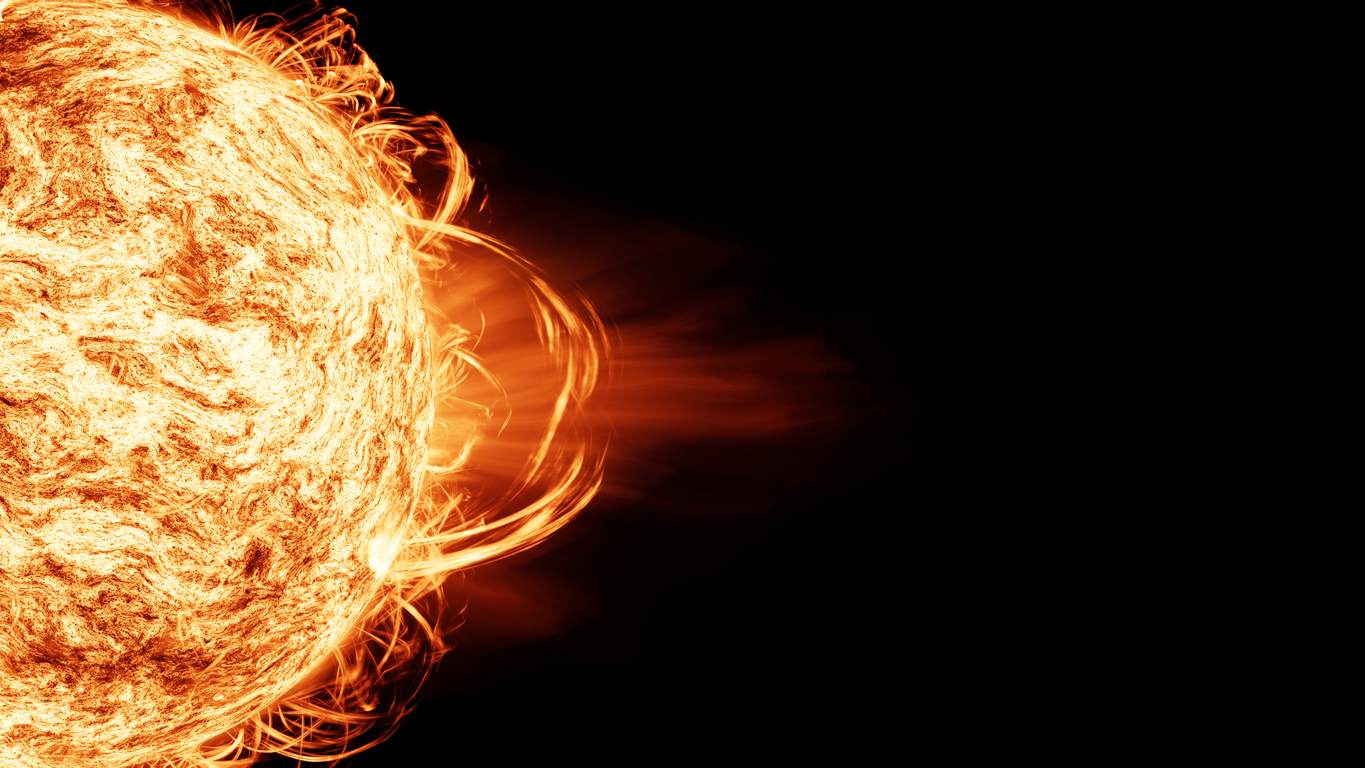
The Carrington Event remains the most powerful geomagnetic storm in recorded history.

Synopsis: Researchers from the University of Kerala have uncovered 1859 magnetic records from the Trivandrum Observatory that offer a rare equatorial view of the powerful geomagnetic storms known as the Carrington Event. The records show that a major storm struck on 29 August, days before the better-known 2 September event, suggesting that the 1859 sequence was more complex than previously understood.
Some 167 years ago, between 28 August and 3 September 1859, a significant part of the nearly 200,000 km of telegraph lines in operation around the world at the time stopped working for hours. Sparks from some even triggered fires.
Auroras, normally seen at high northern and southern latitudes, appeared unusually far from the poles. Reports came from places including Rome, Havana and Hawaii. Similar disturbances were recorded in the Southern Hemisphere.
Then, on 1 September, British astronomer Richard Carrington was observing a large group of sunspots from his private observatory.
At about 11.18 am, he saw two intensely bright patches suddenly appear over the sunspots. The flashes grew rapidly, taking on a distinctive shape before fading within minutes. Carrington later described how he rushed to summon another person to witness what he was seeing. By the time he returned, less than a minute later, the brilliant patches had already weakened considerably.
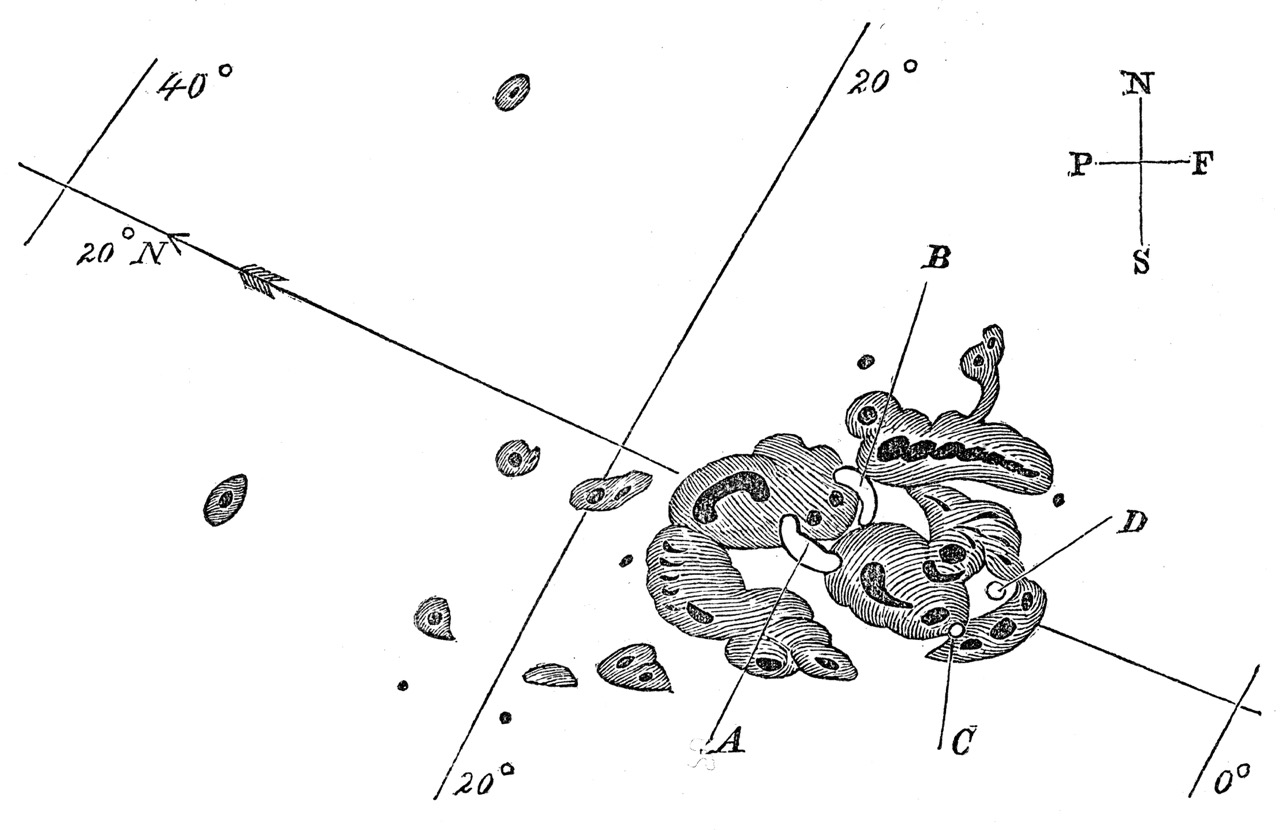
Sunspots of 1 September 1859, as sketched by Richard Carrington.
Unknown to Carrington at the time, he had witnessed a powerful solar flare. The eruption, now known as the Carrington Event, was followed by a major disturbance in Earth’s magnetic field and struck between 28 August and 3 September 1859. It remains the most powerful geomagnetic storm in recorded history.
Ground-based magnetometers also recorded sudden changes caused by the enhanced ionisation of the upper atmosphere.
More than a century and a half later, a group of researchers from the University of Kerala has unearthed long-forgotten records from the Trivandrum Observatory that could provide evidence from a part of the world that has received less attention in accounts of the Carrington Event.
The records could help researchers reconstruct what the 1859 storm looked like from the Indian subcontinent and, in turn, change our understanding of the event itself.
Also Read: Keralam targets 100% renewable power by 2040, carbon neutrality two decades ahead of India target
Established in 1836 by Swathi Thirunal, the Maharaja of the erstwhile Travancore, the Trivandrum Observatory was set up as an astronomical centre.
A team led by Jayakrishnan R, Professor and Head of the Department of Physics at the University of Kerala, has traced and analysed historical records from the observatory preserved in the National Library of Scotland. The records were made using a bifilar magnetometer, an instrument used to measure changes in the Earth’s magnetic field.
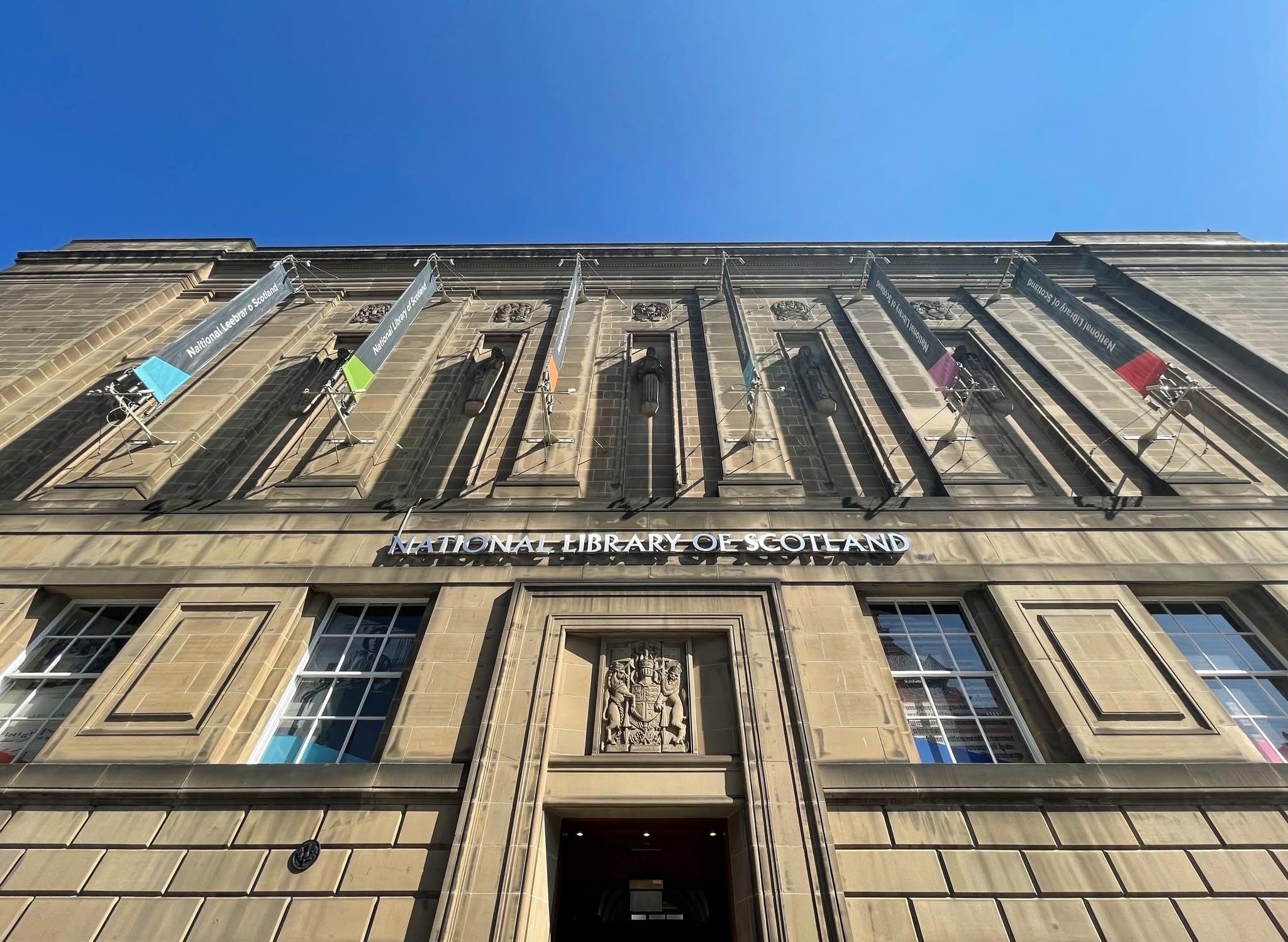
National Library of Scotland
The location of the Trivandrum Observatory makes these records particularly valuable. Trivandrum was south of the magnetic equator and was among the observatories closest to it at the time. Its records therefore provide an equatorial perspective on an extreme space-weather event.
The observations include regular hourly measurements of magnetic declination, with measurements taken more frequently when the magnetic field was disturbed. The records also show a clear disruption in the normal daily pattern of the horizontal magnetic field during the August-September sequence.
These measurements can help researchers reconstruct the intensity, timing and progression of the 1859 storms, including their onset, peak and recovery phases. They can also help model how successive coronal mass ejection (CME) impacts interacted with the Earth’s magnetosphere.
Also Read: Sun, salt, stress and sickness: Keralam to launch major study into the health of coastal communities
The Trivandrum records show geomagnetic disturbances on 16 August, 29 August, 2 September, 5 September, 13 September and 15 September. The researchers believe these signatures correspond to a series of coronal mass ejection (CME) impacts and subsequent disturbances in the solar wind.
The 29 August event is particularly important because earlier accounts of the 1859 storm sequence have focused heavily on the 2 September superstorm.
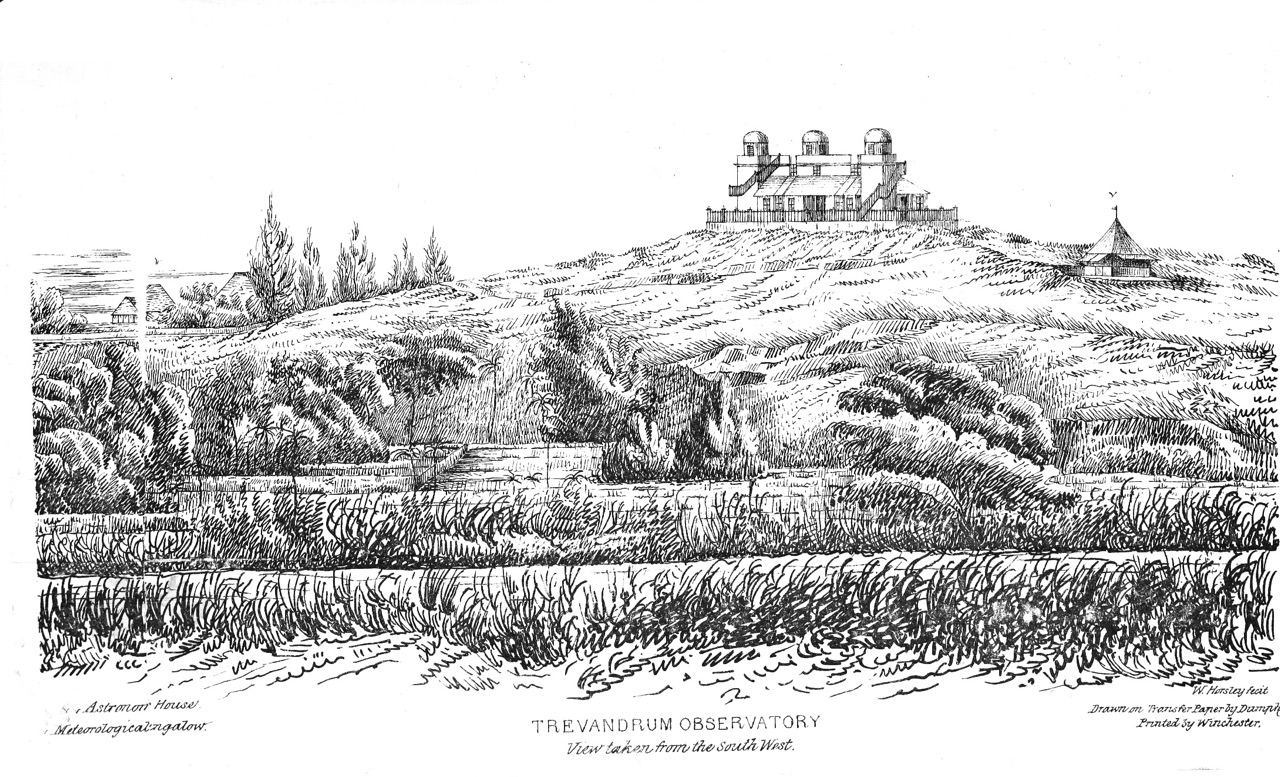
Established in 1836 by Swathi Thirunal, the Maharaja of the erstwhile Travancore, the Trivandrum Observatory was set up as an astronomical centre.
The new data show that another major storm had struck the magnetosphere just days earlier. That disturbance may have altered the state of the magnetosphere before the Carrington event.
Records from other observatories support this interpretation. Observations from Colaba in present-day Mumbai, as well as from Greenwich and Kew, also show significant magnetic disturbances on 29 August. This indicates that the event recorded at Trivandrum was not a local anomaly but part of a wider geomagnetic storm.
For the University of Kerala team, records reveal a more complex sequence of geomagnetic storms around the 2 September event. This allows scientists to examine how an earlier major disturbance may have preconditioned the magnetosphere before the main storm.
When compared with observations from other historical observatories, the Trivandrum data can improve the reconstruction of one of the most extreme space-weather episodes ever recorded.
(Edited by Dese Gowda)



