

Published Sep 23, 2026 | 5:30 PM ⚊ Updated Sep 23, 2026 | 5:30 PM

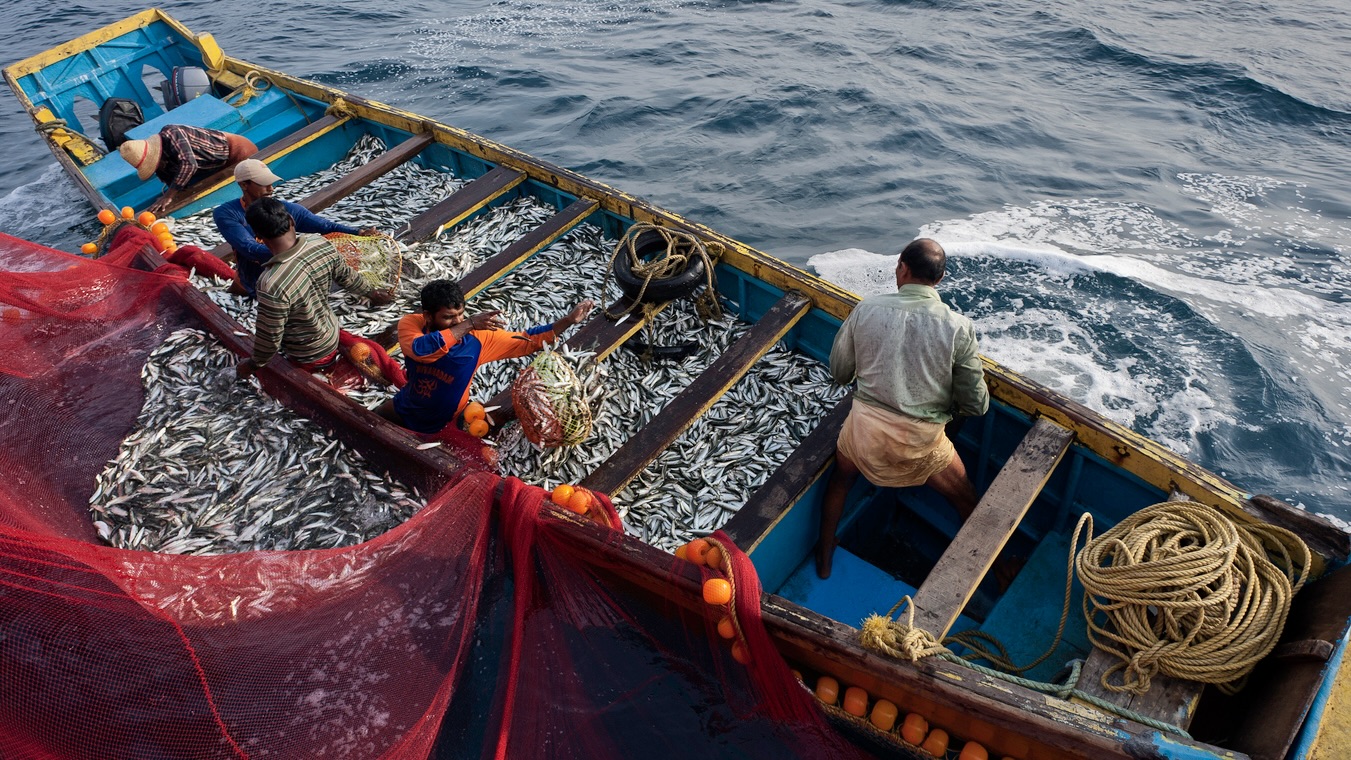
Fishermen load a catch of sardine onto a boat off the coast of Kannur, Kerala (iStock)

Synopsis: Keralam is set to conduct a comprehensive health assessment of its coastal communities, covering issues ranging from occupational injuries and non-communicable diseases to the health impacts of climate change and coastal erosion. The study is also expected to examine gaps in healthcare infrastructure and access to critical care, with fisherfolk representatives stressing that it must lead to practical changes on the ground rather than remain another report.
From the occupational hazards faced by fishermen to growing concerns over mental health, drinking water, pollution and disaster preparedness, Keralam is set to undertake a comprehensive assessment of the health burden in its coastal communities.
The state government has constituted an expert committee to study health issues among coastal and fisherfolk communities and prepare the groundwork for a Comprehensive Coastal Health Programme.
Keralam has around 13,000 sq km of territorial waters, making fishing and other maritime activities an important part of its economy.
The exercise will cover an estimated 10.71 lakh fisherfolk, or roughly three percent of the state’s population, spread across nearly 600 km of coastline in nine of the state’s 14 districts.
Of these, about 8.25 lakh are engaged in the marine sector and 2.46 lakh in the inland sector. They live in 222 marine fishing villages and 113 inland fishing villages.
The study is intended to provide the government with a consolidated picture of the health challenges faced by the state’s coastal population and help shape a dedicated, integrated health programme for the region.
Also Read: Rijohn Jose, Calicut FC’s ‘Interceptor’, dies in Kozhikode road accident; funeral on Tuesday
The committee will examine the health conditions specific to life and work along the coast.
It will assess the prevalence of communicable and non-communicable diseases among coastal and fisherfolk communities and study occupational health hazards associated with marine fishing, fish processing and fish marketing.
Maternal and child health, adolescent health, women’s health and the health of the elderly will also come under the scanner. The committee will specifically examine the extent and causes of mental health problems, substance abuse and suicide in coastal communities.
The committee will also look at drinking water quality, sanitation, marine pollution, microplastic pollution and the health implications of climate change. It will assess whether existing health institutions and emergency referral systems are adequate and accessible to people living in coastal areas.
The health system’s preparedness to respond to cyclones, storm surges, floods and maritime accidents will be examined as part of the disaster-health component.
Based on its findings, the committee will recommend models for integrated primary healthcare, mobile health services, telemedicine, occupational health services and mental health services suited to coastal communities.
It will also formulate an operational framework for community-based disease surveillance, digital health and coordination among different departments.
The final report is expected to include district-specific recommendations, implementation strategies, resource mobilisation methods, monitoring indicators and a phased roadmap for an Integrated Coastal Health Programme.
Also Read: Pinarayi, Veena, Riyas face preliminary probe as CMRL-Exalogic case enters new phase
Spearheading the initiative will be an advisory committee headed by the Ministers for Health and Family Welfare and Fisheries.
The steering committee will be chaired by the Principal Secretary, Health and Family Welfare Department. Its members will include the Director of Health Services, Director of Fisheries, State Mission Director of the National Health Mission, a senior public health expert, a scientific expert and a representative of fisherfolk organisations.
A technical working group will support the exercise, with specialists in epidemiology and community medicine, occupational health, mental health, environmental health, disaster management and disaster health management.
Dr Chanthu S, Medical Officer, Government Ayurveda Hospital, Kizhuvilam, and Dr Princy Sebastian, District Medical Officer (Homoeopathy), Thiruvananthapuram, will represent the AYUSH Department in the technical group.
Officials from the Social Justice, Women and Child Development, Education and Local Self-Government departments have also been included as special invitees.
The Director of Health Services has been entrusted with taking further steps to include the identified experts and fisherfolk representative in the committees and finalise the technical working group.
Also Read: ₹80 lakh a month to keep it flying: The chopper, the file and a bit of turbulence in Keralam
Years of strenuous labour, prolonged exposure to sun and salt water, unsafe working conditions, contaminated drinking water and the growing pressure of climate change are leaving coastal families with a range of chronic health problems.
A health official working at a coastal community health centre in Thiruvananthapuram said male fishers are particularly vulnerable to musculoskeletal disorders caused by years of lifting heavy nets, pulling haul lines and working amid rough waves.
Chronic back pain, joint degeneration and early disability are common consequences of the physically demanding occupation. Long hours under intense sunlight, heat and salt spray also take a toll.
Fishers are vulnerable to repeated sunburn, pterygium, commonly known as surfer’s eye, early cataracts and chronic saltwater-related skin problems.
Falls on wet decks, cuts caused by fishing gear and machinery-related injuries frequently result in emergency hospitalisations in coastal belts such as Vizhinjam, Chellanam and Munambam.
Women engaged in fish processing, drying and retail marketing face a different set of occupational hazards, despite playing a central role in the coastal economy. Carrying headloads of considerable weight over long distances and spending hours in cramped working positions can lead to chronic lower-back problems and severe knee osteoarthritis.
Also Read: Keralam: UDF moves to withdraw LDF’s private universities Bill, plans fresh legislation
Women employed in seafood processing and peeling units are also exposed to cold water and chemical disinfectants.
“We have also noted respiratory allergies and occupational asthma among such workers, while prolonged contact with ice water and chemicals such as chlorine and sodium metabisulfite can cause skin problems, including blanching,” said the official.
An official with the community medicine department of a government medical college hospital said poor sanitation, high population density and the impact of sea erosion have aggravated drinking-water problems in several coastal settlements.
Salinity intrusion and contamination of shallow wells can leave communities dependent on public taps or other vulnerable sources, increasing the risk of gastroenteritis, other waterborne illnesses and skin infections.
At the same time, the community is facing a growing burden of non-communicable diseases.
Long periods at sea, occupational stress, tobacco and alcohol use and diets containing large amounts of preserved or salt-rich food are among the factors associated with hypertension, cardiovascular diseases and type 2 diabetes.
Climate change and coastal erosion have added another layer to the crisis. Unpredictable weather and frequent disruptions to fishing activity can threaten already uncertain incomes. Cyclone warnings, including those experienced during Cyclone Ockhi, and continuing erosion that threatens homes in areas such as Valiyathura and Chellanam have also contributed to anxiety, depression and trauma among coastal families.
“The economic uncertainty and physical pressures of coastal occupations can further fuel alcohol and tobacco dependence, worsening both individual health and household problems,” added the official.
Also Read: Private SUV, official insignia: Keralam minister’s Range Rover ride sparks controversy
Jackson Pollayil, State President of the Kerala Swatantra Matsya Thozhilali Federation (KSMTF), welcomed the proposal for a Comprehensive Coastal Health Programme but said its success would depend on the action that follows the report.
“The initiative is appreciable, but merely presenting it as a report without bringing changes on the ground will serve little purpose. The coastal community faces several health problems, and finding practical solutions has become an urgent need,” he said.
Pollayil pointed to the significant burden of non-communicable diseases and heart-failure deaths among fishing communities.
He also called for a closer examination of cancer cases among fisherfolk living along the Alappad and Chavara coastal stretches of Kollam, where black sand mining operations are being carried out.
He said the proposed study should also assess the condition of healthcare infrastructure in coastal areas.
The availability of medicines, adequacy of facilities at coastal health centres and access to critical care should form part of the assessment, he said, noting that identifying the health burden would have little meaning unless the healthcare system serving these communities is equipped to respond to it.
(Edited by Dese Gowda)



