

Published May 20, 2026 | 7:00 AM ⚊ Updated May 20, 2026 | 7:00 AM

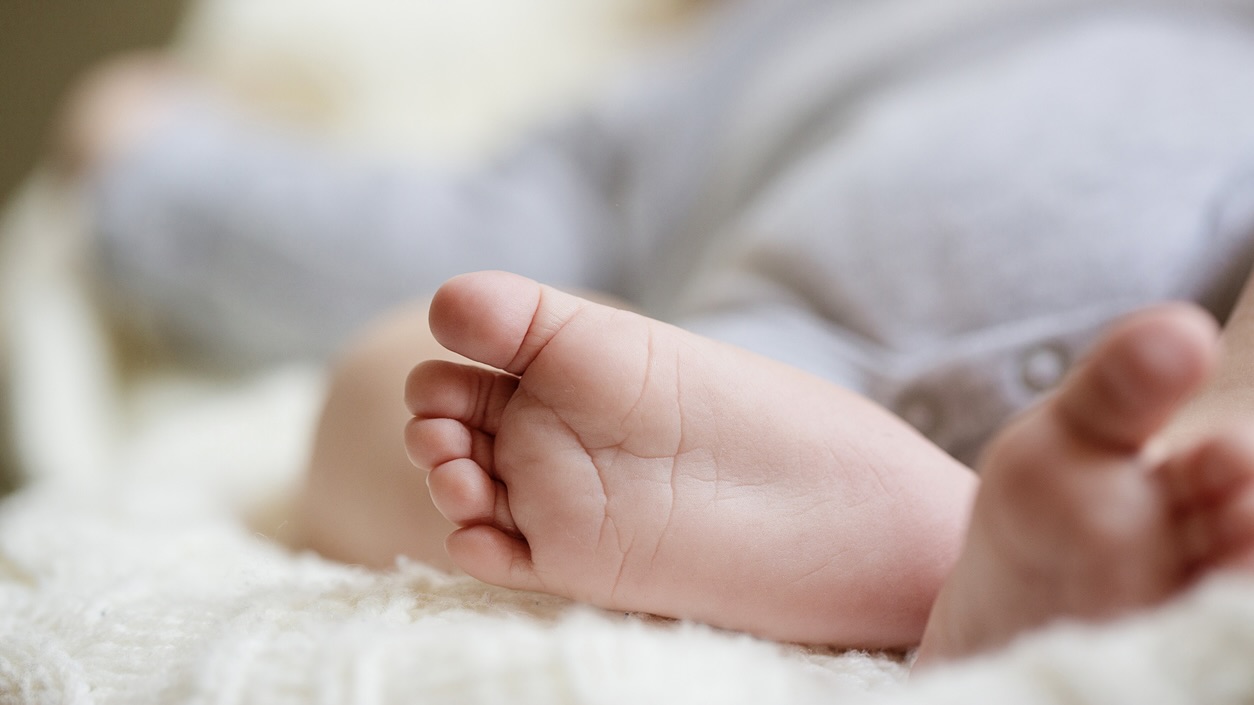
Each kit will contain a baby bed with a mosquito net, a baby macintosh, baby clothes, a baby towel and three washable, reusable nappies.

Synopsis: A year after a home-birth tragedy in Malappuram shook Kerala’s public health system, the state is still struggling to curb unsafe deliveries outside hospitals, with official data showing newborn deaths continuing even amid aggressive awareness campaigns. With a new government in power, doctors and activists demand stricter laws and stronger accountability.
A year after the death of a 35-year-old woman in Malappuram’s Chattiparamba following an unsupervised home birth sent shockwaves across Kerala, the state’s campaign against home deliveries appears to be struggling to translate outrage into lasting change.
The April 2025 tragedy had forced the Health Department and Local Self Government institutions into action, triggering a statewide awareness drive against home births. The message was sharp, the campaign sustained, and the warnings frequent. Yet, the numbers continue to raise concern.
Official figures accessed through a Right to Information (RTI) response revealed that 14 home births were recorded in Kerala in January 2026 alone. Three newborns died during the same period. Though the overall trend indicates a decline in such deliveries, health activists argued that awareness campaigns alone have failed to stem the practice.
With a new government now in office, expectations are growing around a tougher policy response. Public health experts and activists are calling for the issue to be taken up at the legislative level. They hope for a broader political consensus against unsafe home births in a state long recognised for its public healthcare achievements.
Also Read: The dark side of Kerala’s growing home birth movement
Three newborns died in Kerala in January 2026 during home deliveries. The state recorded 14 such births the same month.
The infant deaths were reported from Thrissur, Malappuram and Kozhikode, according to figures released by the Health Department in the RTI response.
The data, accessed by High Court advocate and public health activist Kulathoor Jaisingh, has brought renewed focus on the persistence of home births in parts of the state, despite Kerala’s strong institutional healthcare network.
The RTI reply stated that Kerala recorded 3,369 home births between 2019 and January 2026.
From January 2025 to January 2026 alone, 202 home deliveries were reported across districts.
During the same period, nine newborn deaths were linked to home births.
District-wise figures for the January 2025-January 2026 period showed Malappuram reporting the highest number of home births at 50.
It was followed by Idukki with 27, Thiruvananthapuram 20, Wayanad 17, Ernakulam 16, Palakkad 15, Kozhikode 11, Thrissur and Kannur 10 each, Kollam and Alappuzha 8 each, Kasaragod 4, Kottayam 3 and Pathanamthitta 2.
The larger trend over the years showed home births remaining a steady concern.
Kerala recorded 467 home births in 2019-20, 576 in 2020-21, 586 in 2021-22 and 584 in 2022-23.
The number dipped to 526 in 2023-24 and further to 428 in 2024-25.
From January to December 2025, the state reported 188 home births. January 2026 alone saw 14 cases.
Also Read: Kerala may frame guidelines to prevent home births among migrant women
Malappuram has consistently accounted for the largest share. The district recorded 193 home births in 2019-20, 258 in 2020-21, 271 in 2021-22 and 266 in 2022-23.
The number stood at 252 in 2023-24 and 191 in 2024-25.
Between January and December 2025, the district reported 44 home births, while six were recorded in January 2026 alone.
Public health activists said awareness campaigns and interventions by health workers helped bring down the numbers sharply in 2025. However, they argued that the issue cannot be addressed through awareness drives alone. They pointed to deeper social and ideological factors behind families opting out of institutional deliveries.
Also Read: How planned home births threaten Kerala’s healthcare legacy
At the same time, a four-year legal battle by a government doctor against unsafe home births in Kerala has returned to the spotlight, even as earlier research from Malappuram pointed to deep social and institutional reasons behind the growing distrust of hospital deliveries.
In January this year, a study published in the Indian Journal of Public Health Research and Development examined the factors influencing home deliveries in Kerala through a focused ethnographic study conducted in Thanalur panchayat in Malappuram district. The study identified a web of social pressures and personal anxieties forcing pregnant women away from institutional care.
Researchers found that traditional beliefs, peer influence, patriarchal decision-making inside families, fear of hospitals, embarrassment during treatment, prior negative experiences, and lack of privacy in hospitals contributed to women opting for home births. The presence of traditional birth attendants and encouragement from unqualified individuals also played a role.
One of the striking observations in Thanalur was the influence of peer groups. Women were often persuaded by others in their social circle, who had chosen home delivery. The study also noted that many women felt intimidated by hospital environments after facing verbal abuse, non-consented care, or breaches of physical privacy during earlier pregnancies.
Decision-making within most households remained male-dominated, the study noted, limiting women’s ability to independently choose institutional care.
Researchers also flagged the spread of misinformation through social media. Younger women, the study observed, were increasingly relying on unverified claims circulated online, feeding anti-institutional attitudes toward childbirth. At the same time, patriarchal restrictions on women’s access to information and media exposure continued to limit awareness about healthcare rights and maternal safety.
The study recommended stricter action against unqualified individuals conducting unsafe delivery practices and urged policymakers to recognise and protect the rights of mothers and unborn children through stronger interventions.
Meanwhile, Dr K Pratibha, Medical Officer at the Thanur Community Health Centre in Malappuram, has approached the High Court once again with an interim petition alleging that the Health Department has failed to take meaningful steps to curb unsafe home births. She alleged that recent deaths connected to home births were the result of serious negligence in ensuring timely medical care and counselling for pregnant women.
Dr Pratibha, who has been pursuing legal intervention for the past four years seeking clear government guidelines on home births, regulation through legal provisions, and accountability in cases involving maternal and infant deaths linked to unsafe deliveries outside hospitals, argued that awareness campaigns promised by the government have largely remained ineffective despite repeated warnings from health workers.
“Although legal provisions exist to act against negligence that endangers mothers and newborns, police have so far been unwilling to register cases. Such inaction indirectly encourages unsafe home births,” she said.
She has called for the Kerala Legislative Assembly to debate the issue and frame stricter laws to ensure enforcement of existing health protocols, warning that rejecting institutional healthcare despite accessible medical infrastructure amounts to a serious public health failure. She also sought criminal action against those whose negligence allegedly paved the way for preventable maternal or infant deaths linked to home births.
Also Read: Woman dies after 7th delivery, husband conducted birth at home
Health workers pointed out that the state’s remarkable maternal health record is facing an unexpected challenge from a growing trend of home births carried out without medical supervision. It has set alarm bells ringing in the public health system and sparked a wider debate over personal choice, misinformation, and safety.
“For decades, Kerala has been held up as a model in maternal and infant care. With maternal mortality rates among the lowest in the country and more than 99 per cent of deliveries taking place in hospitals, the state’s achievements have largely been credited to a strong public health network, active ASHAs, and sustained campaigns promoting institutional deliveries. That consensus is now under strain,” an official with the Directorate of Health Services said.
The official said a section of families is increasingly turning to home deliveries, often influenced by social media content romanticising “natural birth” and portraying hospitals as sites of unnecessary medical intervention.
Fear of caesarean sections, distrust of modern medicine, modesty concerns, financial difficulties, prior successful home births, and the influence of alternative therapy practitioners have all contributed to the shift.
Investigators and health workers have also flagged the existence of informal networks operating through WhatsApp groups and rotating phone numbers, offering guidance and “packages” for home deliveries.
In some cases, women from outside districts are allegedly being drawn into these arrangements.
The issue exploded into public attention in April 2025 after the death of 35-year-old Asma at Chattiparamba in Malappuram following her fifth home delivery. She reportedly suffered severe post-partum bleeding and was not shifted to a hospital in time.
Her husband, Sirajuddin, who runs a religious YouTube channel, was later booked on charges including culpable homicide not amounting to murder and destruction of evidence. Investigators accused him of delaying medical care and attempting to move the body under suspicious circumstances.
The case triggered intense scrutiny of online campaigns and influencers allegedly encouraging women to avoid hospitals during childbirth.
Then Health Minister Veena George reacted sharply, describing the denial of timely medical care during childbirth as a criminal act. She warned that spreading misinformation through social media could invite legal action and directed district authorities to strengthen monitoring, particularly in tribal and migrant communities.
Also Read: Woman, new-born die after botched delivery attempt at home
Officials have since launched awareness campaigns involving ASHAs, local self-government institutions, and community leaders. Meetings were convened across districts, and the Health Department initiated studies to understand the scale of the trend. Authorities claimed that the crackdown and public outreach have led to a decline in reported cases in certain areas.
Even as the government pushed for institutional deliveries, the legal position remained complicated.
India does not ban home births outright, and birth registrations can still list “home” as the place of delivery.
Some women advocating home births cite bodily autonomy and Article 21 rights, signing consent letters declaring their choice.
Supporters of home births argued that childbirth has become overly medicalised and insist women should have the right to decide how and where they deliver. Several women have publicly shared positive experiences of home deliveries, framing the debate as one of dignity and control over their bodies.
Doctors and public health experts are unconvinced.
They argued that even low-risk pregnancies can turn critical within minutes, with complications such as haemorrhage, infections, foetal distress, or breech presentations requiring immediate intervention unavailable outside hospitals.
The controversy has also opened up conversations around the absence of a regulated midwifery system in Kerala. Some experts felt that professionally trained and licensed midwives could offer a safer middle path for women seeking less clinical birthing environments, instead of relying on unqualified or underground networks.
(Edited by Majnu Babu).



