


Nadar, a prominent socialist leader has had a long political career, serving three times as a minister and representing Thiruvananthapuram in the Lok Sabha in 1980.

Published Dec 17, 2025 | 3:30 PM ⚊ Updated Dec 17, 2025 | 3:30 PM

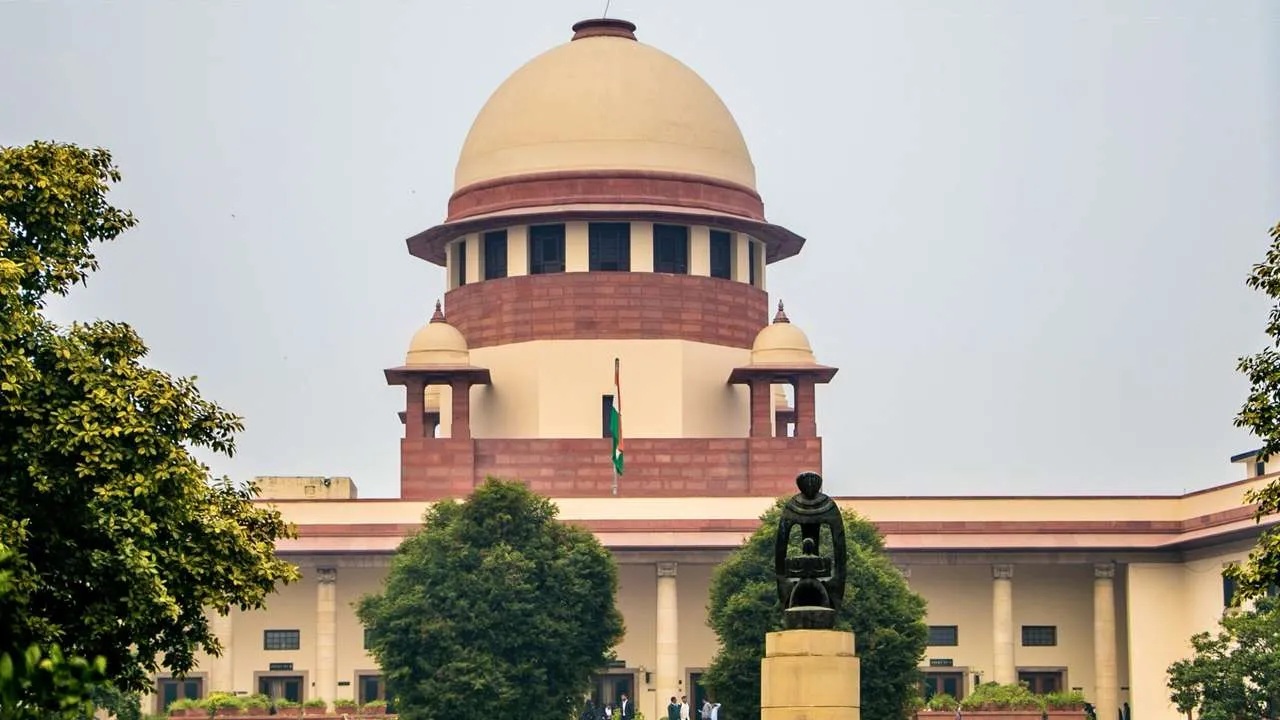
Supreme Court
Synopsis: While the Kozhikode district court had sentenced Nadar to one year in prison, the high court overturned the verdict last September. The appeal highlights alleged errors in the high court judgment and emphasises abuse of authority by a person in a position of power.
The Supreme Court is set to hear an appeal challenging the Kerala High Courts acquittal of former minister Neelalohithadasan Nadar in a decades-old sexual assault case.
The complainant, a senior official in the Forest Department, alleged that she was sexually assaulted during an official visit to Kozhikode guest house on 27 February 1999.
While the Kozhikode district court had sentenced Nadar to one year in prison, the high court in September 2025, overturned the verdict last September. The appeal highlights alleged errors in the high court judgment and emphasises abuse of authority by a person in a position of power.
Nadar, a prominent socialist leader has had a long political career, serving three times as a minister and representing Thiruvananthapuram in the Lok Sabha in 1980.
He held key portfolios including labour and housing in the C.H Mohammed Koya ministry, Sports and Youth from 1987 to 1991 in the E.K Nayanar ministry, and Forest and Transportation from 1999 to 2000 in the third Nayanar ministry.
According to a Livelaw report, the High Court’s judgment placed strong emphasis on the evidentiary standards required in cases of sexual offences, particularly when conviction is sought solely on the testimony of the victim.
The Court noted the delay in filing the FIR, lodged more than two years after the alleged incident. While the complainant initially explained the delay as fear of acting against a sitting minister, Justice Edappagath noted that she continued to remain silent even after Dr. Nadar resigned in February 2000. The Court found no satisfactory explanation for this prolonged delay, describing it as “fatal” to the prosecution’s case.
The Court found inconsistencies in the complainant’s testimony. Key details, such as her alleged immediate disclosure of the incident to her mother and a close friend, were absent from her earliest statements but appeared later, leading the Court to conclude that these were “later developments to strengthen the prosecution case.”
The lower courts had relied on the depositions of the complainant’s relatives and colleagues. The High Court ruled that such testimonies amounted to hearsay and were inadmissible under Section 60 of the Indian Evidence Act.
While reiterating that conviction can rest on the sole testimony of a victim, the Court stressed that such testimony must be of “sterling quality”—consistent, credible, and free from doubt. In this case, the complainant’s shifting versions and lack of supporting evidence meant her testimony did not meet that threshold.
(With inputs from Sreelakshmi Soman)


