

Published Aug 02, 2026 | 4:58 PM ⚊ Updated Aug 02, 2026 | 10:28 PM

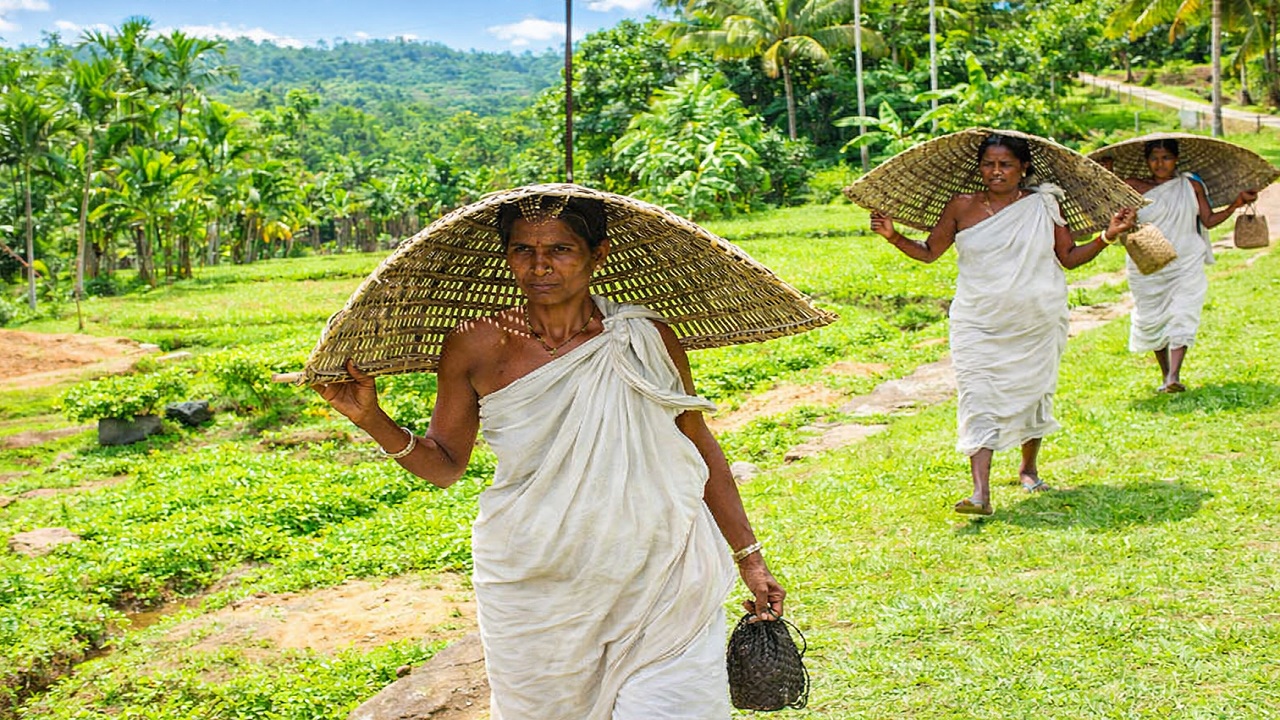
The study covered 2,333 tribal adults from tribal settlements in Malappuram, Wayanad and Thiruvananthapuram districts.

Synopsis: More than half of adults in Kerala’s tribal population have multiple chronic diseases, signalling a major shift in the health profile of Indigenous communities. Researchers say tackling the crisis will require integrated medical care, along with stronger nutrition and social support. The findings, based on a study, highlight a silent health crisis in the state’s indigenous communities.
One in every two tribespeople aged 30 years and above in Kerala is living with two or more chronic diseases, according to one of the largest community-based studies conducted among the state’s indigenous population.
The findings from a Department of Science and Technology-funded study led by the Sree Chitra Tirunal Institute for Medical Sciences and Technology (SCTIMST) pointed to an alarming burden of hypertension, diabetes and chronic kidney disease occurring together.
It underscored the urgent need to rethink how primary healthcare reaches some of Kerala’s most underserved communities.
Researchers said the pattern goes beyond individual illnesses, highlighting the need for early screening, integrated treatment and culturally sensitive health services to prevent chronic diseases from reinforcing one another and worsening health outcomes.
Also Read: Why does this Kerala tribal taluk see an office as key to food security?
The community-based survey spanning 18 indigenous tribal communities in Kerala revealed that more than half of tribal adults aged 30 years and above are living with two or more non-communicable diseases.
The study highlighted a growing burden of chronic illnesses in populations that have traditionally remained outside the focus of public health research.
The cross-sectional study, carried out between September 2022 and July 2024, covered 2,333 tribal adults from tribal settlements in Malappuram, Wayanad and Thiruvananthapuram districts, selecting 25 tribal hamlets from each district.
A five-member team headed by Dr Jeemon Panniyammakal, Additional Professor of Epidemiology at SCTIMST, collected detailed demographic, behavioural, clinical, and anthropometric information, besides measuring blood pressure, blood glucose, kidney function, haemoglobin, and urine biomarkers.
Medical records and clinical histories were also reviewed to establish the prevalence of non-communicable diseases (NCDs).
The findings, published in The Lancet Regional Health (Southeast Asia) journal, pointed to a high prevalence of cardiometabolic disorders.
Hypertension was the most common condition, affecting 50.8% of participants, followed by diabetes at 32.2% and chronic kidney disease at 22.6%.
Overall, 55.2% of those surveyed had multimorbidity, defined as the presence of two or more chronic diseases in the same individual. The burden increased sharply with age.
While 39.5% of adults in the 30-49 age group had multiple chronic conditions, the proportion rose to 87.3% among those aged over 70 years. Older adults were significantly more likely to experience multimorbidity than younger participants.
The study also found that these illnesses rarely occurred in isolation.
Network analysis showed a strong clustering of hypertension, diabetes, chronic kidney disease and anaemia, suggesting that cardiometabolic and renal disorders frequently coexist among Kerala’s tribal population.
Women accounted for 1,356 of the 2,333 participants included in the study.
The researchers said the findings underlined the need to move beyond disease-specific programmes in tribal areas.
They recommended that healthcare systems move beyond a one-disease-at-a-time approach. They called for regular screening for related chronic illnesses, particularly hypertension, diabetes and kidney disease, so that patients can be diagnosed earlier and treated through a coordinated care programme.
They also argued for integrated primary healthcare that can identify and manage multiple chronic conditions together, along with regular screening and interventions designed around the cultural and social realities of indigenous communities.
Also Read: Elephants sans passage, people without peace
Lead author, Dr Jeemon, said that tribal communities in Kerala are facing a growing burden of multiple chronic illnesses, with patterns mirroring those seen among indigenous populations across the world.
The findings closely echoed global evidence showing that indigenous populations are nearly twice as likely as non-indigenous groups to develop multiple chronic conditions.
The study pointed to Kerala’s epidemiological transition as a key factor behind this shift. While tribal communities have historically carried a heavy burden of infectious diseases, they are now confronting a double challenge: infectious illnesses continue to persist even as cardio-metabolic diseases such as diabetes and hypertension are becoming increasingly common.
Researchers observed that cardio-metabolic conditions formed the dominant cluster of illnesses. They also noted the coexistence of undernutrition and central obesity, a combination increasingly reported from socioeconomically disadvantaged populations in India and other low- and middle-income countries.
The authors argued that, in addition to the need for integrated primary healthcare and improved screening and follow-up, the focus should also be on stronger social support through subsidised medicines, affordable diagnostic services, and transport to healthcare facilities.
They also stressed that lasting improvements will depend on coordinated action on nutrition, education and access to healthcare to reduce health inequalities among Kerala’s tribal population.
(Edited by Majnu Babu).



