

Published Jul 16, 2026 | 10:44 AM ⚊ Updated Jul 16, 2026 | 10:44 AM

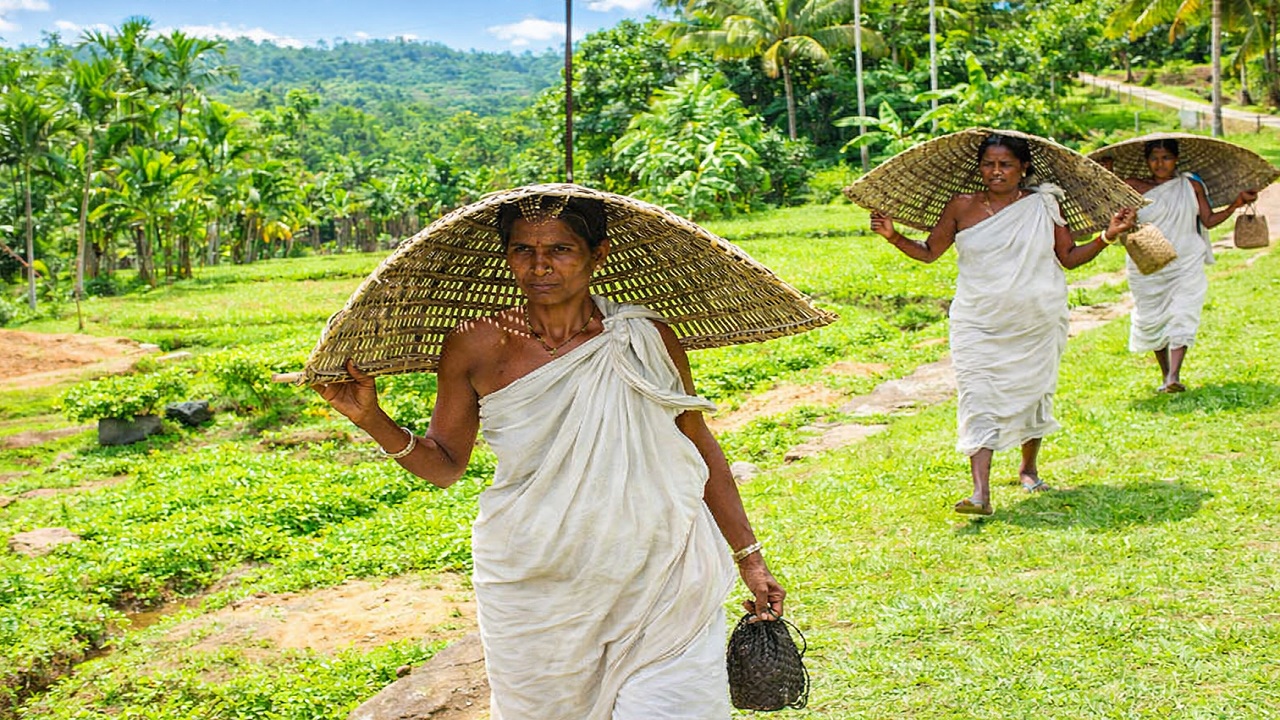
While the Paniya form nearly half of the tribal population in the district, they have never been politically represented by any of the major fronts.

Synopsis: The Kerala Human Rights Commission has directed the Revenue Department to ensure that adults are not denied caste, religion or community certificates simply because their school records do not mention their caste or religion. The order follows longstanding complaints from tribal communities and linguistic minorities who say bureaucratic hurdles have cost them educational opportunities, government jobs and reservation benefits.
For years, obtaining a caste certificate has been an exhausting journey for many vulnerable communities in Kerala. For some, it means repeated visits to village offices.
Many say they have also lost educational opportunities or government jobs because they could not produce the certificate in time.
The ordeal is particularly harsh for tribal families whose parents never went to school and therefore have no school records, or for linguistic minorities whose identities remain tangled in bureaucratic procedures.
Among them is Manikkuttan Paniyan, the first MBA graduate from the Paniya community in Wayanad.
Despite this achievement, Manikkuttan has struggled several times to obtain his caste certificate. The most difficult phase, he recalls, was when village officials asked him to produce the caste certificate of his father – a 78-year-old illiterate Paniya man who never went to school. His mother, too, never received any formal education.

Manikkuttan Paniyan
Getting a caste certificate is a Herculean task for most tribals, according to Manikkuttan. “Especially in Nalloornad village in Mananthavady,” he told South First.
“Bring your parents’ school certificates. Bring their caste certificates.” Many tribal families in Wayanad say they hear these instructions every time they apply for a caste certificate.
Now, in a significant relief, the Kerala Human Rights Commission (KHRC) has directed the state’s Revenue Department to ensure that applications for caste, religion and community certificates submitted by adults are not rejected merely because their school records do not mention their caste or religion.
Also Read: A tale of two white papers: Congress, CPI(M) lock horns over Kerala’s finances
Recently, the Tribal Development Department invited applications from qualified Paniya candidates holding TTC, BEd and other educational qualifications for government job vacancies. However, submitting a caste certificate was mandatory.
Applicants were given only four days to apply, one of which was a Sunday.
Many feared they would miss the opportunity because obtaining a caste certificate usually takes at least six to seven days. After several complaints, authorities finally agreed to accept applications first and allow candidates to submit their caste certificates during the interview.
Had this relaxation not been granted, many deserving candidates might have lost a rare government job opportunity simply because of procedural delays.
The challenges do not end there.
Many people in tribal communities are unfamiliar with the online application process and depend entirely on Akshaya centres. They spend at least ₹150, including service charges, just to submit an application. If it is rejected, they often remain unaware until they make another visit to the Akshaya centre.
The struggle to obtain caste certificates is not limited to tribal communities. As South First recently reported, Tamil-speaking tea plantation workers in Munnar continue to face similar hardships in securing community certificates and proving their identity in Kerala.
KHRC Judicial Member Justice K Baijunath directed the Principal Secretary of the Revenue Department to issue detailed guidelines to revenue officials across Kerala, making it clear that such applications must be processed strictly in accordance with the existing legal framework.
The Commission has also sought a compliance report within two months.
The order came on a public interest petition highlighting the difficulties faced by individuals whose parents, particularly those in interfaith marriages or those with progressive views, had intentionally left the caste and religion columns blank during school admission.
According to the petition, many of these individuals, especially those belonging to Scheduled Castes and Scheduled Tribes, later found themselves unable to obtain caste certificates and consequently lost reservation benefits guaranteed under the Constitution.
The petition further pointed out that while many parents had themselves benefited from reservations in education and employment, their children were later denied the same constitutional rights simply because their school records did not mention caste or religion.
After examining a report submitted by the Revenue Department, the Commission noted that the absence of caste or religion details in an SSLC certificate does not prevent an adult from claiming the caste or religion of either parent. The department clarified that revenue authorities can issue caste certificates after conducting a proper inquiry into the applicant’s beliefs, customs, traditions and acceptance within the concerned community.
The report also reiterated that every citizen has the constitutional right to change religion and update official records after publishing the change in the Government Gazette.
Where necessary, revenue officials may verify an applicant’s religious beliefs and practices before issuing a religion certificate.
However, despite these legal provisions, the petitioner alleged that Tahsildars and Village Officers continued to reject applications solely because caste or religion was not recorded in SSLC certificates.
The Commission therefore directed the Revenue Department to issue appropriate instructions to ensure that all laws, government orders and legal provisions relating to the issuance of caste, religion and community certificates are implemented uniformly across Kerala.
Also Read: WhatsApp scammers offer Kerala MLA a Cabinet berth for ₹3 crore
Gomathi, one of the leaders of the 2015 Pombilai Orumai movement, welcomed the order.
“If this really happens, it can end our struggle. I will send my father to the revenue office the very next day. I want to know how the officials respond,” she told South First.
For Tamil linguistic minorities in Munnar, the government continues to maintain that delays stem from legal and technical requirements, including proof of pre-1950 migration. Workers, however, view the process as institutional discrimination that denies them equal recognition as residents of Kerala.
For many people from vulnerable communities across the state, the KHRC order offers long-awaited hope. Whether that hope translates into change inside village offices, however, remains to be seen.
The real test will not be the order itself but how faithfully it is implemented on the ground.



