

Published May 28, 2026 | 8:21 AM ⚊ Updated May 28, 2026 | 8:21 AM

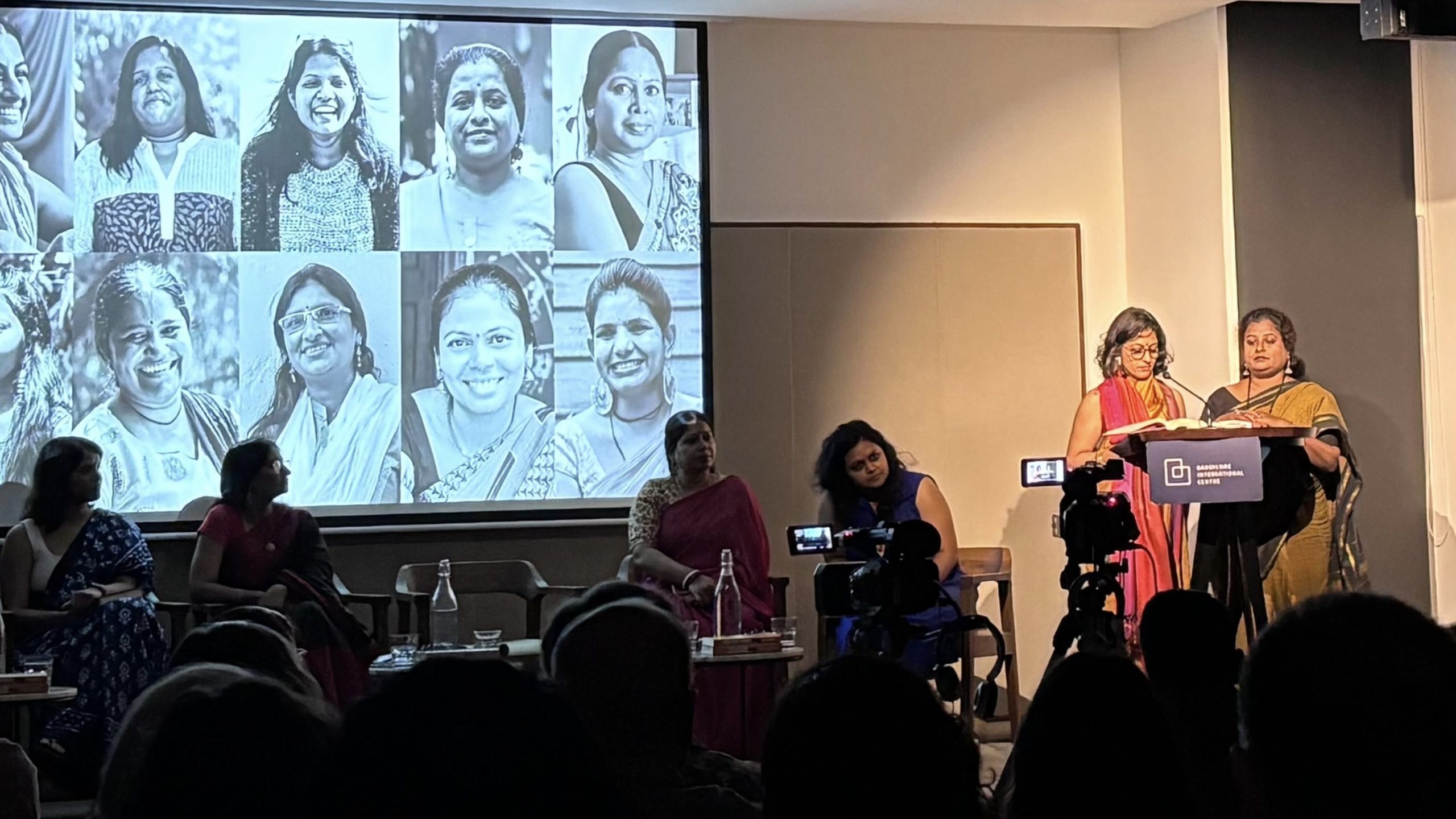
Disha Mullick and Kavita Bundelkhandi read an excerpt from The Good Reporter.

Synopsis: Khabar Lahariya, India’s only all-women rural news collective, launched its debut memoir in Bengaluru last week, reflecting on nearly 25 years of reporting on caste, gender and rural life from the margins. At the event, members of the collective spoke about navigating journalism as rural women, building trust in villages, and finding friendship and purpose within the newsroom.
In the summer of 2002, a collective of women from some of the most disadvantaged communities in Bundelkhand, Uttar Pradesh, came together to start their own newspaper.
They called it Khabar Lahariya, meaning “news waves”. For nearly twenty-five years since, they have done exactly that: reporting, filming, editing, and broadcasting stories that the mainstream media ignored. They told stories they themselves lived every day – stories about caste oppression, violence against women, and rural life.
It wasn’t an easy journey. Men and village elders frowned upon the idea of women working as news reporters. They warned families and discouraged other women from participating, claiming the collective would “spoil our village girls.”
In spite of that, Khabar Lahariya thrived, bagging some of the most prestigious awards in journalism and literature in the world.
Last weekend (22 May), the collective launched its memoir in Bengaluru. Aptly titled The Good Reporter, or Badi Aayi Patrakar in Hindi (Simon & Schuster India; ₹550), the book takes its name from a phrase the collective once aspired to embody when it first began.
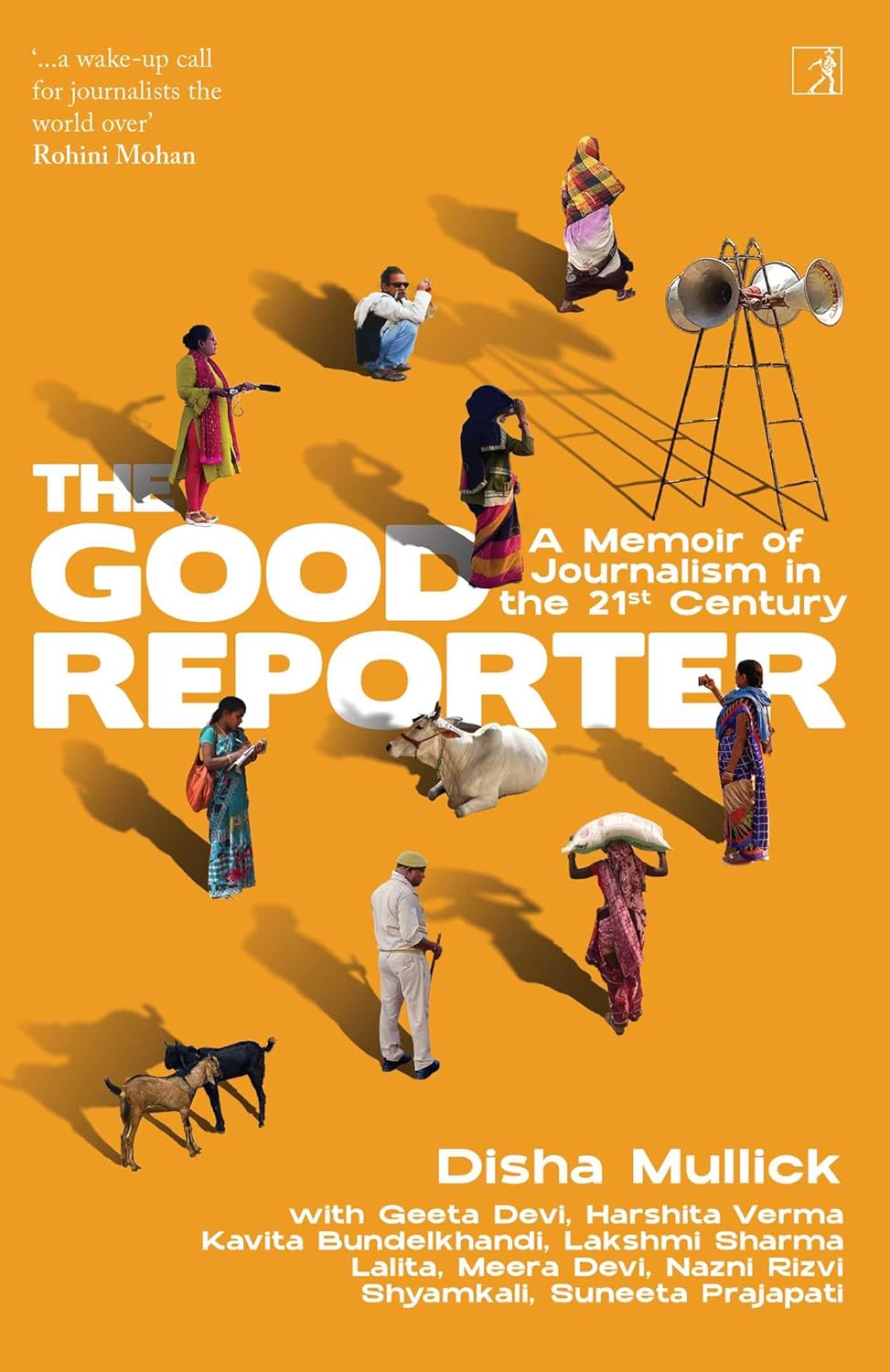
The Good Reporter, or Badi Aayi Patrakar in Hindi, takes its name from a phrase the collective once aspired to embody when it first began.
Held at the Bangalore International Centre (BIC), the event featured six members of the collective: Kavita Bundelkhandi, co-founder of Khabar Lahariya; Nazni Rizvi, the organisation’s chief reporter; Meera Devi, managing editor; Lakshmi Sharma, executive producer; Harshita Verma, communications manager; and former Khabar Lahariya journalist and writer Disha Mullick.
In conversation with Vijeta Kumar, faculty at St Joseph’s University, they spoke about what it means today to negotiate caste, class, and gender as women, journalists, and writers.
Also Read: From Kerala’s red rebel era to Cannes 2026; ‘Purushan’ remembers John Abraham’s Amma Ariyan
A key question that emerged during the discussion was what it means to be a “good woman” and a “good reporter” – and, more importantly, whether it is possible to be both in the society we live in.
Most women working at Khabar Lahariya joined out of necessity, the speakers said. But as they worked together, they slowly found a sense of purpose – a reason to stay.
The women spoke often of the “scaffolding” they provided one another, something that was evident in the way they held space for each other throughout the event.
Khabar Lahariya was not only an opportunity for professional growth; it also became a space where the women could feel safe.
They recalled moments when the newsroom expanded into something more intimate – a place where they could share experiences, both good and bad, and laugh about them together. Over time, the boundaries between work and life began to blur, they said.
Many of the women were subjected to taunts and degrading remarks while distributing newspapers in villages. Men would ask whether the women were also “available” at the same price as the newspapers, which then sold for ₹2.
The speakers recounted these experiences with surprising lightness, saying they still laugh about them when they come up in conversation. The women in the audience responded with a kind of wistful understanding, while many of the men appeared visibly shocked.
The heaviness of these conversations was quickly punctured as the discussion shifted, almost seamlessly, to the indignities surrounding women’s bodily functions and the freedoms men take for granted.
“Through the writing process, I’ve understood myself on a deeper level,” said Lakshmi Sharma.
“If a memory from ten years ago is stuck to you, why is that? There is a reason. Some things we discuss jokingly, but there is so much grief behind them. Those changes… we’ve experienced them in our bodies.”
The same organisation once accused of “spoiling village girls” now receives more applications than it can shortlist, the speakers said proudly.
“I think the process of storytelling has centred our bodies as text – as the place from which we understand the changing politics around us, and the shifting financial and technological realities we live through,” said writer Disha Mullick, who worked as an editor and journalist at Khabar Lahariya for eighteen years.
She explained how exciting it was to “lose herself” in a place – to move through a neighbourhood and simply listen. It stood in contrast to the conventional world of journalism, which often prioritises the way one speaks, asks questions, and strategises.
Many women in the organisation, who had not been able to complete their education, discovered a passion for storytelling over time. Lakshmi Sharma, for instance, initially joined because the job seemed “fun”, but stayed for something deeper: the friendships that blossomed within the newsroom.
Gradually, the women realised that what had brought them together could also become the voice of many other women living at the margins. From there began their journey of turning lived experience into meaningful journalism.
“We didn’t come here because this was the job we always wanted; we came to it by accident. Then we put our roots down and shifted things around so the space could make room for us,” said Mullick.
From its inception, Khabar Lahariya remained committed to one objective: reporting the stories of marginalised communities.
At a time when much of journalism has lost public trust, the women of Khabar Lahariya have spent years building credibility in the remote regions they cover.
Nazni Rizvi recalled how reporters would repeatedly visit families while working on stories – and would continue visiting even when there was no immediate story to report. “So people know, if Khabar Lahariya’s women are here, it is a credible source,” she said.
The speakers reflected on the years of labour it took to build this trust, especially in places where women were often met with suspicion. “There’s networks and connections and an understanding of the social fabric of a village that you wouldn’t have if you didn’t keep returning,” said Disha Mullick.
Kavita Bundelkhandi recalled being offered an MLA post after interviewing Shah Rukh Khan, an offer she said she declined on principle.
According to her, political news is covered everywhere, but the concerns of women and Dalit communities in rural districts are still frequently overlooked.
She stressed that reading about marginalised communities is a moral responsibility. “If you do not read about rural issues, then you have no knowledge of the country,” she said.
(Edited by Dese Gowda)



