


The Karnataka government had passed the Hate Speech and Hate Crimes (Prevention) Bill, 2025, in December amid uproar from the Opposition and an incomplete debate in the Assembly.

Published Jan 08, 2026 | 12:34 PM ⚊ Updated Jan 08, 2026 | 12:34 PM

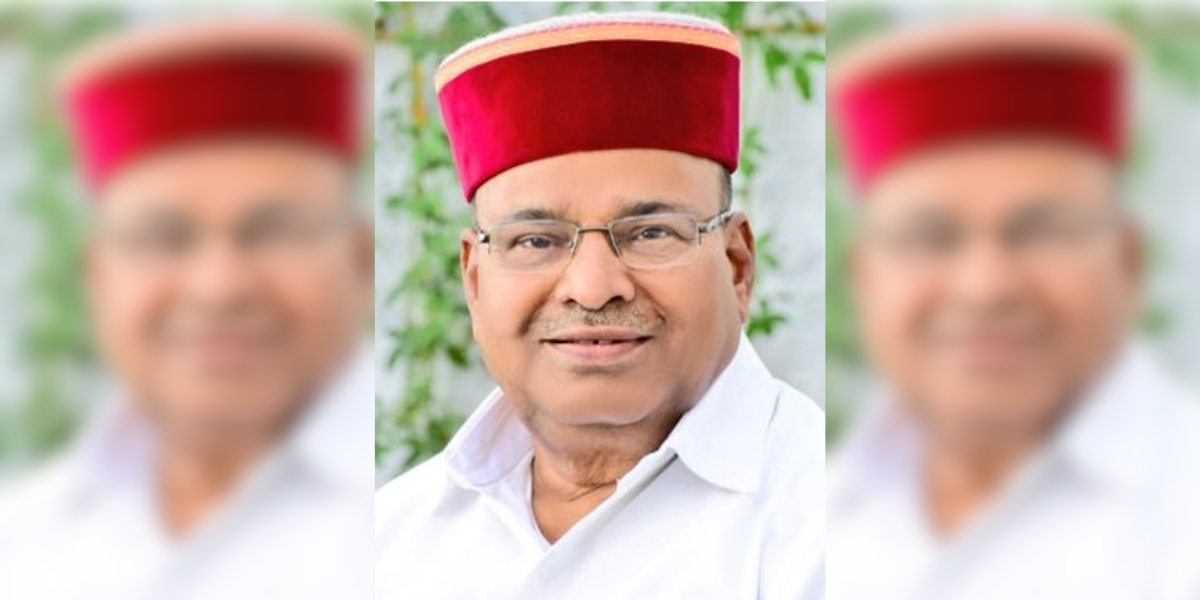
Karnataka Governor Thawar Chand Gehlot.
Synopsis: Karnataka Governor Thaawarchand Gehlot gave his assent to several bills sent by the state government that were passed during the winter session of the state legislature in Belagavi. However, the contentious Karnataka Hate Speech and Hate Crimes (Prevention and Control) Bill is still pending for approval.
Karnataka Governor Thawar Chand Gehlot on Thursday, 8 January, gave his assent to several Bills sent by the state government that were passed during the winter session of the state legislature in Belagavi.
The acts that made it to the state gazette are the Karnataka Labour Welfare Fund (Amendment) Act, Greater Bengaluru (2nd Amendment) Act, Karnataka Private Medical Establishments (Amendment) Act, Nadaprabhu Kempegowda Heritage Area Development Authority (Amendment) Act, Bombay Public Trust (K.A) Act, and Karnataka Hindu Religious Institutions and Charitable Endowments (Amendment) Act.
However, the contentious Karnataka Hate Speech and Hate Crimes (Prevention and Control) Bill is still pending for approval, along with the Karnataka Social Boycott (Prevention, Prohibition and Redressal) Bill, the Karnataka State Commission for the Scheduled Castes and the Scheduled Tribes (Amendment) Bill, Drugs and Cosmetics (Karnataka Amendment) Bill and Karnataka Scheduled Castes (Sub Categorisation in Reservation) Bill.
The Governor has returned the Karnataka Tank Conservation and Development Authority (Amendment) Bill, 2025, to the state government.
The Karnataka government had passed the Hate Speech and Hate Crimes (Prevention) Bill, 2025, in December amid uproar from the Opposition and an incomplete debate in the Assembly. With the Bill, the state became the first in the country to introduce dedicated legislation to tackle hate speech and hate crimes.
The Bill was passed despite unresolved concerns raised by the Opposition and free speech activists over the potential for arbitrary misuse of state powers, sweeping takedown provisions, and overly broad definitions of hate speech and criminal content.
The Bill defines hate speech as any expression that is made, published, or circulated, in words either spoken or written, or by signs or visible representations, or through electronic communication or otherwise, in public view, with the intention to cause injury, disharmony, or feelings of enmity, hatred or ill-will against a person, alive or dead, a class or group of persons, or a community, to meet any prejudicial interest.
(With inputs from Anisha Reddy.)


