

Published Jun 29, 2026 | 11:24 PM ⚊ Updated Jun 30, 2026 | 8:53 AM

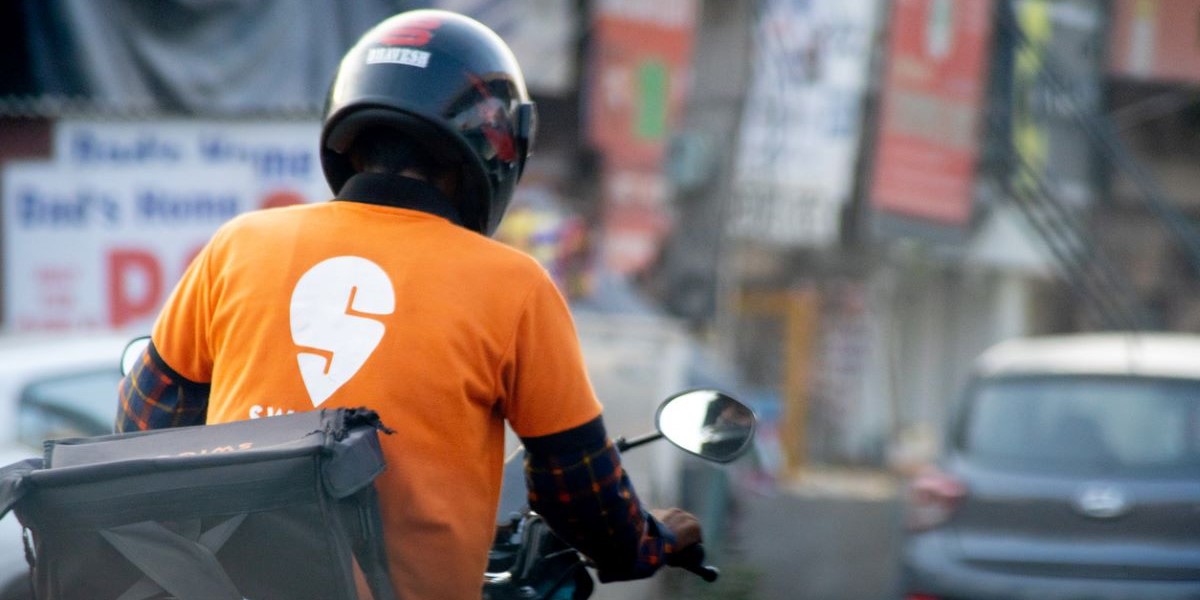
Gig workers. (Representational/ iStock)

Synopsis: The IFAT, TGPWU and KAWU have strongly condemned the decision of platform companies to challenge the Karnataka Platform-Based Gig Workers (Social Security and Welfare) Act, 2025 before the Karnataka High Court. The Karnataka legislation is an initiative aimed at providing social security benefits, welfare measures, transparency in algorithmic management, grievance redressal mechanisms, and protection against arbitrary deactivation of workers’ accounts.
The Indian Federation of App-Based Transport Workers (IFAT), Telangana Gig and Platform Workers Union (TGPWU) and Karnataka App-Based Workers Union (KAWU) have strongly condemned the decision of platform companies, including Swiggy and Zepto, to challenge the Karnataka Platform-Based Gig Workers (Social Security and Welfare) Act, 2025 before the Karnataka High Court.
Reacting to the development, Shaik Salauddin, Co-Founder and National General Secretary of (IFAT) and Founder President of the Telangana Gig and Platform Workers’ Union (TGPWU), said, “The legal challenge mounted by platform companies against the Karnataka Gig Workers Welfare Act is an unfortunate attempt to deny millions of gig and platform workers their basic rights to social security, welfare, and dignified working conditions. The digital economy cannot be built on exploitation and insecurity.”
The Karnataka legislation is an initiative aimed at providing social security benefits, welfare measures, transparency in algorithmic management, grievance redressal mechanisms, and protection against arbitrary deactivation of workers’ accounts.
Also Read: Priyank Kharge pushes RSS to a “Kagaz Nahi Dikhayenge” moment and he won’t stop there
“The companies argue that the law is inconsistent with existing central legislation. The companies are misrepresenting the intent and content of the law. The Karnataka law only supplements and does not replace the Code on Social Security (CoSS). The reality is that gig workers across India continue to remain without adequate social protection despite years of promises. States have both the constitutional authority and moral responsibility to protect workers from exploitation and fill these gaps,” said Salauddin.
He further emphasised that the global labour community has already recognised the urgent need to protect platform workers through ILO Convention No. 193 (C193), the historic international labour standard dedicated to workers in the platform economy.
“ILO Convention No. 193 establishes that platform workers are entitled to fundamental labour rights, including social security, fair remuneration, occupational safety, collective representation, and protection from algorithmic exploitation. The Karnataka law is fully in line with these emerging global standards and promotes India’s constitutionally guaranteed protections for workers.”
IFAT, TGPWU and KAWU reiterated the following principles:
IFAT, TGPWU and KAWU called upon platform companies to withdraw their challenge and engage in meaningful dialogue with workers’ organisations and governments to create a fair and sustainable platform economy.
“Any attempt to weaken protections for gig workers is contrary to the principles of social justice and the growing international consensus on decent work in the platform economy. India’s digital future must be built on fairness, dignity, and social protection for workers.”
Gig workers’ unions reiterated their principle: Social security, dignity, and justice are non-negotiable.



