

Published May 27, 2026 | 11:52 AM ⚊ Updated May 27, 2026 | 2:12 PM

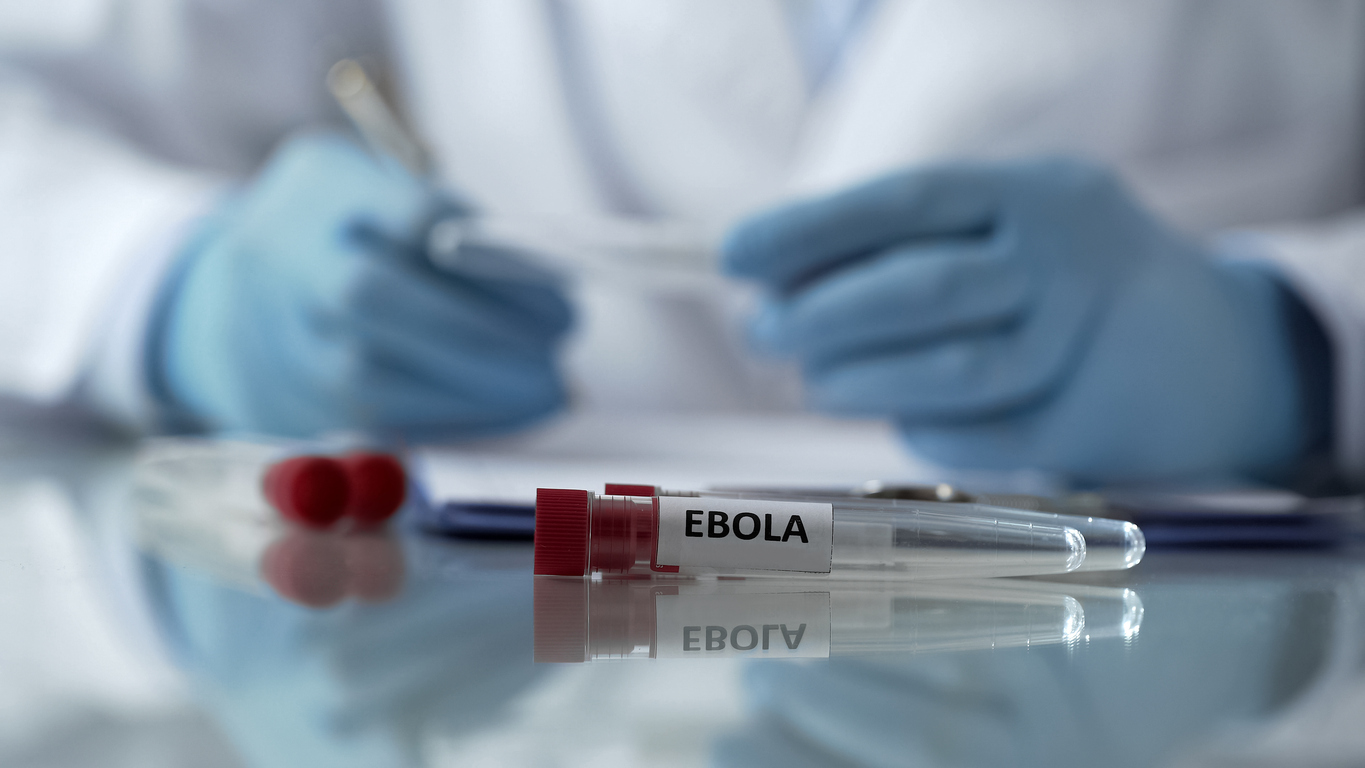
Ebola. (iStock)

Synopsis: The Union Health Ministry confirmed that the suspected Ebola case reported in Bengaluru has tested negative for Ebola Virus Disease (EVD), bringing relief after the incident triggered a health alert in Karnataka earlier this week. The Ministry said the test results of the individual who had been isolated “as a matter of abundant caution” were negative for Ebola virus disease.
The Union Health Ministry on Wednesday, 27 May, confirmed that the suspected Ebola case reported in Bengaluru has tested negative for Ebola Virus Disease (EVD), bringing relief after the incident triggered a health alert in Karnataka earlier this week.
In a statement, the Ministry said the test results of the individual who had been isolated “as a matter of abundant caution” were negative for Ebola virus disease.
“Test results of the person isolated as a matter of abundant caution in Bengaluru have returned negative for Ebola Virus Disease. There is no confirmed case of Ebola in India,” the Union Health Ministry said, citing results from the National Institute of Virology (NIV), Pune.
The suspected case involved a 28-year-old Ugandan woman who had recently travelled from Uganda and arrived in Bengaluru on 23 May. She was shifted to the State-run Epidemic Diseases Hospital after developing mild symptoms, including body aches.
Health authorities had collected blood and swab samples from the woman and sent them to the ICMR-National Institute of Virology (NIV), Pune, for confirmatory testing.
Confirming the negative result, Karnataka Health Minister Dinesh Gundu Rao said all required medical protocols and precautionary measures were strictly followed in accordance with established public health guidelines.
The suspected Ebola case reported in the state has tested negative following laboratory examination. Health authorities have confirmed that the individual is not infected with the Ebola virus. All required medical protocols and precautionary measures were strictly followed in…
— Dinesh Gundu Rao/ದಿನೇಶ್ ಗುಂಡೂರಾವ್ (@dineshgrao) May 27, 2026
Also Read: Suspected Ebola case reported in Bengaluru after Ugandan woman develops symptoms
Following the suspected case, Karnataka had activated surveillance and emergency preparedness measures across the state. Monitoring under the Integrated Disease Surveillance Programme (IDSP) was intensified, and airport surveillance systems were placed on alert to monitor travellers arriving from Ebola-affected regions.
The state government had also designated specialised quarantine, isolation and treatment facilities in Bengaluru and Mangaluru. Rapid Response Teams were placed on standby, and hospitals were instructed to maintain strict infection-control protocols and ensure adequate availability of personal protective equipment (PPE) and emergency medical supplies.
Officials reiterated that the measures were precautionary and part of standard public health preparedness protocols followed during international disease alerts.
Ebola Virus Disease is a severe viral infection that spreads through direct contact with bodily fluids of infected persons or contaminated surfaces. Common symptoms include fever, headache, body pain, fatigue, sore throat and vomiting, while severe cases can lead to internal bleeding and organ failure.
Most recent Ebola cases globally have been reported from the Democratic Republic of Congo and neighbouring Uganda.
(Edited by Muhammed Fazil.)



