

Published Jul 13, 2026 | 7:00 AM ⚊ Updated Jul 13, 2026 | 7:00 AM

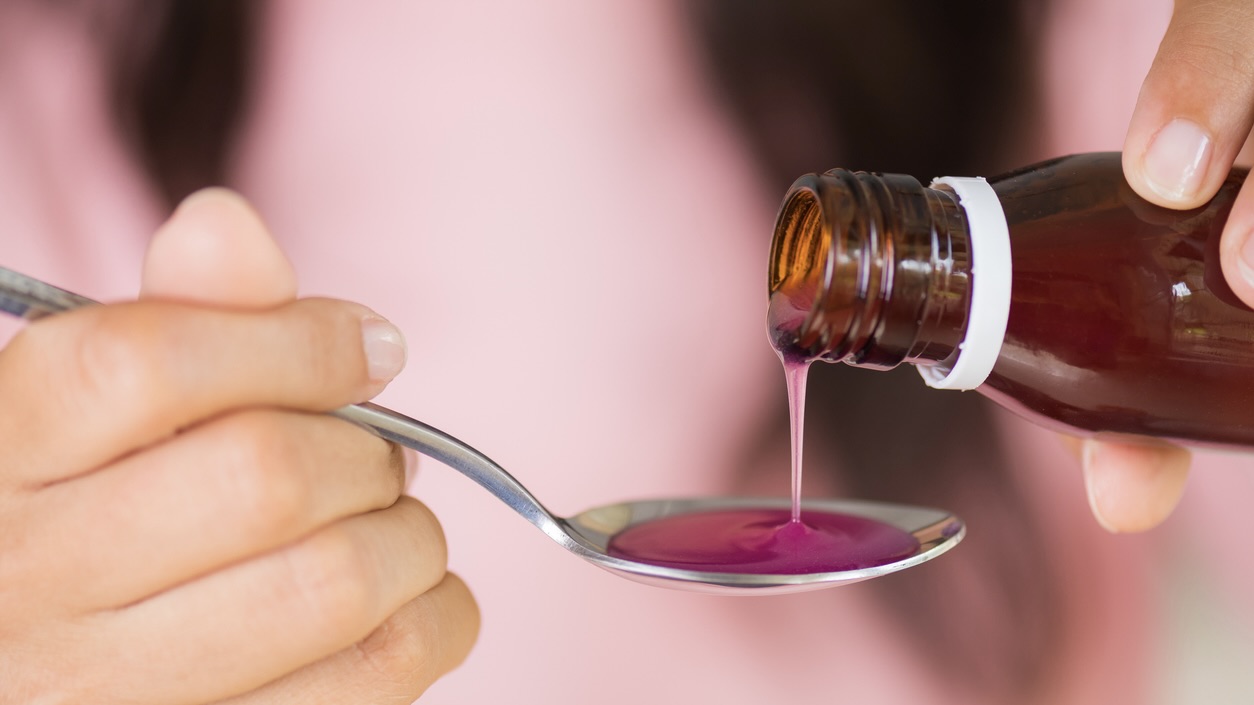
Ethyl alcohol is commonly used in medicines as a pharmaceutical solvent to extract active ingredients from herbs and plants.

Synopsis: The Union Health Ministry has brought oral medicines containing more than 12 percent ethyl alcohol in bottles larger than 30 ml under stricter prescription-only rules to curb their misuse for intoxication. The Drugs (Tenth Amendment) Rules, 2026, will take effect six months after their publication and require pharmacies to keep detailed records of every sale for three years.
The Union Health Ministry has tightened regulations governing the sale of oral medicines containing high concentrations of alcohol, citing concerns that some formulations were increasingly being diverted for recreational consumption rather than legitimate medical use.
Under the Drugs (Tenth Amendment) Rules, 2026, notified on 8 July, oral formulations containing more than 12 percent v/v ethyl alcohol and packed in bottles larger than 30 ml have been brought under Schedule H1 of the Drugs Rules, 1945. The rules will come into force six months after their publication in the Official Gazette.
The move means these medicines can now be sold only on the prescription of a registered medical practitioner, while pharmacies will be required to maintain detailed records of every sale.
Also Read: The calcium paradox: Why the mineral your bones need doesn’t necessarily damage your heart
Ethyl alcohol is commonly used in medicines as a pharmaceutical solvent to extract active ingredients from herbs and plants, or as a preservative. Its presence in medicinal formulations is not unusual and plays an important role in manufacturing.
“Many oral medicines, including certain cough syrups and herbal formulations, contain ethyl alcohol because it acts as a solvent to extract active ingredients from herbs or as a preservative. When used in the prescribed dose under medical supervision, these medicines are safe and effective,” Dr M Rajeev, pulmonologist at RX Hospitals, Hyderabad, told South First.
However, according to the Health Ministry, some oral formulations contain very high concentrations of alcohol and are increasingly being diverted for non-medical use.
The notification states that products previously covered under Schedule K, including tinctures and alcohol-based herbal extracts of cardamom, ginger and other aromatic preparations, may contain 80 percent to 90 percent ethyl alcohol, making them particularly vulnerable to misuse.
Doctors say these products can pose serious health risks when consumed for intoxication rather than treatment.
“The concern is that some formulations contain very high concentrations of alcohol, sometimes as much as 80 percent to 90 percent, making them vulnerable to diversion for recreational consumption rather than therapeutic use. People may consume these products in excessive quantities to experience intoxication, which can result in impaired judgment, hallucinations, respiratory depression, poisoning, and even life-threatening overdose,” Dr Rajeev said.
The amendment removes these formulations from the exemptions available under Schedule K and brings them under tighter regulatory oversight.
Specifically, it amends Schedule K by inserting the following exception:
“Except for all oral formulations containing more than 12 percent alcohol v/v (Ethyl Alcohol) packed and sold in packings or bottles of more than 30 milliliters.”
The Ministry has also amended Schedule H1 by inserting a new Entry No. 52 after Pregabalin. The new entry reads:
“All oral formulations containing more than 12 percent alcohol v/v (Ethyl Alcohol) packed and sold in packings or bottles of more than 30 milliliters.”
According to the Ministry, the amendment was finalised after the draft rules, published in October 2025 for public consultation, received no objections or suggestions from stakeholders.
“These rules may be called the Drugs (Tenth Amendment) Rules, 2026,” the notification states, adding that they “shall come into force after 6 months from the publication of these rules in the Official Gazette.”
Also Read: As India records more births, South India—except Telangana—heads the other way
The inclusion of these formulations under Schedule H1 means they will only be sold to patients with a valid prescription from a registered medical practitioner.
Retail pharmacies will have to maintain a separate register documenting the patient’s name and address, the prescribing doctor’s details, the medicine dispensed and the quantity supplied. These records must be preserved for three years and produced before drug inspectors whenever required.
Dr Rajeev said the tighter regulatory framework is expected to reduce misuse without affecting access for patients.
“Bringing these high-alcohol formulations under stricter prescription and record-keeping requirements is a welcome step because it will make diversion more difficult while ensuring that patients who genuinely need these medicines continue to have access under medical supervision,” he said.
The Ministry said the changes strengthen oversight of products that were previously exempt from certain licensing requirements, while improving traceability and accountability in their sale and distribution.
(Edited by Dese Gowda)



