

Published Aug 10, 2026 | 11:14 AM ⚊ Updated Aug 10, 2026 | 6:03 PM

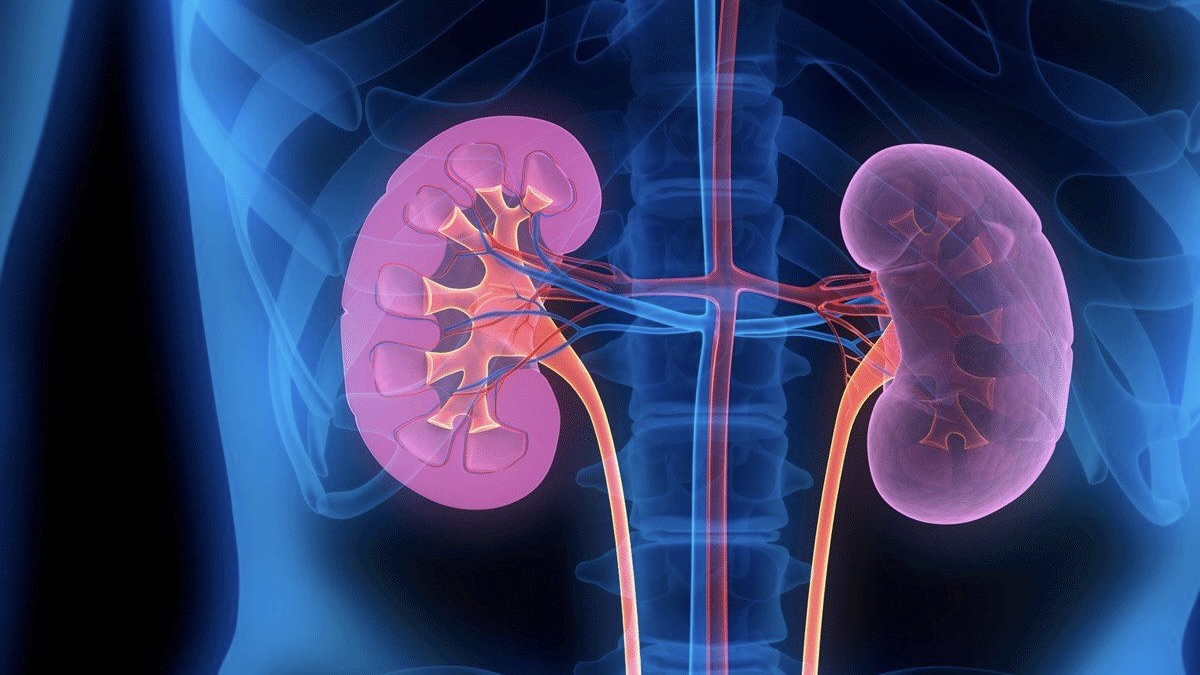
Prolonged occupational heat exposure and recurrent dehydration as emerging factors associated with chronic kidney disease. (Wikimedia Commons)

Synopsis: A parliamentary panel wants every Indian aged 20 and above to undergo kidney function tests every six months, warning that chronic kidney disease can remain silent until significant damage occurs. It flags rising undiagnosed hypertension and painkiller use among younger people, and calls for eGFR and urine albumin testing alongside creatinine.
Chronic kidney diseases can hide. It can progress for years without symptoms, while kidney function keeps declining underneath. By the time most patients notice something wrong, they may have already lost function they cannot get back. A parliamentary committee has now asked the government to act on that gap.
The Department-related Parliamentary Standing Committee on Health and Family Welfare has recommended mandatory kidney function tests every six months for everyone aged 20 and above. It wants the tests to run free for people below the poverty line, and at a nominal cost for everyone else, under the National Programme for Prevention and Control of Non-Communicable Diseases.
“CKD remains largely asymptomatic during its early stages and is therefore frequently diagnosed only after significant and irreversible loss of kidney function has occurred,” the committee states.
The committee does not point only to disease numbers. It points to a shift in how young Indians live and medicate themselves.
“The Committee notes with serious concern the indiscriminate use of pain killers by the young generation who are inclined towards sedentary life style and associated risks,” the report says.
It also flags a rise in undiagnosed hypertension among younger people. The panel calls this the “silent onset” of kidney disease and says the trend is “now assuming epidemic proportion.”
Screening already exists under the NP-NCD programme. But the committee finds the current system depends almost entirely on people walking into an Ayushman Arogya Mandir on their own. It calls this “occasional approach intervention” and says it “does not ensure periodic screening of all high-risk individuals,” leaving diagnosis delayed and chances for early treatment missed.
The report calls CKD a silent disease throughout. Kidneys keep working even after losing a large share of their capacity, so damage builds quietly until it reaches a stage that forces medical attention.
Many patients only present once the disease has advanced far enough to require dialysis or transplantation. The committee argues that routine screening changes this: it catches the disease while treatment can still slow it down.
India still leans on serum creatinine as its main kidney test. The committee flags a limit in that approach.
“Serum creatinine often remains within the normal range until nearly half of the kidney function has already been lost,” the report states.
Experts who briefed the committee recommended a wider test instead: estimated glomerular filtration rate (eGFR) combined with urine albumin testing, rather than creatinine alone.
The committee wants every kidney function test to include eGFR alongside urine albumin or protein testing, followed by referral where needed.
It also wants labs to calculate and report eGFR automatically whenever they run a serum creatinine test, in both public and private facilities. Patients should not have to ask for it separately or pay extra for it.
The committee believes this step alone would speed up detection and get patients into treatment sooner.
Also Read: From 2,324 to 70,000 cases: Kerala’s mumps surge raises fresh questions on vaccine strategy
Alongside the twice-yearly test for adults, the committee names groups that need regular screening because they carry higher risk already: people with diabetes or hypertension, adults over 60, people with a family history of kidney disease, people who use tobacco or carry excess weight, and people with a history of kidney injury, repeated urinary infections or kidney stones.
It adds people who take NSAIDs or other kidney-affecting medicines over long periods.
For people with diabetes or hypertension, the committee recommends kidney testing every year. It also calls for targeted screening among farm workers and other outdoor labourers in regions linked to Chronic Kidney Disease of Unknown Etiology, naming Andhra Pradesh, Odisha and Karnataka specifically.
India already runs CKD screening under NP-NCD. The Ministry told the committee that Ayushman Arogya Mandirs screen people aged 30 and above for major non-communicable diseases, with kidney testing reserved for those flagged as high risk.
The committee found the rollout uneven across states, shaped by gaps in infrastructure, trained staff, diagnostic equipment and referral systems. It wants one national screening protocol instead, applied uniformly across every primary health facility, including Ayushman Arogya Mandirs.
The committee ties early detection directly to cost.
“Screening, therefore, represents one of the most cost-effective public health interventions for reducing the overall burden of CKD,” it states.
Advanced CKD requires dialysis, transplantation and treatment for multiple complications, all of which cost more than catching the disease early. The committee treats prevention as the cheaper path, for patients and for the health system.
If the government adopts this recommendation, it changes how India screens for kidney disease. Testing would move from targeting only high-risk groups to covering every adult from age 20, on a fixed schedule.
The committee also wants digital records that follow each patient over time, tracking kidney function as it changes and supporting long-term care and policy planning.
(Edited by Fayisa CA)



