

Published Apr 26, 2026 | 7:07 AM ⚊ Updated Apr 26, 2026 | 7:07 AM

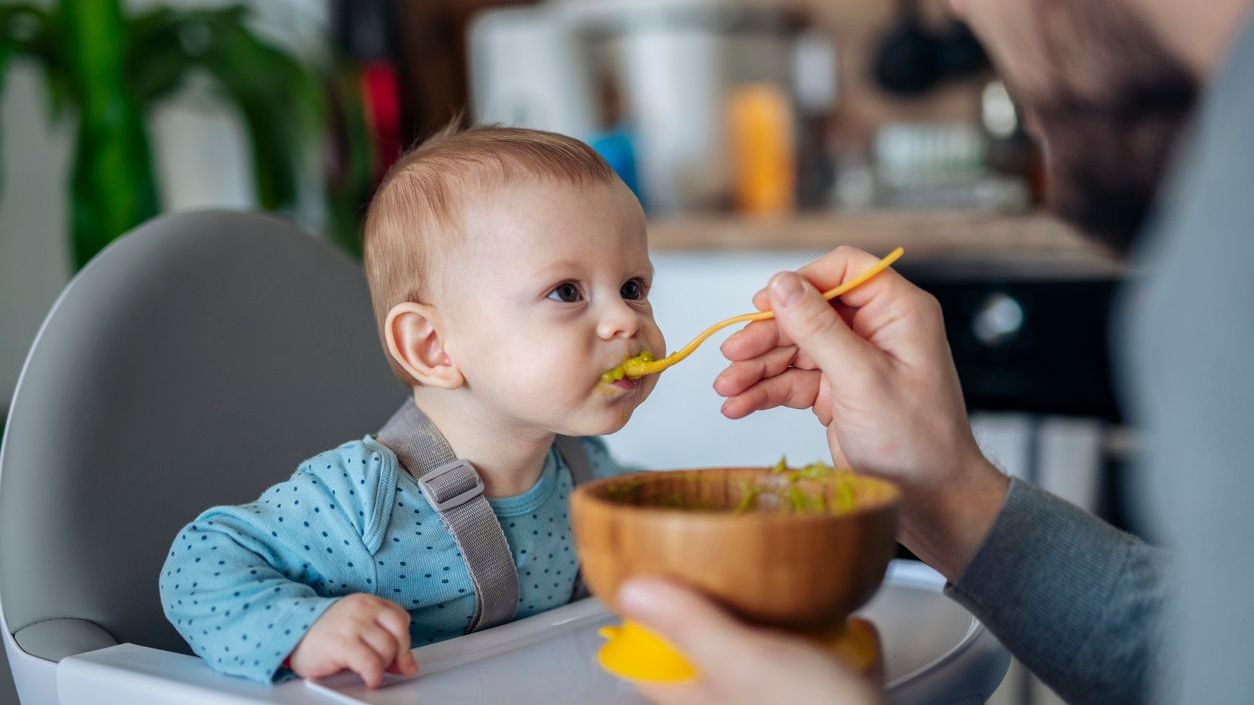
A father spoon feeding his son. (iStock)

Synopsis: Adding salt or sugar to a baby’s food in the first year can shape their taste preferences early and make them favour stronger flavours. Doctors say sticking to natural foods helps build healthier eating habits over time.
A pinch of salt in ragi seri (porridge). A little jaggery for taste. These are common suggestions many Indian parents hear when starting solids for their babies.
However, paediatric experts warn that adding salt or sugar too early may shape a baby’s eating habits in ways that last far beyond infancy.
Doctors said the concern is less about immediate harm and more about how early flavours influence a child’s preferences — potentially increasing the likelihood of craving sweet or salty foods later in life.
Also Read: Not all body odour is about hygiene – here’s what else it can be
The first year of life is a critical period for introducing babies to different foods and flavours.
“Children begin to develop unhealthy taste preferences. They start preferring sweet or salty foods, and this can shape their eating habits early,” Dr Mounica Reddy M, Consultant Pediatric Endocrinologist, Ankura Hospital, Hyderabad, told South First.
During the complementary feeding stage — when babies transition from milk to solid foods — parents have the opportunity to expose them to natural tastes such as fruits, vegetables, grains and pulses.
According to Dr Nisha Miriam George, Senior Consultant, Paediatrics & Neonatology, MGM Healthcare, Chennai, this phase helps babies become familiar with a wide range of flavours before eating regular family meals.
“If you expose children to a variety of fruits and vegetables in a gradual progression in that time frame, they are less likely to become fussy,” she told South First.
This means that avoiding added salt and sugar early on may help babies accept healthier foods more easily later.
Experts said the main issue is not that a tiny amount of salt or sugar causes immediate danger, but that repeated exposure can train babies to expect stronger flavours.
“If children are given simple, natural foods in the first two years, they are more likely to accept a wide variety of foods, including vegetables and home-cooked meals,” said Dr Mounica.
However, when sweet or salty tastes are introduced regularly, babies may begin rejecting plain foods.
“For example, if a child is given chapati with something sweet like honey initially, they may refuse to eat it with vegetables later and expect only sweet accompaniments,” she said.
This early taste conditioning, doctors say, can influence food choices for years.
While many parents assume babies must avoid salt and sugar because their bodies cannot process them, doctors said the evidence is less straightforward.
Dr Nisha noted that the concern is more about shaping taste than about major differences in how babies metabolise salt and sugar.
“The reason people keep saying don’t give salt, don’t give sugar is the introduction of taste to the baby,” she said.
In other words, the first year is considered a training period, where babies learn what food tastes like, and those early experiences can influence what they prefer later.
Also Read: How late diagnosis keeps India’s breast cancer patients from fighting back
Even if the immediate metabolic risk is not the main issue, experts say delaying salt and sugar has long-term benefits.
“Early exposure to sugar or jaggery increases the risk of overweight and obesity from a very young age, which can continue into later life,” said Dr Mounica.
The goal is to let babies appreciate natural flavours first, rather than developing a preference for sweetness or saltiness too early.
By the age of one, babies gradually begin moving toward regular family foods, but the foundation built during the first months of complementary feeding can influence those choices.
How parents can make food tasty — without salt or sugar
Doctors advise focusing on the natural taste of foods instead of trying to enhance flavour with sugar or salt.
Good options include:
Natural sweetness from fruits is enough to make food enjoyable for babies without creating dependency on added sugar.
The idea, doctors say, is simple: let babies learn what real food tastes like.
What parents should remember
Do:
Don’t:
(Edited by Muhammed Fazil.)



