

Published Apr 21, 2026 | 7:31 AM ⚊ Updated Apr 21, 2026 | 7:31 AM

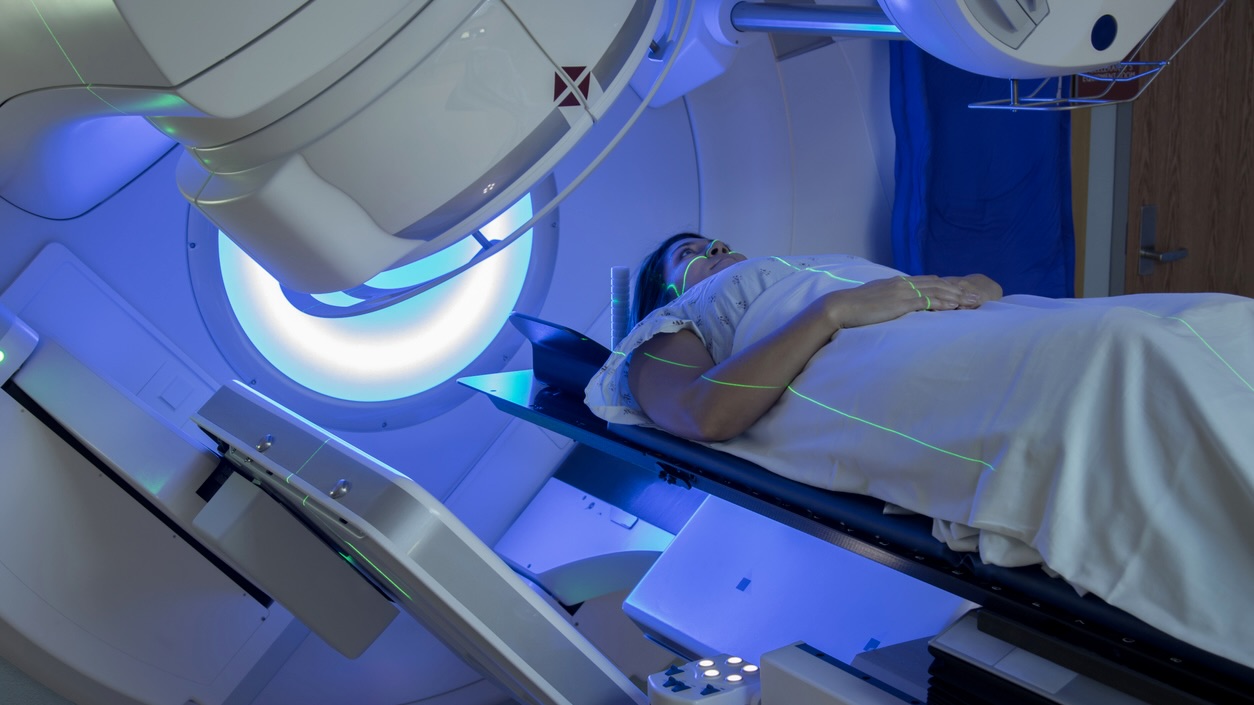
Once breast cancer spreads to distant organs or bones, it is classified as metastatic disease.

Synopsis: Around one in eight women with breast cancer in India are diagnosed only after the disease has spread, more than double the global average, a study of over 76,000 patients found. The study shows that larger tumours are more likely to be linked to metastasis. Despite wider screening and awareness, late diagnoses have increased, which shows that the burden of disease is growing faster than the systems meant to detect it early.
Around one in eight women diagnosed with breast cancer in India reach hospital only after the disease has spread to other parts of the body, according to a study in The Lancet Regional Health – Southeast Asia. The rate—12.96 percent—is more than double the global average of 6 percent.
Researchers at the ICMR–National Institute of NCD Epidemiology in Bengaluru analysed data from 76,356 women over 11 years, from 2009 to 2020. The study shows a significant burden of late-stage diagnosis, where cancer has spread beyond its original site.
Once breast cancer spreads to distant organs or bones, it is classified as metastatic disease. At this stage, treatment is more complex because the body is no longer dealing with a single tumour but multiple sites.
For many women, this begins with a delayed hospital visit: they arrive only after symptoms worsen and the cancer has advanced.
Breast cancer in India has already displaced cervical cancer as the most common cancer among women. In 2020, it accounted for 13.5 percent of all newly diagnosed cancers in the country.
In this study, bones were the most common site of metastasis, accounting for one in four cases among patients whose cancer had already spread. Other common sites included the lungs, liver and brain.
At this stage, the goal of treatment changes. It is no longer about cure, but control.
“Metastatic disease at diagnosis remains a major concern and shows delays in detection and treatment,” the study states.
This brings a significant burden for patients: longer treatment timelines, higher costs, and a body that no longer functions as it once did.
Researchers tested what drives this late diagnosis. They expected familiar culprits—age, income, pre-existing illness—but did not find them.
The tumour itself predicted metastasis.
Women who arrived with tumours between 5 and 10 centimetres faced nearly three times the risk of cancer that had already spread. Those with tumours between 10 and 20 centimetres faced close to four times the risk. The cancer had been growing long before anyone examined it.
A 5 cm tumour is roughly the size of a lime. A 10 cm tumour is closer to a grapefruit.
Age did not emerge as a risk factor. Nor did comorbidities or hormone receptor status.
“These results show that demographic characteristics play a secondary role in metastasis, with tumour-related factors as the primary determinants,” the authors write.
Women treated in private hospitals were half as likely to receive a metastatic diagnosis as those in government hospitals, the study found.
Women in NGO-run hospitals fared even better, with less than a third of the risk.
“Differences in hospital type may reflect variations in access to diagnostic services and care pathways,” the authors said.
This points to a structural gap. In many public healthcare settings, limited infrastructure and longer wait times give the disease more time to progress before a doctor intervenes.
Dedicated cancer centres showed a higher rate of metastatic diagnoses than general hospitals, likely because specialised facilities run more complete staging investigations and detect spread that other hospitals miss.
The most troubling finding was this: women diagnosed between 2015 and 2020 were 15 percent more likely to present with metastatic disease than those diagnosed between 2009 and 2014.
Awareness campaigns spread during this period. Screening programmes expanded. Yet the proportion of late diagnoses increased, most likely because the burden of breast cancer grew faster than the systems built to catch it early.
The researchers also ran a random forest model, a machine learning technique that tests thousands of combinations of variables to find patterns that manual analysis may miss.
It confirmed the regression results. Supraclavicular node involvement—when cancer spreads to the lymph nodes just above the collarbone—ranked as the strongest predictor of metastasis.
Tumour size followed, then skin involvement, then lymphovascular invasion, when cancer cells enter the blood or lymph vessels near the tumour.
Receptor status, a biological marker that guides treatment decisions, ranked high in the model even though it did not reach significance in the statistical analysis. The authors say this is because receptor status may act through interactions with other clinical factors rather than alone.
The researchers identify three gaps.
Screening needs to reach further into communities. Referral pathways need to move faster, especially from primary health centres to specialised care. Government hospitals need stronger diagnostic infrastructure.
“Strengthening early detection through expanded community-based breast screening and streamlined referral pathways from primary and district hospitals to specialised cancer centres is therefore critical,” the authors write.
They also point to a data gap. A large share of records in the study had missing information on tumour grade, receptor status, and comorbidities.
Better registry data would help India track how the disease moves and where interventions work.



