

Published Aug 07, 2026 | 7:00 AM ⚊ Updated Aug 07, 2026 | 7:00 AM

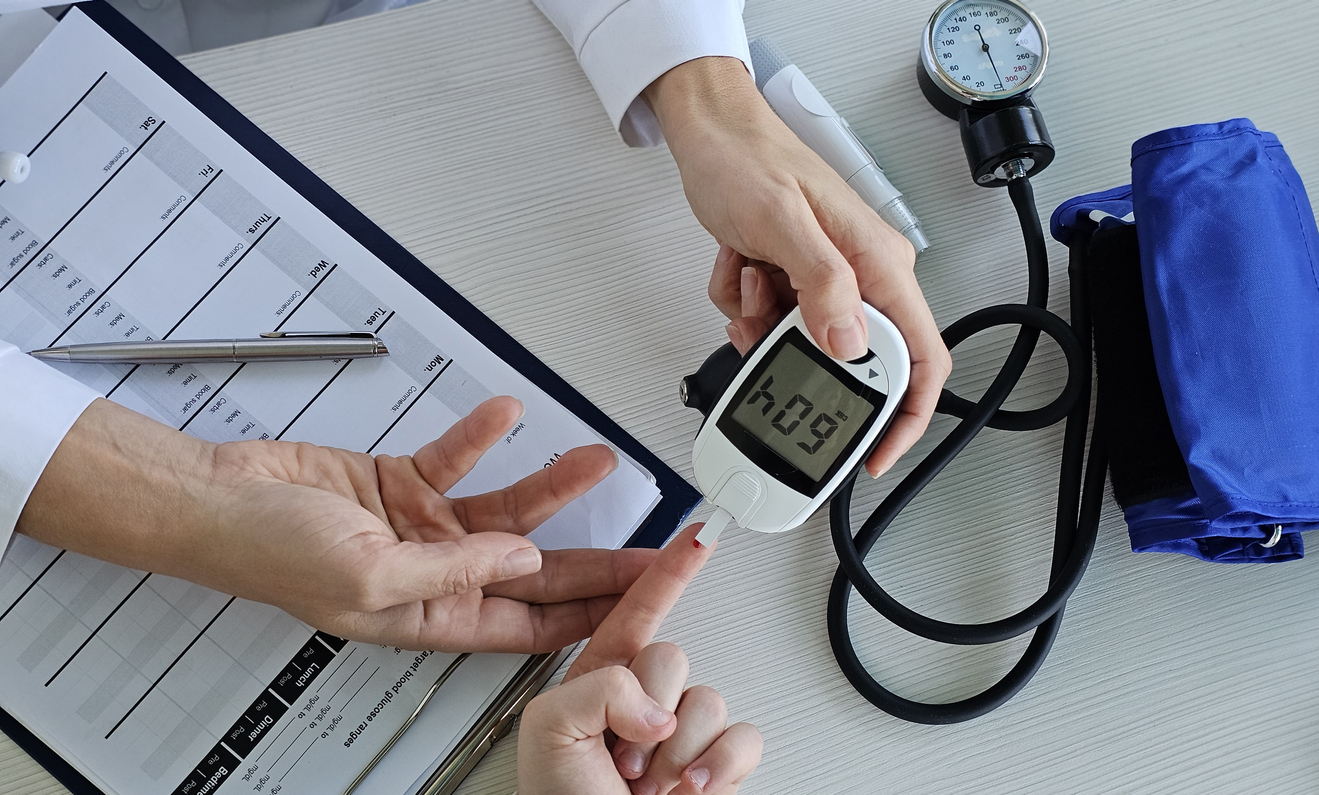
Nearly two-thirds of people with diabetes in the study already knew they had the disease.

Synopsis: Researchers in rural Karnataka tested whether the decades-old “rule of halves”, traditionally used for hypertension, also applies to diabetes. The study found one-third of people with diabetes were unaware of their condition, while only about half of treated patients had adequate blood sugar control, highlighting persistent gaps in diabetes care.
For decades, the “rule of halves” has been a simple way for public health experts to explain why so many people with chronic diseases continue to slip through the cracks. First proposed for hypertension in the early 1970s, the concept paints a sobering picture: only about half of those living with a disease know they have it, only half of those diagnosed receive treatment, and only half of those treated achieve adequate control.
Now, researchers from Karnataka say the same pattern appears to apply to diabetes.
A community-based study conducted in a rural area of Dakshina Kannada district found that although awareness and treatment rates were better than what the original rule predicts, only about half of those receiving treatment had their blood sugar under control. The findings suggest that while diagnosis and access to medicines have improved, achieving good diabetes control remains a major challenge.
The “rule of halves” was introduced in 1972 by Wilber and Barrow to describe gaps in hypertension care. It proposed that among all people living with high blood pressure, only half are diagnosed, only half of those diagnosed are treated, and only half of those treated have their blood pressure adequately controlled.
Although healthcare systems have evolved considerably over the past five decades, the rule continues to be used as a simple public health framework to assess how effectively chronic diseases are being detected and managed.
Researchers from Yenepoya Medical College wanted to find out whether diabetes, another lifelong condition requiring continuous monitoring and treatment, follows the same pattern.
Also Read: Karnataka plans India’s first public health programme for menopause care, expert panel formed
The study was carried out between March and September 2023 in Lakshmi Gudde, a rural community in Dakshina Kannada district. Researchers visited households and enrolled 532 adults aged 18 years and above, collecting information through questionnaires and measuring glycated haemoglobin (HbA1c), an indicator of long-term blood sugar levels.
The survey found that 31.4% of participants had diabetes.
Among those identified with diabetes, 63.5% already knew they had the disease. Of those who were aware, 88.7% were taking treatment, while 52.1% of treated individuals had their blood sugar under adequate control, defined as an HbA1c level of 7% or below.
Based on these findings, the researchers concluded that the rule of halves broadly applies to diabetes as well.
“The overall findings of the study reveal that the ROH applies to diabetes mellitus,” the authors wrote.
“The ROH applicability does not mean a perfect fit of 50% in all three proportions, rather it means that overall, these three proportions are close to 50%.”
One of the encouraging findings was that awareness of diabetes appeared better than what earlier Indian studies have reported.
Nearly two-thirds of people with diabetes in the study already knew they had the disease. The researchers noted that this proportion was higher than estimates from previous national studies. They attributed this to relatively better literacy, a stronger healthcare system in the district, and the presence of a nearby medical college.
Treatment rates were also encouraging.
Almost nine out of every 10 people who were aware of their diagnosis were taking anti-diabetic medicines. While the researchers said this figure should ideally be 100%, they described it as satisfactory for a developing country and suggested that further improvements are still needed.
Yet treatment did not necessarily translate into disease control.
“About 52.1% of the diabetics taking the treatment had adequate control, which is the third component of the ROH,” the researchers wrote.
“This parameter is rather disappointing and concerning as approximately half of the individuals undergoing treatment did not have their blood sugars under control, leaving them vulnerable to potential diabetes complications in the future.”
The authors also highlighted a broader concern. When all people with diabetes in the study were considered, regardless of whether they were receiving treatment, only 29.3% had adequately controlled blood sugar levels.
The study suggests that one reason for poor blood sugar control may be an over-reliance on medicines without sufficient emphasis on lifestyle changes.
Among people who already knew they had diabetes, only about one-quarter reported following a combination of medication, dietary modifications and regular physical activity. Others relied primarily on medicines or followed only some of the recommended measures.
“A major reason for poor blood sugar control appears to be reliance on medication modality only and neglecting diet, exercise, and other control measures,” the authors wrote.
“It might be possible that healthcare providers have not sufficiently explained the importance of diet and exercise control to all diabetic patients.”
The researchers added that further studies are needed to better understand why such a large proportion of patients remain inadequately controlled despite being on treatment.
Also Read: Kerala, TN remain India’s leptospirosis hotspots, South accounts for over half of cases
While the study found relatively good treatment uptake, it also revealed that more than one-third of people with diabetes were unaware they had the disease until researchers screened them.
According to the authors, this reinforces the need to strengthen opportunistic screening and encourage regular diabetes testing, particularly because untreated diabetes can silently damage the heart, kidneys, eyes and nerves for years before symptoms appear.
“The big picture tells us that many diabetic individuals are still not aware of their disease; if people know that they have diabetes, they usually take the treatment chiefly focusing on medication, and the control of blood sugar levels is still a major challenge,” the paper noted.
The researchers recommend expanding diabetes screening programmes while placing greater emphasis on counselling patients about medication adherence, healthy eating, regular physical activity, follow-up visits and routine blood sugar monitoring.
(Edited by Fayisa CA)



