

Published May 11, 2026 | 2:58 PM ⚊ Updated May 11, 2026 | 2:58 PM

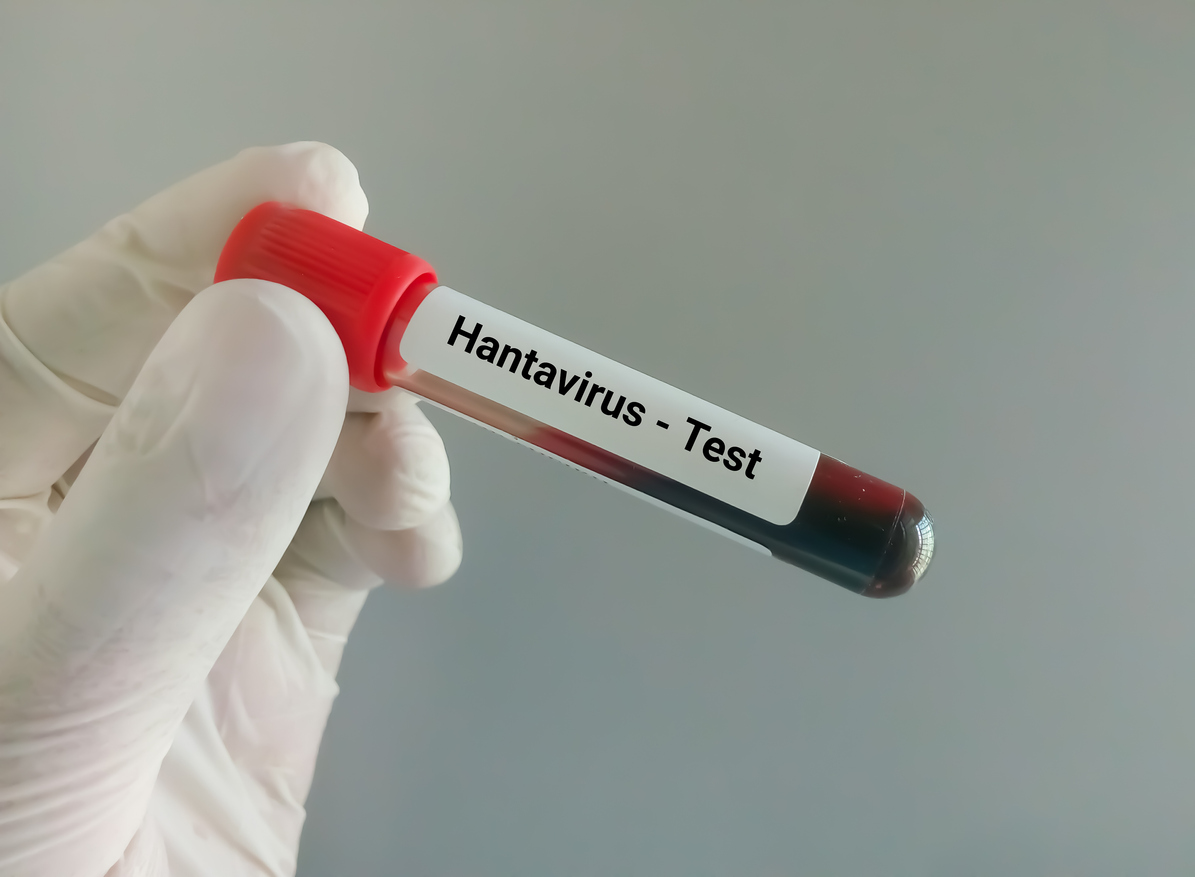
Representational image. Credit: iStock

Synopsis: Two Indian crew members aboard the Dutch vessel MV Hondius were evacuated to the Netherlands for quarantine after a Hantavirus concern near Spain’s Canary Islands. Both remain healthy and asymptomatic, according to the Indian Embassy. Experts stress the overall public health risk is low, as Hantavirus is rodent-borne, rarely spreads person-to-person, and prevention relies on sanitation and pest control.
Two Indian crew members aboard the Dutch-flagged vessel MV Hondius have been evacuated to the Netherlands for quarantine after the ship arrived near Spain’s Canary Islands amid concerns linked to Hantavirus outbreak, according to a press release issued by the Embassy of India.
The ship, carrying around 150 people including the two Indian crew members, stopped near Spain’s Canary Islands on Saturday.
The Embassy said passengers onboard disembarked “in accordance with the protocol established by WHO and Spanish authorities” following the Hantavirus-related health concern.
The Embassy said the two Indian crew members are “healthy and asymptomatic.” It added that, according to Spain’s emergency coordination agency CENEM, the two Indians have been taken to the Netherlands for quarantine as a precautionary health measure.
Also Read: ‘This is not the next Covid,’ Dr Rajeev Jayadevan on the Andes hantavirus outbreak aboard MV Hondius
The Embassy also said the Indian Ambassador is “in close contact with the Spanish authorities and the 02 Indian nationals” and is regularly monitoring the situation to ensure the safety and well-being of the crew members.
No further health complications involving the Indian nationals have been reported so far.
The incident has once again drawn attention to Hantavirus infections, even as experts maintain that the overall public health risk remains low.
Dr. Nidhin Mohan, Senior Consultant, Internal Medicine, at Narayana Health City, Bengaluru, explained to South First that Hantavirus is a group of viruses mainly transmitted through infected rodents, particularly through their urine, saliva, or droppings.
“People can become infected by inhaling contaminated particles in the air, especially in places with poor ventilation,” he said.
According to Dr. Mohan, some strains of the virus can cause Hantavirus Pulmonary Syndrome (HPS), a serious respiratory illness, while others may affect kidney function.
“Although cases are rare, the infection can become severe if not recognized early,” he noted. Symptoms can include fever, fatigue, body aches, and breathing difficulty after exposure to rodents or contaminated areas.
He stressed that there is currently no indication of a major Hantavirus outbreak threat in India. However, he pointed out that rodent-borne infections can occur anywhere if sanitation and pest control are poor.
“India has a large rural and urban population that may come into contact with rodents, so monitoring and awareness are crucial,” he added.
The doctor also underlined that most strains of Hantavirus do not spread easily from person to person, significantly reducing the risk of widespread transmission.
Also Read: Hantavirus outbreak sparks concern, experts say India faces low risk
According to Dr. Nidhin Mohan, people can reduce the risk of Hantavirus infection by following simple hygiene and safety measures:
● Avoid contact with rodents and keep homes and storage spaces clean.
● Store food properly and do not directly touch rodent urine or droppings.
● Wear gloves and masks while cleaning places that may be contaminated, and air out closed spaces before cleaning them.
● Good sanitation and pest control are the best ways to reduce the risk of infection.
● There is currently no specific treatment for Hantavirus, so early medical care is important, especially if symptoms become severe.



