

Published May 10, 2026 | 9:25 AM ⚊ Updated May 10, 2026 | 9:25 AM

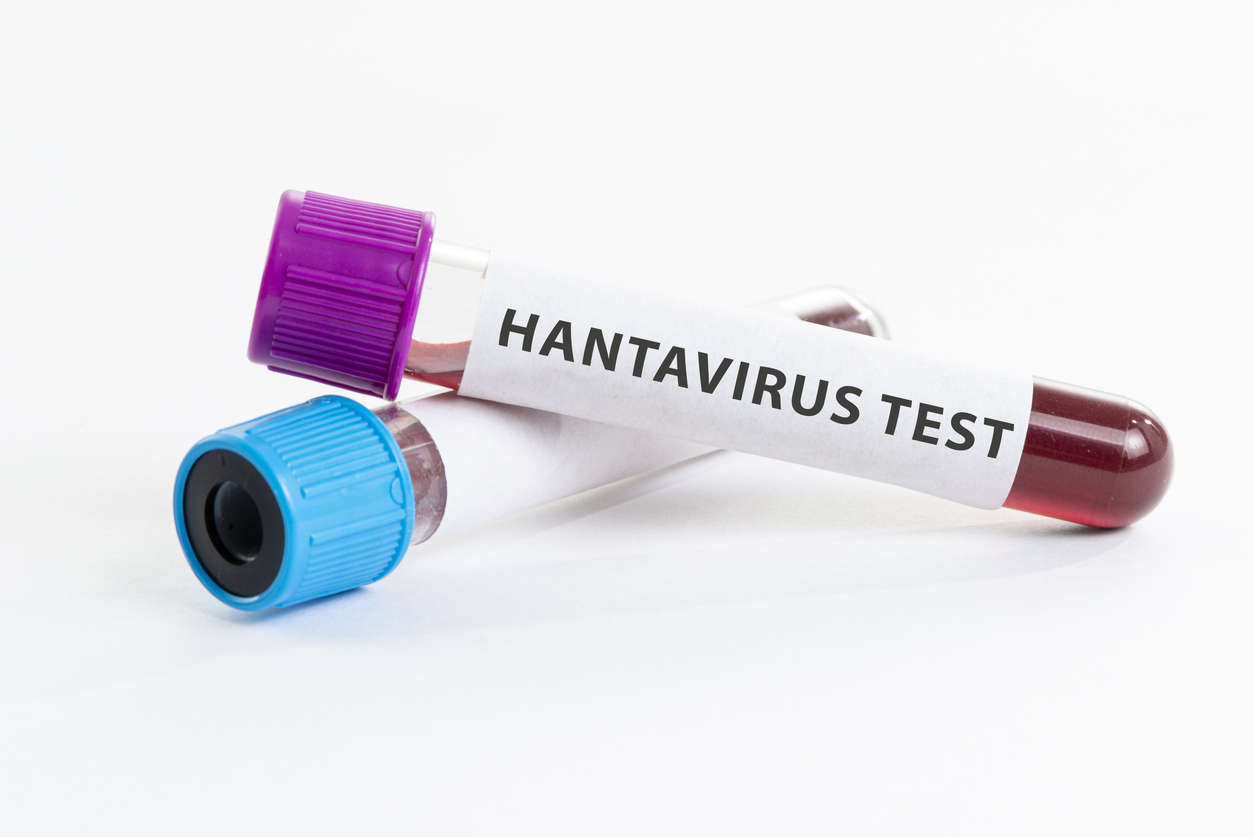
Hantavirus. (iStock)

Synopsis: Experts said the hantavirus outbreak linked to a cruise ship does not pose an immediate threat to India, but caution and surveillance remain important. They stressed that the virus spreads mainly through rodent exposure and is unlikely to spread widely among humans.
Amid global attention on a hantavirus outbreak linked to a cruise ship carrying passengers from multiple countries, experts said India does not face an immediate public health threat, though vigilance and awareness remain important.
“Hanta virus is mainly transmitted through contact with wild and non-domesticated rodents. Not generally found in human dwellings. So, people in Indian cities are not at risk of acquiring the virus,” Dr Surendran R, Consultant, Infectious Disease, SIMS Hospital, Chennai, told South First.
Also Read: What is Hantavirus, which killed three people on a cruise ship?
The outbreak has raised concern globally because of the confined setting in which the infections were reported. Public health experts said cruise ships can create conditions that allow infections to spread more easily among passengers in close contact.
“The hantavirus outbreak reported from a cruise ship, likely of the Andes variant of this virus, provides an object lesson in the problems that such outbreaks pose in this modern, hyper-connected age,” Dr Gautam Menon, Epidemiologist and Professor of Physics and Biology, Ashoka University, Delhi-NCR, told South First.
“What we know so far suggests that the virus has spread directly between humans,” Dr Menon said, adding that the ship carried around 150 passengers from 23 countries who spent several days in proximity during the voyage.
He pointed out that while hantavirus is generally not believed to spread very efficiently between people, it might have been transmitted easily in the enclosed environment that the ship provided.”
Dr Menon also noted that the infection has a relatively high mortality rate and currently resembles a limited outbreak rather than a rapidly expanding public health emergency.
However, experts said the current situation does not indicate widespread risk for the Indian public, particularly in urban settings.
Director of the ICMR-National Institute of Virology (NIV), Dr Naveen Kumar, said the reported hantavirus cases involving two Indian nationals aboard the cruise ship appear to be isolated, and there is “no immediate public health threat to India”, reported PTI.
He also said there is currently no evidence of community spread and stressed that hantavirus, unlike COVID-19, does not spread easily between humans.
“India has adequate diagnostic capacity through the nationwide Viral Research and Diagnostic Laboratory network,” NIV noted.
Dr Surendran added that rodents commonly seen in ships, warehouses and poorly maintained storage spaces are not typically associated with this particular strain linked to the cruise ship outbreak.
He said the virus generally spreads through exposure to rodent secretions, urine and droppings rather than routine human interaction.
Echoing this cautious but reassuring approach, Dr Menon said global health agencies, including the World Health Organisation, currently believe the outbreak is unlikely to expand significantly.
“From all we know, and the WHO has provided similar guidance, this outbreak is unlikely to expand further,” he said.
Experts said awareness and basic hygiene remain the best defence against rodent-borne diseases, especially during periods of flooding and poor sanitation.
“Although Hanta virus strains have been seen in rodents in India, human cases are rare,” Dr Surendran said. “The risk comes from contact with rodent secretions, urine and droppings.”
He advised people to avoid direct exposure to rats and rodent-infested areas, particularly during the monsoon and flood season when rodents may enter homes and storage spaces.
“In general, it’s safe to avoid contact with rats, particularly during monsoon/floods to protect from diseases like leptospirosis,” he said.
Dr Menon also cautioned that the long incubation period of hantavirus may complicate monitoring efforts. “Incubation periods — the time between getting infected and symptoms showing — are large, up to several weeks,” he said, adding that exposed passengers and their contacts may need prolonged observation before they can be declared safe.
For now, doctors stress that the outbreak requires vigilance but does not pose a major public health threat to India.
(Edited by Muhammed Fazil.)



