

Published Jun 02, 2026 | 8:00 AM ⚊ Updated Jun 02, 2026 | 8:00 AM

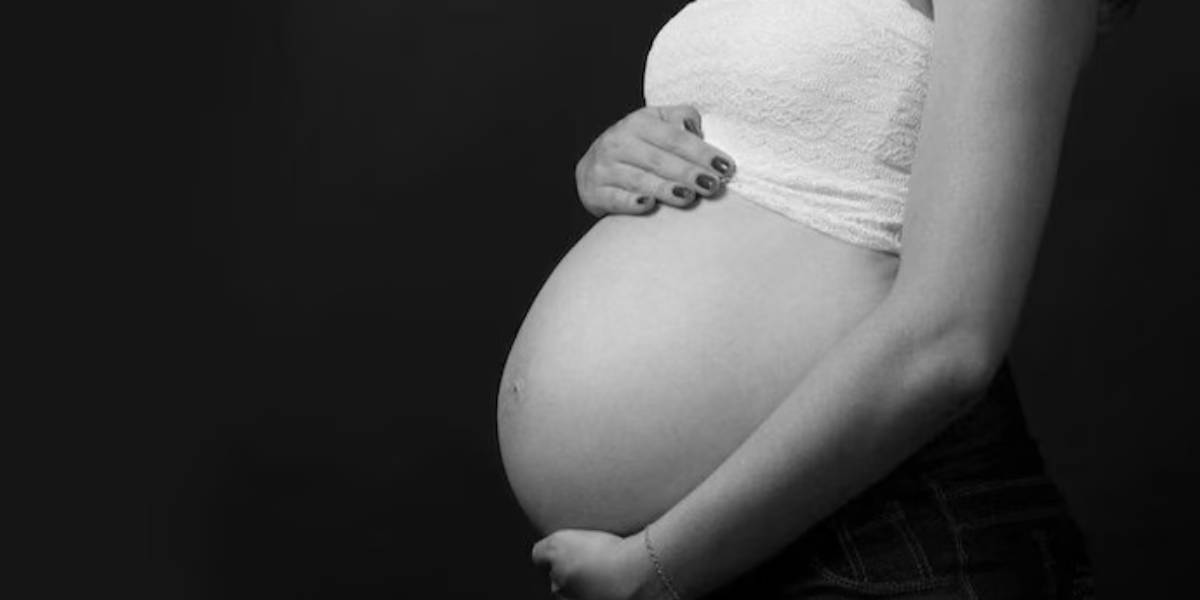
Researchers found hypothyroidism to be the single largest contributor, accounting for 26.1 percent of high-risk pregnancies.

Synopsis: A recent Tamil Nadu government study has found that more than one in three pregnancies in Chennai’s urban fringes were classified as high-risk, with thyroid disorders, gestational diabetes and previous C-sections emerging as the leading contributors. Doctors say the findings reflect a growing shift from traditional pregnancy complications to lifestyle- and metabolism-related conditions among younger women.
More than one in three pregnancies registered between April 2024 and March 2025 in Poonamallee Health Unit District (HUD), a public health zone covering Poonamallee, Avadi and surrounding urban and peri-urban areas in Tiruvallur district, were classified as high-risk, according to a study published in the latest issue of the Tamil Nadu Journal of Public Health and Medical Research.
The study, based on data from 9,426 pregnancies recorded in the State’s Pregnancy and Infant Cohort Monitoring and Evaluation (PICME) system, found that 3,593 pregnancies—38.1 percent of the total—involved one or more serious maternal risk factors.
Researchers found hypothyroidism to be the single largest contributor, accounting for 26.1 percent of high-risk pregnancies, followed by previous lower segment caesarean section (LSCS) deliveries (18.4 percent), gestational diabetes mellitus (10.2 percent), and pregnancy-induced hypertension (6.7 percent).
Nearly one-third of the women identified as high-risk had two or more coexisting conditions.
Also Read: Tamil Nadu’s rivers are carrying plastic into the sea — and possibly back onto people’s plates
The study, conducted by researchers from the Directorate of Public Health and Preventive Medicine, found that high-risk pregnancies were more prevalent in Avadi’s urban areas, which accounted for 53 percent of cases, compared with 47 percent in Poonamallee.
Most high-risk pregnancies were reported among women aged 25 to 29 years.
Doctors say the findings reflect a broader shift in maternal health patterns, particularly in urban and peri-urban populations.
“Over the last decade, we have seen a transition in the profile of high-risk pregnancies,” said Dr Dhivya Sharona, Consultant in Obstetrics and Gynaecology at Rela Hospital, Chennai, speaking to South First.
“Earlier, complications such as severe anaemia, infections and obstructed labour were more common. Today, metabolic and endocrine conditions such as hypothyroidism, gestational diabetes, obesity and hypertension are increasingly prevalent.”
The study also pointed to a growing burden of non-communicable diseases among women of reproductive age in Tamil Nadu.
Referring to NFHS-5 data, the researchers noted that 26.4 percent of women in the State had a body mass index above 25, while 9 percent had elevated blood sugar levels or were taking medication for diabetes.
According to the study, hypothyroidism alone accounted for more than one-fourth of all high-risk pregnancies. Doctors say this may partly be due to improved antenatal screening, but also reflects a genuine rise in metabolic disorders among younger women.
“Yes, we are seeing a rise in thyroid disorders among women of reproductive age, particularly hypothyroidism. Multiple Indian studies and NFHS data suggest that metabolic and endocrine disorders are becoming more common, especially in urban populations,” said Dr Uthra, Consultant at Dr Mohan’s Diabetes Specialities Centre, Chennai.
Hypothyroidism, a condition in which the thyroid gland does not produce enough hormones, can affect both maternal and foetal health if left untreated.
Dr Uthra told South First that untreated thyroid dysfunction during pregnancy could increase the risk of miscarriage, preeclampsia—a pregnancy complication marked by high blood pressure—low birth weight, and developmental issues in babies.
The study found that gestational diabetes mellitus was present in 10.2 percent of high-risk pregnancies, while 32.2 percent of women had multiple coexisting risk factors.
“Compared with a decade ago, many women are entering pregnancy with pre-existing metabolic vulnerabilities that were previously less common or less frequently diagnosed,” Dr Uthra said.
She added that obesity, insulin resistance, PCOS, delayed pregnancies and sedentary lifestyles were increasingly contributing to pregnancy complications.
The study also highlighted a high caesarean section rate among high-risk pregnancies. Of all high-risk deliveries recorded, 64.5 percent were conducted through caesarean section, while 34.3 percent were normal vaginal deliveries.
Researchers said the higher rate was expected given the nature of the study population, which exclusively comprised high-risk pregnancies. Previous LSCS deliveries, gestational diabetes and hypertensive disorders were among the major factors associated with surgical deliveries.
“A high caesarean section rate among high-risk pregnancies is not entirely unexpected because many women already have health conditions that can make normal delivery difficult or risky,” said Dr Dhivya Sharona.
She added that factors such as previous C-sections, pregnancy complications and advanced maternal age often lead doctors to take a more cautious approach during delivery.
The study further found that live births accounted for 99.7 percent of outcomes, while stillbirths accounted for 0.3 percent. Low birth weight was observed in 15.6 percent of newborns.
The researchers noted that Tamil Nadu’s maternal health burden is increasingly shifting from traditional obstetric emergencies to chronic medical conditions that complicate pregnancy.
They called for stronger antenatal risk stratification, the integration of non-communicable disease screening into routine antenatal care, and timely referral systems.
The findings also underscore the role of Tamil Nadu’s public health infrastructure in the early detection and monitoring of high-risk pregnancies.
The study noted that many women classified as high-risk were identified through systematic antenatal screening under the State’s Pregnancy and Infant Cohort Monitoring and Evaluation (PICME) system, which tracks maternal and infant health data.
Doctors say early screening and lifestyle interventions before pregnancy could play a key role in reducing complications.
“Pregnancy often acts as a physiological stress test that unmasks underlying metabolic disease,” Dr Uthra said. She added that identifying risks early could improve long-term outcomes for both mothers and children.



