

Published May 27, 2026 | 8:00 AM ⚊ Updated May 27, 2026 | 8:00 AM

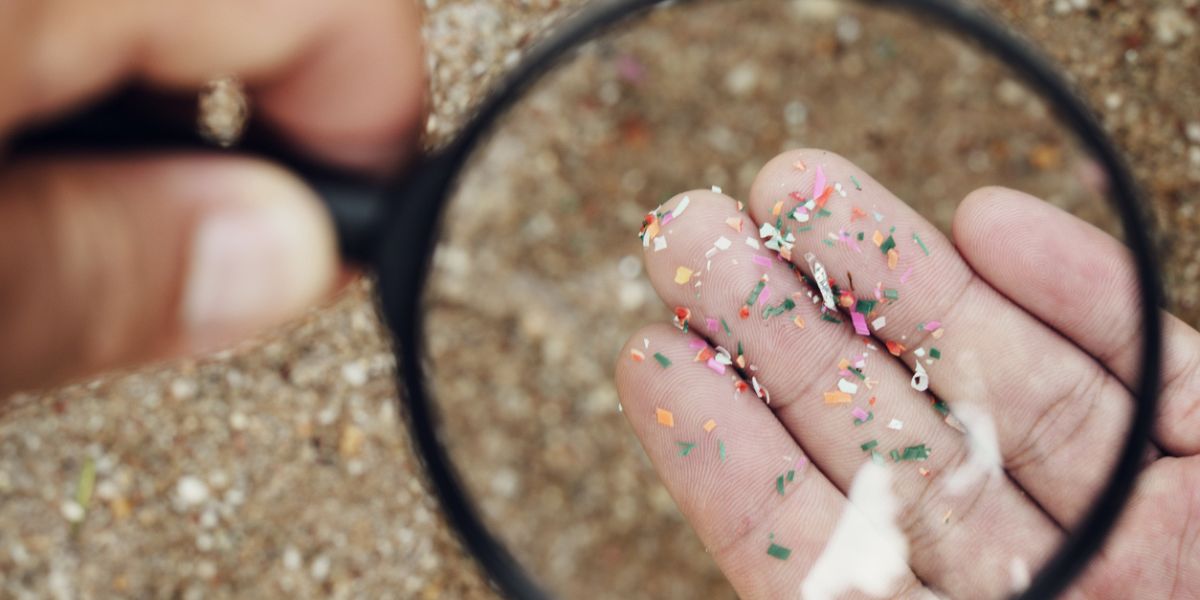
Microplastics. (iStock)

Synopsis: Microplastic pollution is heavily affecting Tamil Nadu’s coastal waters, especially in Thoothukudi and Muttukadu, due to plastic waste and urban runoff. Researchers warn these particles are entering the food chain through seafood, creating serious long-term health and environmental risks.
Tiny plastic particles flowing through Tamil Nadu’s rivers, canals and coastal waters are increasingly becoming a public health concern, with researchers warning that the pollution may already be entering the food chain through seafood consumed by coastal communities.
A recent study by researchers from the University of Rajshahi, Bangladesh, found alarming levels of microplastic pollution across parts of the Bay of Bengal coast, with more than 75 percent of the studied water sites crossing extreme pollution thresholds.
Tamil Nadu coastal regions, such as Thoothukudi and Muttukadu, emerged among the heavily contaminated locations.
The study identified sewage discharge, fishing waste, tourism activity and urban runoff as some of the major contributors to plastic contamination entering marine ecosystems.
These particles are consumed by marine organisms and enter the food chain through fish and shellfish eaten by people living along coastal regions.
Also Read: How chewing gum could be adding plastic to your diet
The study highlighted that rivers, estuaries and canals play a major role in transporting plastic waste from land into coastal ecosystems. It found that fibres and fragmented plastic particles were among the most common forms of microplastics detected across the Bay of Bengal coastal regions.
“Today’s microplastics are yesterday’s plastic,” said G Sundarrajan, member of Tamil Nadu’s climate change governing council and coordinator of Poovulagin Nanbargal. “It has entered the sea through rivers, canals and many other places, and now those plastics are breaking down into microplastics,” he explained to South First.
According to Sundarrajan, waterways such as Chennai’s Buckingham Canal and the Cooum River act as direct carriers of urban plastic waste into the Bay of Bengal.
“Whatever people throw along canal banks and riversides eventually gets carried into the ocean,” he said. “When floods happen, and rivers flow in full steam, they carry plastics directly into marine ecosystems.”
The study identified the Thoothukudi coast as one of the most polluted sites in water samples across the study area, while the Muttukadu backwater estuary recorded high levels of microplastics in sediments.
Researchers found that transparent and white plastic particles were the most dominant forms of pollution, commonly linked to packaging materials, plastic bags and other disposable products. Polyethene — a plastic widely used in packaging and single-use items — was the most frequently identified polymer in the study.
The researchers also observed that fishing gear, synthetic textile fibres and discarded packaging materials were among the major sources of contamination.
Statistical analyses in the study showed multiple pollution pathways linked to urban waste, fishing activity and coastal human settlements.
Researchers and environmental experts said the growing concern is not just about visible plastic waste along beaches, but about microscopic particles that are now spreading through water, marine organisms and possibly the human body.
“Microplastics are no longer just an environmental issue because they have already entered our bodies and surroundings. Even if plastic use stops tomorrow, its impact could remain for thousands of years,” researchers from the School of Environmental Studies and the Department of Marine Biology at the Cochin University of Science and Technology (CUSAT) told South First.
The researchers warned that microplastics and the toxic chemicals attached to them are increasingly entering the food chain through seafood and water.
“People still do not fully realise how dangerous microplastics can become over time,” they said.
Also Read: Kannur panchayat study warns of microplastic risk at Azhikkal estuary
Tamil Nadu’s existing restrictions on single-use plastics have failed to stop plastic waste from entering rivers and coastal ecosystems.
“Single-use plastic, which was banned in Tamil Nadu in 2019, still prevails in abundance,” Raju KK from the Chennai Wetlands Action Collective told South First. “There has been no real closure at the production level, and waste management continues as business as usual.”
Raju said recycling alone cannot solve the crisis because only a small portion of plastic waste is effectively recycled. “Only around nine percent of plastic production can actually be recycled, and some plastics can be recycled only once,” he said.
“The remaining plastic eventually ends up contaminating the environment in one form or another.”
Sundarrajan also said beach clean-ups alone would not solve the issue because plastics continue entering the sea every day through rivers, stormwater drains, fishing waste and littering.
“There has to be a comprehensive policy to stop plastics from entering the marine ecosystem,” he said.
The study warned that many coastal sites across the Bay of Bengal already exceed severe pollution thresholds, posing ecological risks to biodiversity and potential risks to human health.
It stressed that Tamil Nadu needs stronger monitoring systems to track microplastic contamination in rivers, beaches, seafood and coastal waters.
“The real challenge is that microplastics cannot be removed through ordinary beach clean-ups once they break down into tiny particles,” CUSAT researchers said. “This issue still lacks proper monitoring systems and effective long-term solutions.”
Sundarrajan said Tamil Nadu should establish plastic interception systems across rivers, tributaries and canals before waste reaches the sea. “All beaches across Tamil Nadu should become plastic-free,” he said. “We should also have a separate health monitoring system in terms of microplastics.”
As concerns over microplastic pollution grow, researchers said the challenge facing Tamil Nadu is no longer limited to cleaning visible waste from beaches.
The larger concern now is whether governments and health systems are prepared to respond to an invisible form of pollution that may remain in the environment for generations.
(Edited by Muhammed Fazil.)



