

Published Dec 31, 2025 | 7:00 AM ⚊ Updated Dec 31, 2025 | 7:00 AM

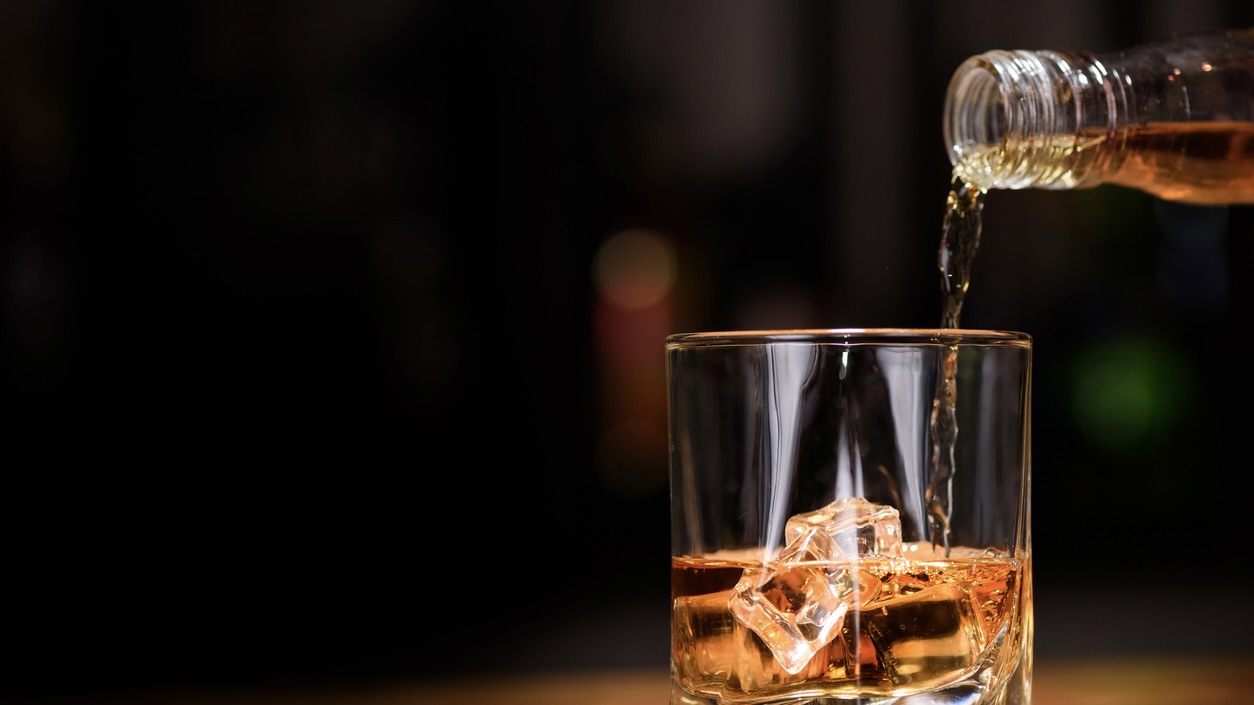
Mouth cancer is the second most common malignancy in India.
Synopsis: Just nine grams of alcohol daily can raise the risk of mouth cancer by 50 percent, and when combined with chewing tobacco, it accounts for 62 percent of cases in India, a large study has found. Based on data from more than 3,700 men across six cancer centres, the findings highlight the need for public health measures that address the combined use of alcohol and tobacco rather than treating them as separate risks.
Just nine grams of alcohol daily—roughly equivalent to a standard drink—is enough to raise the risk of mouth cancer by 50 percent. When combined with chewing tobacco, it likely accounts for 62 percent of all such cases in India, a large multicentric study conducted across the country suggests.
Even low levels of alcohol consumption may significantly increase the risk of mouth cancer, particularly buccal mucosa cancer, cancer of the inner cheek, which is the most common oral cancer in India.
The findings, published in BMJ Global Health, challenge the perception that alcohol-related cancer risk is confined to heavy drinking and underline the compounded danger of combining alcohol with tobacco use.
While tobacco chewing has long been recognised as a major cause, the study brings renewed attention to alcohol as an independent and interacting risk factor.
Mouth cancer is the second most common malignancy in India, with an estimated 143,759 new cases and 79,979 deaths every year. Rates of the disease have risen steadily and now stand at just under 15 for every 100,000 Indian men, the researchers note.
The researchers analysed data from 3,706 men recruited between 2010 and 2021 from six cancer centres across India. Of these, 1,803 participants had confirmed buccal mucosa cancer, while 1,903 were randomly selected controls without the disease.
Most participants were aged between 35 and 54. Notably, nearly half of all cancer cases occurred among men aged 25 to 45, underscoring that oral cancer is increasingly affecting younger adults.
Participants provided detailed information about their alcohol consumption, including duration, frequency and type of drink.
The study covered 11 internationally recognised alcoholic beverages such as beer, whisky, vodka and rum, as well as 30 locally brewed drinks, including mahua, chulli, apong and desi daru. Data on tobacco use, both chewing and smoking, were also collected to assess how the two substances interact to influence cancer risk.
The primary form of mouth cancer in India affects the soft pink lining of the cheeks and lips, known as the buccal mucosa. Less than half, 43 percent, of those affected survive five years or more, the study points out.
Compared with non-drinkers, people who consumed alcohol had a 68 percent higher risk of developing buccal mucosa cancer. The risk increased to 72 percent among those consuming commercially manufactured alcohol and to 87 percent among those who primarily drank locally brewed liquor.
Strikingly, the researchers found that even extremely low levels of alcohol consumption were associated with increased risk. Drinking less than 2 grams of alcohol per day from beer was still linked to a heightened likelihood of developing cancer. At 9 grams per day, the risk rose by approximately 50 percent.
Alcohol alone accounted for an average population attributable fraction of 11.3 percent, meaning that more than one in ten cases of buccal mucosa cancer in India could potentially be prevented if alcohol consumption were eliminated. In some high-burden states, including Meghalaya, Assam and Madhya Pradesh, this figure rose to 14 percent.
The study’s most important finding concerned the interaction between alcohol and tobacco. Concurrent use was associated with a more than fourfold increase in cancer risk, with researchers estimating that 62 percent of all buccal mucosa cancer cases in India are attributable to the combined use of alcohol and chewing tobacco.
Importantly, alcohol increased cancer risk regardless of how long tobacco had been used, suggesting that it acts as a facilitator rather than merely an additional exposure.
According to the researchers, ethanol may alter the fat content of the mouth’s inner lining, increasing its permeability and making it easier for carcinogens present in tobacco products to penetrate tissue and cause damage.
The study’s findings highlight the urgent need to focus not just on individual habits but on combinations of risky behaviours, according to Dr. Manikandan Venkatasubramaniyan, Senior Consultant, Surgical Oncology, MGM Cancer Institute, Chennai.
“The first step is to create awareness that alcohol and tobacco should not be combined,” he told South First, adding that “alcohol acts as a solvent. It dissolves carcinogens present in tobacco and spreads them across the upper digestive tract, increasing cancer risk.”
Rather than expecting immediate bans, the doctor emphasised a step-by-step public health approach, discouraging combined use, preventing addiction, and gradually moving towards de-addiction through sustained awareness campaigns.
Explaining the wide state-wise variation seen in the study, the oncologist pointed to differences in education levels, cultural practices, and patterns of substance use.
“States with better primary and secondary education systems generally show lower addiction rates,” he said. “In regions where access to education is limited, people are more vulnerable to early initiation and addiction.”
Cultural factors also play a role. While tobacco chewing dominates in some states, alcohol and smoking are more prevalent in others, reinforcing the need for state-specific prevention strategies rather than a one-size-fits-all national approach.
The study also flagged a higher cancer risk linked to locally brewed, unregulated alcohol, which often escapes formal taxation and safety oversight.
While laws exist in many states to curb illicit liquor production, the oncologist stressed that strict implementation remains the key challenge.
“These liquors often contain harmful contaminants due to poor filtration and variable alcohol content,” he said. “Beyond cancer, they can cause blindness, liver failure, and even death. Enforcing existing regulations can significantly reduce these risks.”
Traditionally, oral cancer in India has been closely associated with tobacco chewing, particularly among lower-income groups. However, experts say changing lifestyles are altering risk profiles.
“Alcohol has long been linked to cancers of the stomach and oesophagus, but its role in oral cancer has been under-recognised,” the oncologist said. “As economic status improves, alcohol consumption often increases, adding another layer of risk for people already using tobacco.”
Globally, alcohol is classified as a Group 1 carcinogen, the same category as tobacco. Health guidelines increasingly emphasise that no amount of alcohol is safe from a cancer prevention perspective.
“People still believe that small quantities or ‘social drinking’ are harmless,” the oncologist said. “But awareness that alcohol can also cause oral cancer needs to reach the public.”
“The current legal framework for alcohol control in India is complex and involves both central and state laws. Central legislation provides protection of citizens, while alcohol is included in the State List under the Seventh Schedule of the Indian Constitution, giving states the power to regulate and control alcohol production, distribution and sale,” the authors point out.
“However, the locally brewed liquor market is unregulated, with some forms used by participants containing up to 90 percent alcohol content.”
(Edited by Dese Gowda)


