

Published Oct 29, 2026 | 8:15 AM ⚊ Updated Oct 29, 2026 | 12:23 PM

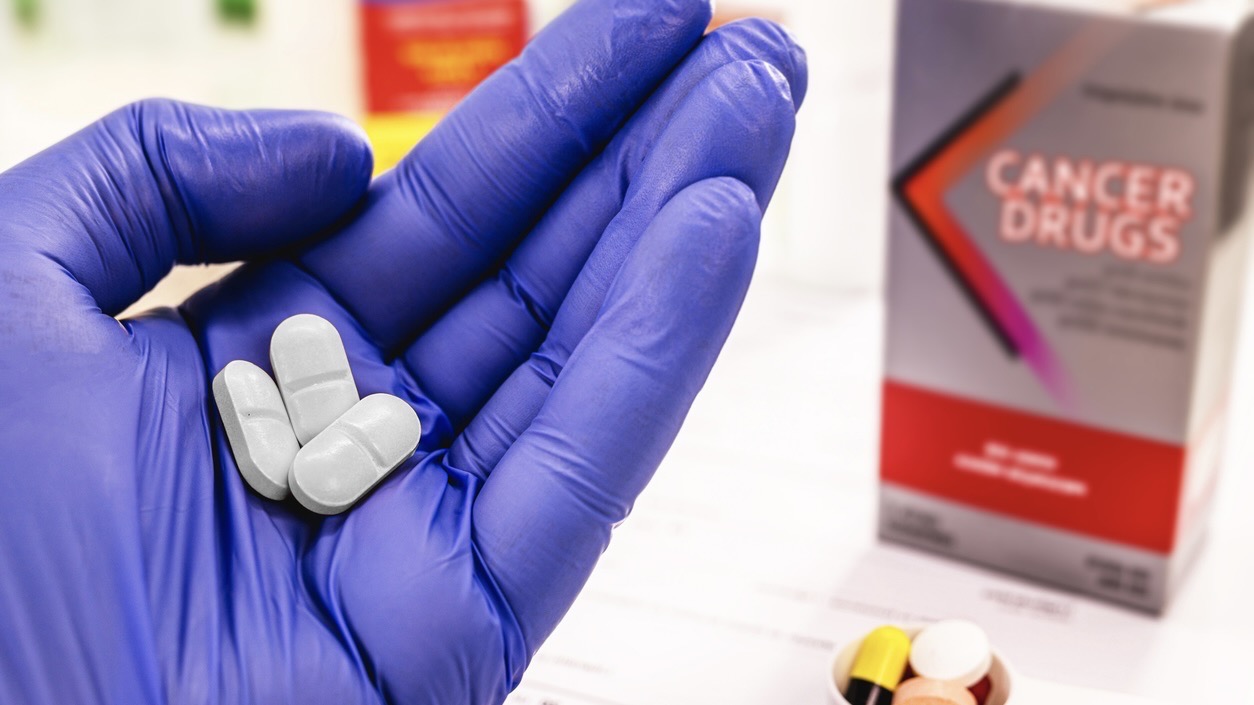
The NPAA noted that “cancer treatment in India imposes a severe financial burden on patients."

Synopsis: Drug manufacturers have reported price reductions of up to 90 percent for 484 anti-cancer drug products after the National Pharmaceutical Pricing Authority (NPPA) directed them to cap trade margins at 30 percent for formulations containing 137 non-scheduled anti-cancer drugs to make cancer treatment more affordable. Of 643 product entries submitted by manufacturers, 275 have seen price cuts exceeding 50 percent and 89 have recorded reductions of more than 75 percent; the revised maximum retail prices will take effect on 9 November.
Drug manufacturers have reported price reductions of up to 90 percent for 484 anti-cancer drug products after the National Pharmaceutical Pricing Authority (NPPA) directed them to cap trade margins at 30 percent for formulations containing 137 non-scheduled anti-cancer drugs to address excessive trade margins, make cancer treatment more affordable and improve access to anti-cancer medicines.
It includes medicines used to treat more than 20 types of cancer, including Denosumab, used by breast and prostate cancer patients; Pegfilgrastim, used to prevent neutropenia in cancer patients; and Bevacizumab, approved for the treatment of colon, ovarian and cervical cancers.
Of the 643 product entries submitted by manufacturers, 275 have recorded price cuts exceeding 50 percent, while 89 have seen reductions of more than 75 percent. The list is based on information submitted by manufacturers up to 27 October and will be updated as companies submit further revisions.
The revised maximum retail prices (MRPs) will take effect on 9 November.
In its 17 October order, the NPAA noted that “cancer treatment in India imposes a severe financial burden on patients and their families resulting in catastrophic health expenditure”.
It invoked Paragraph 19 of the Drugs (Prices Control) Order, 2013, to proceed with the intervention earlier in October. Its notification specifies the drugs covered, the method for calculating revised MRPs, and the obligations of manufacturers, retailers and hospitals.
The authority said the intervention was intended to curb excessive trade margins, make cancer treatment more affordable. An expert committee under the Directorate General of Health Services (DGHS) recommended the 137 drugs for inclusion.
“The Expert Committee comprised leading oncologists, medical specialists, experts from hospitals across the country, and Government officers,” it said.
Also Read: Children who eat more ultra-processed food show stronger brain reward responses, gain more body fat
Under the revised pricing, the new MRP is calculated from the March 2026 distributor price.
The price revisions have largely affected products from Indian generic drug manufacturers. The NPPA’s October 17 notification said that patented drugs cannot be exempted from the applicable pricing provisions unless an exemption is specifically approved.
Samarth Life Sciences’ Samtepa, a 100 mg thiotepa chemotherapy injection, has seen its MRP fall from ₹80,071.86 to ₹7,150.33, a cut of 91.1%. RPG Life Sciences’ Palbopro, a pack of 21 capsules containing 125 mg palbociclib, has fallen from ₹40,421.33 to ₹2,720, a reduction of 93.3% — the steepest percentage cut among the listed products.
Five products have recorded price cuts exceeding 90%: Palbopro; Samarth Life Sciences’ Isogen in 100 mg and 125 mg strengths; Khandelwal Laboratories’ Womazol; and Samtepa.
Meanwhile, medicines carrying MRPs above ₹1 lakh remain largely untouched. Of 56 such products, only three have seen price reductions, according to the data.
Pfizer’s Crizalk, sold in packs of 60 capsules, has fallen from ₹1,17,251.92 to ₹1,09,500 for the 250 mg strength and from ₹1,10,529.60 to ₹1,03,220 for the 200 mg strength, a cut of 6.6% in each case. Dr Reddy’s Zytorvi, a 240 mg toripalimab injection, has fallen from ₹1,17,187.50 to ₹90,241.10, a reduction of 23%.
The price gap is stark in the case of bevacizumab, used to treat several cancers. Roche’s Avastin costs ₹1,23,506, while generic versions are priced between ₹8,956.75 and ₹19,728.55.
(Edited by Dese Gowda)



