

Published Oct 18, 2026 | 4:08 PM ⚊ Updated Oct 18, 2026 | 4:08 PM

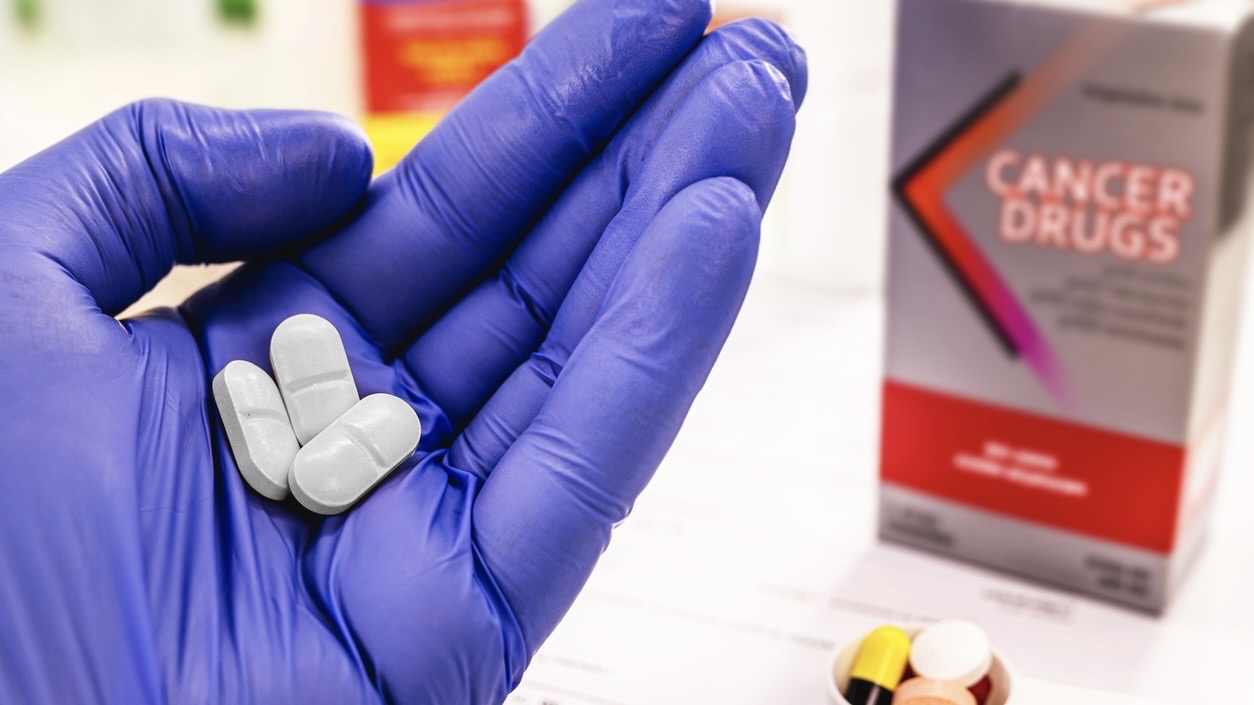
The 137 drugs span immunotherapy, targeted therapies, conventional chemotherapy and supportive medicines used during cancer treatment.

Synopsis: The National Pharmaceutical Pricing Authority has capped trade margins at 30 percent for 137 non-scheduled anti-cancer drugs to make cancer treatment more affordable, with revised maximum retail prices taking effect on 9 November 2026. The list covers immunotherapy, targeted cancer treatments, chemotherapy and supportive medicines, including drugs used to treat breast, lung, prostate and blood cancers.
The National Pharmaceutical Pricing Authority (NPPA) has capped trade margins at 30 percent for 137 non-scheduled anti-cancer drugs, with revised maximum retail prices (MRPs) taking effect on 9 November 2026, the Union Ministry of Chemicals and Fertilisers said in a statement on Saturday, 17 October.
Non-scheduled drugs are not subject to the same ceiling-price mechanism as scheduled formulations.
The NPPA invoked Paragraph 19 of the Drugs (Prices Control) Order, 2013, to proceed with the intervention earlier in October. Its notification specifies the drugs covered, the method for calculating revised MRPs, and the obligations of manufacturers, retailers and hospitals.
The ministry said the intervention was intended to curb excessive trade margins, make cancer treatment more affordable. An expert committee under the Directorate General of Health Services (DGHS) recommended the 137 drugs for inclusion.
“The Expert Committee comprised leading oncologists, medical specialists, experts from hospitals across the country, and Government officers,” the ministry said.
Also Read: Collagen has become a popular answer to joint pain, but what does the science say?
The 137 drugs span immunotherapy, targeted therapies, conventional chemotherapy and supportive medicines used during cancer treatment.
The immunotherapy drugs include pembrolizumab, durvalumab, nivolumab, atezolizumab, avelumab and ipilimumab. The list also covers osimertinib, a targeted therapy for certain types of lung cancer, and bevacizumab.
Targeted treatments for breast cancer include abemaciclib, palbociclib and ribociclib. Olaparib, used in certain breast, ovarian and other cancers, and the combination of pertuzumab and trastuzumab, used in eligible patients with HER2-positive breast cancer, are also covered. The prostate cancer drugs abiraterone acetate and enzalutamide feature on the list.
Other drugs include lenvatinib, used in certain thyroid, kidney and endometrial cancers; daratumumab, used in multiple myeloma; and ibrutinib and venetoclax, used in certain blood cancers. The list also includes denosumab, used in certain patients with breast and prostate cancer, and pegfilgrastim, which helps prevent neutropenia, a low neutrophil count that increases the risk of infection.
The 30 percent trade-margin cap applies to non-scheduled formulations containing any of the 137 drugs, whether used individually or in combination. It covers all strengths, dosage forms and routes of administration, including formulations prescribed for indications other than cancer.
March 2026 will serve as the reference month for calculating revised prices. The price to stockist or price to distributor (PTS/PTD) will be calculated by dividing the manufacturer’s net sales realisation for a product that month by the total quantity sold. If a formulation had no sales in March 2026, the calculation will use sales data for April 2025 to March 2026, excluding government sales.
The cap limits the trade margin to 30 percent of the MRP, excluding the goods and services tax. This corresponds to a mark-up of 42.86 percent on the PTS/PTD.
The order also covers patented medicines, except those exempted under Paragraph 32 of the Drugs (Prices Control) Order, 2013. Manufacturers must reduce the prices of branded or generic formulations priced above the newly calculated MRP. If the existing MRP is lower, they must retain it.
The list will be updated periodically.
Also Read: Can a doctor approve your test report without being physically present? NMC clarifies
Manufacturers must submit revised maximum retail price (MRP) details to the NPPA and the concerned State Drug Controller within seven days of publication of the order in the Official Gazette, even if a formulation’s price remains unchanged.
Failure to submit the details will be treated as non-reduction of the MRP and trigger action to recover the overcharged amount under the Drugs (Prices Control) Order, 2013.
“Non-submission shall be construed as non-reduction of MRP and shall result in initiation of action for recovery of the overcharged amount under the applicable provisions of DPCO, 2013,” the NPPA said in its meeting minutes.
Manufacturers must issue revised price lists through the Integrated Pharmaceutical Database Management System and send copies to State Drug Controllers, dealers and other relevant entities within the stipulated period.
Retailers and hospitals must charge the revised prices from 9 November and display updated price lists. Hospitals must also prominently display the revised prices on their websites.
“Consumers can use the Pharma Sahi Daam app and NPPA website to check revised prices of drugs,” the ministry said.
Manufacturers supply substantial quantities of anti-cancer medicines directly to hospitals and medical institutions, which must implement the revised prices from 9 November. State Drug Controllers will monitor compliance by manufacturers, dealers, retailers, hospitals and medical institutions.
Also Read: How much will your treatment cost? Centre asks states to ensure hospitals display service rates
The NPPA has directed manufacturers to maintain existing production levels of the 137 anti-cancer drugs covered by the trade-margin cap. Companies seeking to reduce average monthly production must obtain prior permission from the authority.
Manufacturers planning to discontinue production or imports must submit the prescribed information at least six months before the intended discontinuation date.
The Ministry of Chemicals and Fertilisers said the measures were intended to curb excessive distribution and retail margins, protect legitimate manufacturer revenues and prevent artificial shortages.
“By making anti-cancer drugs more affordable and accessible, this initiative will help ease the financial burden on patients and their families and support the broader public-health objective of equitable access to cancer treatment,” the ministry said.
(Edited by Dese Gowda)



