

Published Jul 01, 2026 | 7:49 PM ⚊ Updated Jul 01, 2026 | 9:21 PM

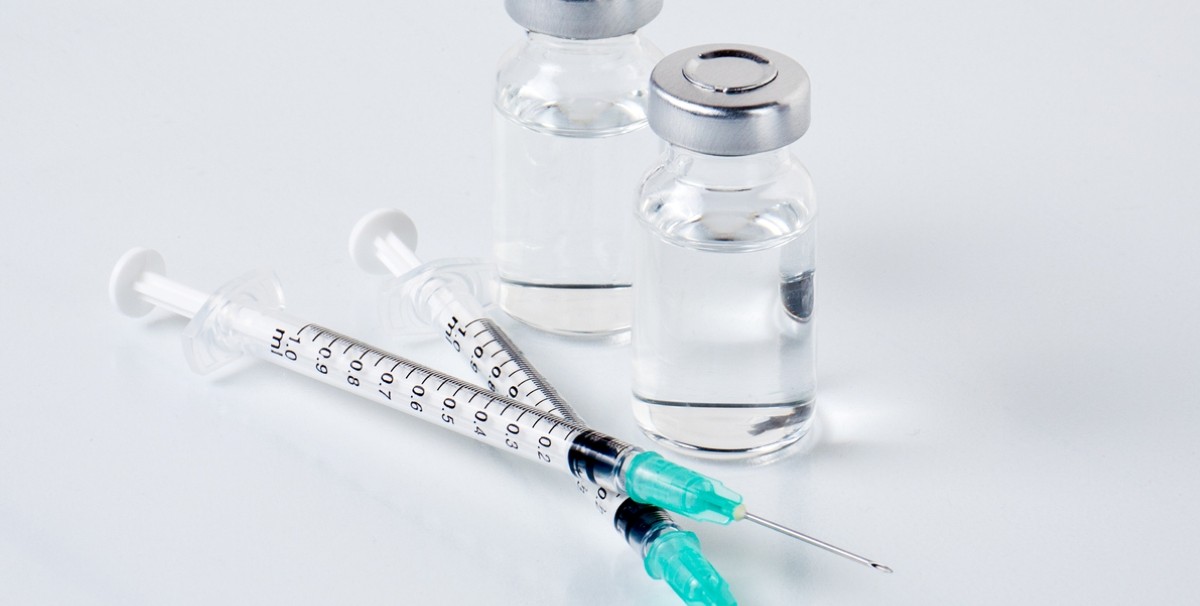
Sterile injectables. (iStock)

Synopsis: Hyderabad-based Shantha Biologics has signed an outsourcing agreement with Novo Nordisk to provide cartridge fill-finish manufacturing services for the drugmaker’s global supply chain. While the products remain undisclosed, the collaboration underscores India’s growing role in advanced biologics manufacturing and Shantha’s expansion beyond vaccines into specialised sterile injectable manufacturing.
Shantha Biologics has entered into an outsourcing agreement with Danish pharmaceutical company Novo Nordisk to provide cartridge fill-finish manufacturing services from its Hyderabad facility, with the products intended for the drugmaker’s global supply chain.
The agreement marks Shantha Biologics’ entry into large-scale contract manufacturing of specialised sterile injectables for one of the world’s biggest pharmaceutical companies. While the companies have not disclosed the products covered under the collaboration, Shantha Biologics Director Dr. Vishy Chebrol said the Hyderabad facility would manufacture for global markets. Dr Chebrol told South First that the facility would support Novo Nordisk’s global operations.
Novo Nordisk is one of the world’s largest manufacturers of diabetes medicines and has also seen surging global demand for its obesity treatments. However, neither company has confirmed whether the collaboration covers insulin products, GLP-1 medicines or any other specific therapies.
Under the agreement, Shantha Biologics will undertake cartridge fill-finish manufacturing, a specialised stage in pharmaceutical production in which sterile drug formulations are filled into cartridges under aseptic conditions before they are assembled into injection delivery systems.
Unlike manufacturing the active pharmaceutical ingredient, fill-finish operations require highly controlled sterile environments, precision engineering and strict regulatory compliance, making them one of the most technically demanding stages of biologics manufacturing.
According to Shantha, the collaboration reflects confidence in its sterile manufacturing capabilities and strengthens India’s role in advanced pharmaceutical manufacturing.
Dr Chebrol said commercial production would begin only after the necessary regulatory approvals and compliance requirements are completed. A timeline for the start of commercial manufacturing couldn’t be provided.
He added that the approvals are part of Shantha’s broader strategy to establish the Hyderabad site as a globally compliant manufacturing facility and are not limited to the Novo Nordisk collaboration.
“The facility has a capacity of about 130 million cartridges annually,” Dr Chebrol said, adding that Novo Nordisk would not be the only customer.
Shantha Biologics said the collaboration represents part of its strategy to expand beyond its traditional vaccine business into biologics and specialised sterile injectables.
The company, founded in Hyderabad in 1993 by Dr. Varaprasad Reddy, entered a new phase in 2024 under a consortium led by Dr. Ravi Penmetsa and Dr. Vishy Chebrol, with Dr. Reddy returning as chairman of the board.
In a statement, the company said advances in biologic medicines, including insulin analogues, GLP-1 therapies and monoclonal antibodies, are driving demand for sophisticated sterile manufacturing and cartridge-based delivery systems. It said collaborations such as the one with Novo Nordisk demonstrate growing confidence in India’s ability to undertake advanced pharmaceutical manufacturing for global markets.
The companies did not disclose the financial terms of the agreement.
(Edited by Sumavarsha)



