

Published Nov 27, 2026 | 12:36 PM ⚊ Updated Nov 27, 2026 | 12:36 PM

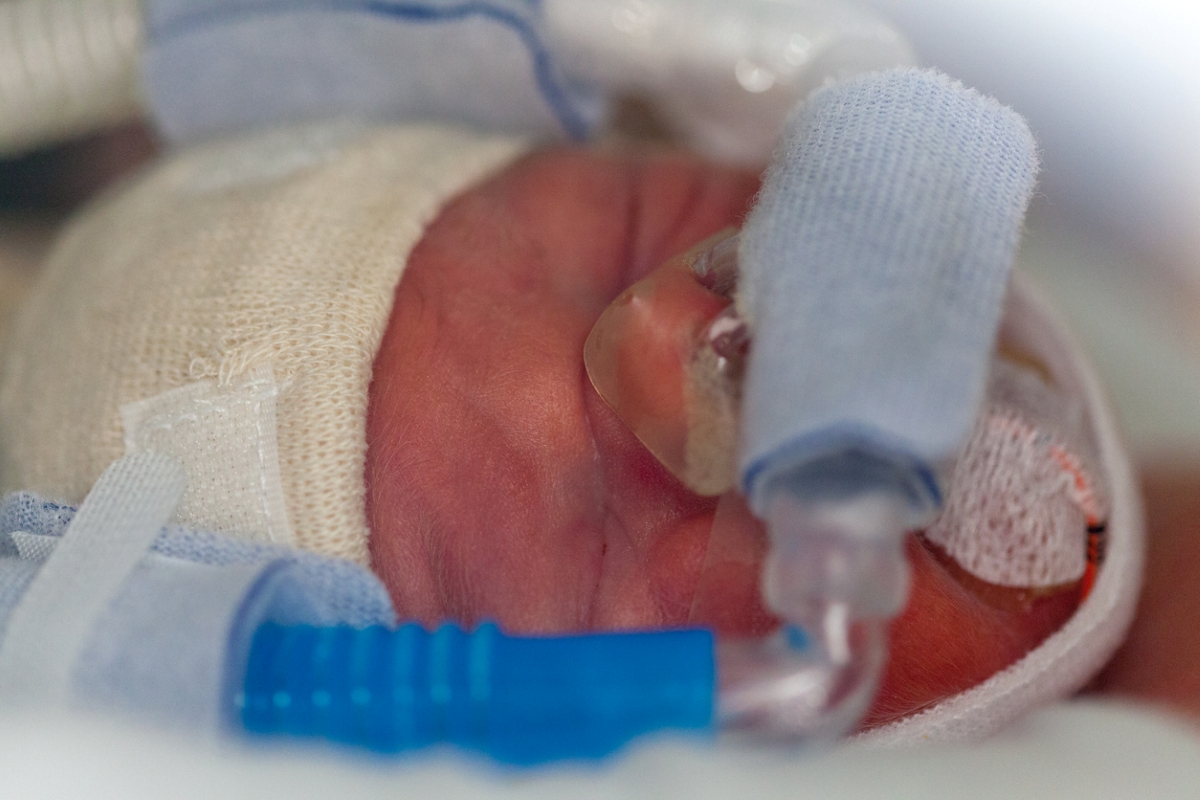
CPAP machine on infant. (Representational image/ iStock)

Synopsis: A Bengaluru consumer commission has ordered ESIC Medical College and PGIMSR to pay ₹40 lakh after a CPAP machine malfunction in its NICU caused severe nasal burns and permanent disfigurement to a premature baby in August 2022. Holding the hospital and three officials liable, it also directed the hospital to fund her future reconstructive surgeries.
A premature baby girl suffered severe burns to her nose after a Continuous Positive Airway Pressure (CPAP) machine malfunctioned in the Neonatal Intensive Care Unit (NICU) of Bengaluru’s ESIC Medical College and PGIMSR in August 2022.
More than four years later, a consumer commission has held the hospital and three of its officials responsible for deficiency in service and ordered them to pay ₹40 lakh in compensation.
The Bengaluru I Additional District Consumer Disputes Redressal Commission, in its order dated 4 November 2026, directed the hospital, its Dean, Chief Medical Officer and the then NICU in-charge to jointly and severally pay the compensation, with 6 percent annual interest from the date of filing the complaint.
It also directed the hospital to bear the actual costs of the child’s future nasal reconstruction surgeries, cosmetic corrections and dermatological treatment at an accredited tertiary hospital chosen by her parents.
The commission observed that the infant had suffered permanent physical injuries and would require multiple reconstructive procedures as she grew older.
“No amount of money can restore the infant’s natural features, but the law must ensure her financial security to meet the highly inflationary costs of future surgeries and psychiatric support,” the order stated.
Also Read: The food industry shapes what Indians eat. Why should consumers alone bear the burden? SC asks
The complaint was filed by the child’s mother, Pavitra, under the Consumer Protection Act, 2019, against ESIC Medical College and PGIMSR, Rajajinagar, and three officials responsible for the hospital’s administration and NICU.
According to the complaint, Pavitra was admitted to the hospital on 17 August 2022 and delivered a baby girl through an emergency caesarean section shortly after midnight on 18 August.
The infant was born prematurely at 29 weeks and three days of gestation, weighing 1.22 kg. She developed respiratory distress and required respiratory support, including ventilation and CPAP.
The mother alleged that on the second day of the infant’s life, the CPAP machine malfunctioned, causing its humidifier to overheat. The complaint stated that the temperature reached 69°C and visible flames emerged from the equipment, burning the baby’s nose.
The hospital acknowledged the equipment failure but disputed the account of the incident. In its response, it said the humidifier had overheated to 52°C and emitted fumes because of a sudden mechanical failure. Nursing staff immediately disconnected the mask, shifted the infant to hood-box oxygen and administered first aid, it contended.
The hospital also said the four-year-old machine was covered by a comprehensive maintenance contract and had undergone preventive maintenance in March 2022. A subsequent technical inspection by the manufacturer, FANEM, allegedly identified a thermostat failure and a non-functional coil.
The hospital argued that the malfunction resulted from a latent manufacturing defect and that the manufacturer should bear responsibility. It also maintained that staff had responded promptly and arranged the infant’s transfer to Narayana Hrudayalaya for specialised treatment.
According to the hospital’s submissions, it paid approximately ₹3.16 lakh towards the initial transfer and covered the child’s subsequent medical expenses during an extended hospitalisation. It also claimed to have arranged follow-up consultations and offered corrective treatment.
The commission rejected the hospital’s attempt to shift the entire responsibility to the manufacturer.
Applying the principle of res ipsa loquitur, meaning the thing speaks for itself, it observed that a machine producing flames and fumes while connected to a highly vulnerable premature newborn pointed to a serious failure of institutional monitoring.
“For a CPAP machine to overheat to the extent of producing visible flames and fumes inside an infant’s nasal passage implies a profound breakdown of active institutional monitoring,” the commission said.
It also questioned the hospital’s account that staff noticed the problem after the baby started crying excessively. The order observed that this indicated the infant had been exposed to the burning equipment before medical personnel intervened.
The commission held that a hospital is responsible for the safety and functional integrity of the equipment it deploys in patient care. It said the hospital could not avoid its obligations by treating the malfunction as a dispute between itself and the manufacturer.
The commission also rejected the argument that the hospital’s free treatment under the Employees’ State Insurance (ESI) scheme excluded it from consumer liability. It noted that contributions deducted from the complainant’s husband’s salary constituted consideration for the medical services.
The infant was shifted to Narayana Hrudayalaya on 19 August 2022 for specialised treatment. The commission recorded that she required prolonged multidisciplinary care, including treatment for respiratory complications.
The hospital maintained that the transfer was necessary because of the baby’s prematurity and worsening respiratory distress. It said the parents had been informed and consented to the transfer.
However, the commission found that the equipment malfunction had caused extensive nasal burns, tissue damage, scarring and permanent disfigurement. It also noted patchy hair loss on the child’s head.
Medical opinion placed before the commission indicated that definitive nasal reconstruction could only be safely performed when the child reached 13 to 16 years of age.
The commission said the child would have to live with the disfigurement through her formative years, including childhood and adolescence, potentially facing social stigma, psychological trauma and diminished self-esteem.
It relied on Supreme Court judgments on compensation in medical negligence cases to conclude that the award must account for future medical expenses and the long-term consequences of the injury.
The mother had sought ₹50 lakh in compensation, reimbursement of medical expenses and financial support for future reconstructive surgery. The commission awarded ₹40 lakh, directing that the amount be deposited in a long-term fixed deposit in a nationalised bank in the minor’s name until she attains majority. Her mother can withdraw the quarterly interest for the child’s medical expenses and welfare.
The hospital has also been directed to pay ₹5,000 towards litigation costs and comply with the order within 30 days of receiving it. It must submit a compliance report to the commission within 45 days.
(Edited by Sumavarsha)



