

Published Oct 28, 2026 | 7:00 AM ⚊ Updated Oct 28, 2026 | 7:00 AM

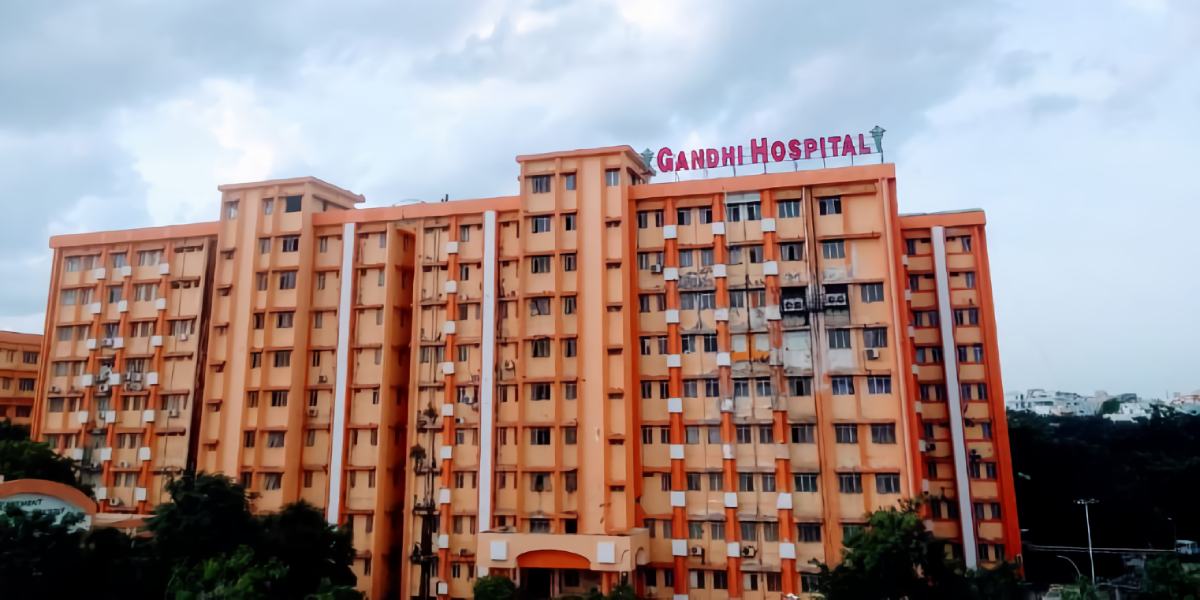
Activists cited Osmania, Gandhi, NIMS, Niloufer and Petlaburj as examples of hospitals where healthcare professionals work under adverse conditions.

Synopsis: In an open letter to Chief Minister A Revanth Reddy and Health Minister C Damodar Raja Narasimha, 115 signatories flagged inadequate drinking water, poorly maintained toilets and overcrowding in major Hyderabad hospitals. They called for a strong Right to Health law.
A group of 115 activists, academics, journalists and civil society representatives has urged the Telangana government to improve basic amenities in government hospitals urgently. They questioned why patients now should be forced to endure unhygienic conditions to access affordable healthcare.
In an open letter dated Monday, 26 October, the signatories addressed Chief Minister A Revanth Reddy and Health Minister C Damodar Raja Narasimha, raising concerns about conditions at major government hospitals in Hyderabad, including Osmania General Hospital, Gandhi Hospital, the Nizam’s Institute of Medical Sciences (NIMS), Niloufer Hospital and Petlaburj Maternity Hospital.
The letter highlighted inadequate access to drinking water, poorly maintained toilets, overcrowding and the lack of basic infrastructure. It also called on the government to introduce a strong Right to Health law through consultations with the public and people’s organisations.
“What is the point of your government and your ministerial positions, if you cannot even provide necessities like clean drinking water and functional toilet facilities?” the signatories asked.
They argued that the failure to provide basic amenities was undermining public confidence in government hospitals and pushing patients towards private healthcare, where treatment can impose a substantial financial burden on families.
Also Read: In ‘stepmotherly’ Telangana, brick kiln workers earn more than young doctors
The signatories said their concerns were not limited to shortages of doctors and other medical staff. They acknowledged that healthcare workers in government hospitals were already working beyond their capacity, often handling workloads far greater than they should reasonably be expected to manage.
They cited Osmania, Gandhi, NIMS, Niloufer and Petlaburj as examples of major referral hospitals where doctors and other healthcare personnel serve patients despite difficult working conditions.
The letter argued that the problem lay not necessarily in the medical expertise available at government hospitals, but in the infrastructure and facilities supporting their work.
“If basic amenities were properly provided in government hospitals, would the public have lost faith in the system?” the signatories asked.
They said government hospitals have experienced doctors, healthcare staff and research capabilities, challenging the perception that patients must turn to corporate hospitals to access quality medical treatment.
The signatories said inadequate facilities, rather than a lack of medical expertise, were the key factor driving people away from public healthcare institutions.
They also questioned whether political leaders had personally experienced the conditions patients encounter in government hospitals.
“Have you, or anyone close to you, ever visited a government hospital for medical needs while in power?” the letter asked Revanth Reddy and the health minister.
The activists criticised successive governments for promising to improve public healthcare without adequately addressing the everyday problems patients face.
Also Read: Hyderabad scientists find a protein that helps cells sound the alarm
The letter raised concerns about the consequences for patients who cannot afford private healthcare. While those with sufficient financial resources may seek treatment elsewhere, the signatories asked what happens to families who cannot bear the additional costs.
“After all, the public has the right to choose where they wish to receive medical treatment. Fine, those who can afford the costs will go elsewhere. But what about those who cannot bear such a financial burden?” they asked.
The signatories argued that patients should not have to choose between financial hardship and enduring inadequate facilities in public hospitals.
They also highlighted the importance of dignity in healthcare, questioning why patients should be expected to tolerate unsanitary toilets, unpleasant odours and inadequate water facilities when seeking treatment.
The letter said the government must take responsibility for maintaining hospital infrastructure instead of placing the blame for unhygienic conditions solely on patients and visitors.
The signatories argued that even seemingly basic interventions, such as ensuring clean toilets and reliable drinking water, would represent a meaningful improvement in public healthcare delivery.
They also criticised what they described as the government’s emphasis on changing photographs on walls and ambulances after assuming office, arguing that similar attention should be directed towards improving hospital facilities.
“If you were to direct the same energy you spend on replacing photographs on walls and ambulances immediately upon assuming office towards providing basic infrastructure, the public would, in turn, carry your image in their hearts,” the letter said.
Also Read: Half of Bengaluru, Hyderabad, Thiruvananthapuram women are overweight
The signatories cautioned the government against transferring responsibility for maintaining basic hospital amenities to corporate entities under the banner of public participation, particularly if the arrangement increased the financial burden on patients.
“Do not, under the guise of ‘public participation, ’ hand this responsibility over to some corporate entity, thereby imposing an even greater financial burden on the people,” they said.
They called for a broader approach to strengthening government hospitals, with drinking water, other water-related facilities and toilet maintenance treated as essential elements of public health infrastructure.
The letter stressed that these concerns were interconnected and required sustained government attention rather than isolated interventions.
Also Read: Telangana has India’s highest C-section rate
Beyond immediate improvements to hospital infrastructure, the signatories urged the Telangana government to enact a strong Right to Health law.
They called for the legislation to be developed through consultations with the public and people’s organisations, arguing that strengthening public healthcare must remain a government responsibility.
“We urge, hope, and demand that the political establishment and the government work toward strengthening the public health and medical system, specifically by addressing the lack of basic amenities that currently forces ordinary citizens to abandon government hospitals,” the letter said.
The signatories said they hoped the government would take meaningful action to address the concerns and improve conditions for patients accessing public healthcare.
The letter was signed by 115 individuals from Hyderabad and other parts of Telangana, including retired professor Shantha Sinha, women’s rights and social activist K Sajaya, social activist Kaneez Fathima, Health Rights Forum representative Meera Sanghamitra, and journalist and academic Akhileshwari Ramagoud.
(Edited by Majnu Babu).



