

Published May 07, 2026 | 7:02 AM ⚊ Updated May 07, 2026 | 7:02 AM

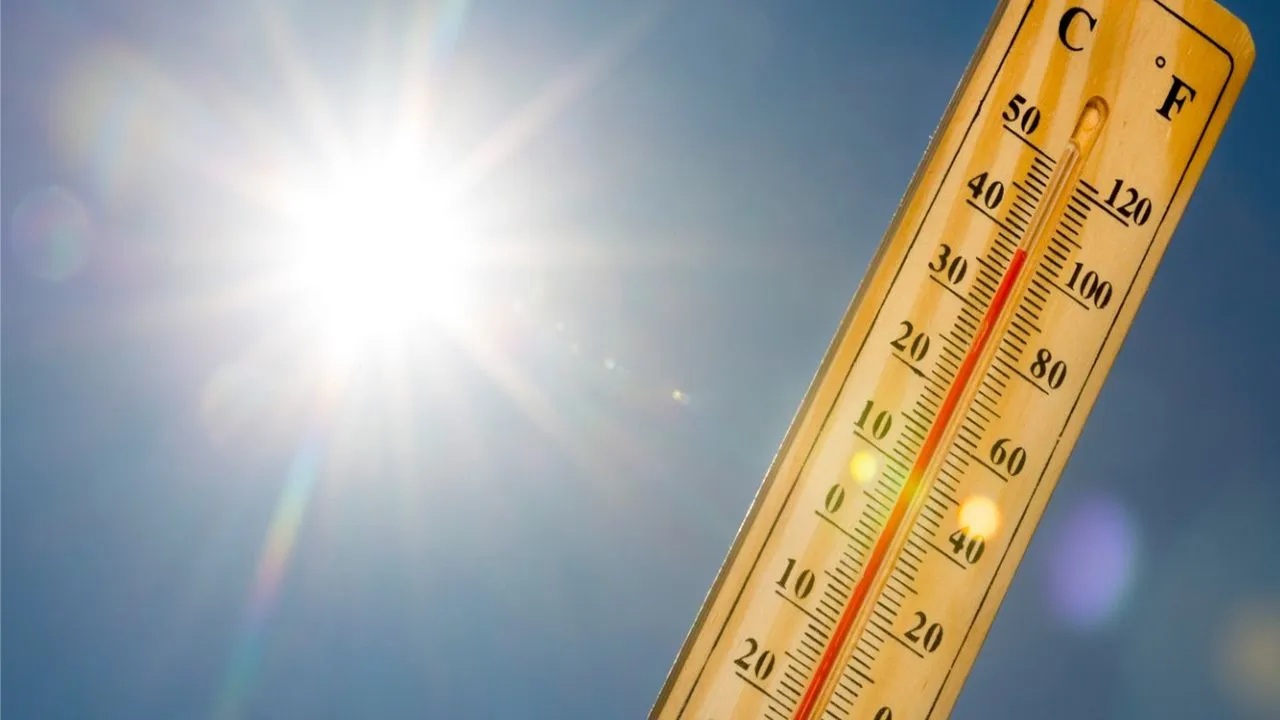
Doctors say one of the most at-risk groups this summer are people working long hours outdoors.

Synopsis: Rising heat and humidity across India are increasing the risk of serious damage to the brain, kidneys and heart, doctors say. Dehydration thickens the blood, reduces blood flow and raises the risk of clots, seizures, kidney stress and cardiac complications, especially among vulnerable groups. Long hours outdoors without adequate fluids or rest are a major factor, and symptoms such as confusion, chest pain or persistent dizziness need urgent medical attention.
As temperatures and humidity levels surge across India’s cities, fatigue is not the only risk. Symptoms of heat exposure can often mask underlying damage to the brain, kidneys and heart.
The effects are already visible in emergency rooms, according to HV Satish Babu, Medical Director and Head of Neurosciences at Columbia Hospital, Bengaluru.
An elderly man with hypertension and diabetes attended a family function under the sweltering sun. Hours later, he was rushed to hospital – dehydrated, disoriented and experiencing seizures.
“When we investigated, we found he had cortical venous thrombosis, where the veins of the brain get clogged,” Dr Babu told South First.
Cortical venous thrombosis is a condition in which a blood clot forms in the veins of the brain, often due to dehydration or thickened blood, and can cause severe headache, confusion, seizures, vision problems or stroke-like weakness.
The case, he said, reflects a broader pattern emerging this summer, where fluid loss and heat stress are triggering serious internal complications, particularly among vulnerable groups.
Also Read: Monsoon-driven “moist heatwaves” pose hidden health risk across India, says study
The key trigger is not heat alone, but what it does to the blood.
“There will be a degree of dehydration. Whenever there is dehydration, there is a possibility of thrombosis, where there will be no free flow of the blood,” said Dr Babu.
In simple terms, fluid loss thickens the blood, slowing circulation. This can lead to clot formation in the brain. “It can present with symptoms similar to a stroke,” he said, referring to cortical venous thrombosis.
Heat is also linked to acute neurological episodes. “We see patients who have heat stroke resulting in blackouts or drowsiness, and then they develop seizures,” he said, adding that underlying conditions often make outcomes worse.
“In people who already have diabetes, hypertension or kidney issues, these symptoms become much more pronounced,” he noted.
The same dehydration that affects the brain is also placing stress on the kidneys, often without immediate warning signs.
When the body loses fluids through sweating, vomiting or diarrhoea, blood flow to vital organs reduces. This affects kidney function and increases the risk of complications over time.
“More hydration, the good chance that the blood flow is maintained and the kidney functions well,” said Dr Babu, underlining the direct link between fluid balance and organ health.
Risk varies sharply by age and health status. “Children, since their body volume is already low, even small fluid loss becomes significant,” he said. “Elderly people also have high incidence because of associated conditions.”
Patients with existing illnesses need stricter control. Those with prior stroke, epilepsy or kidney disease are more vulnerable if dehydration is not managed.
Also Read: DPH orders free ORS supply, heatstroke preparedness across Tamil Nadu
Doctors say one of the most at-risk groups this summer are people working long hours outdoors.
“The people who work on the roads, like construction or repair work, if they do not have protection, they are going to have direct heat falling on the body and result in loss of fluid,” said Dr Babu.
Unlike short exposure, this leads to sustained dehydration across the day.
“They have to be given time to hydrate themselves well,” he said, adding that electrolyte replacement may also be necessary in some cases.
Even otherwise healthy individuals are at risk if fluid and mineral loss is not corrected. “If you really have to go out, you need protection and hydration,” he said.
Extreme heat also affects how the heart functions, even in people without prior heart disease.
“If there is excess heat, the body tries to reduce core temperature by excessive sweating,” said Balamurugan S, Consultant, Interventional Cardiology at SRM Prime Hospital Chennai.
This leads to both dehydration and loss of electrolytes such as sodium and potassium. At the same time, the body redirects blood to the skin to release heat. “Blood pressure drops. To compensate, the heart beats faster and harder,” he explained.
This combination increases cardiac workload and oxygen demand.
Doctors are seeing this play out in real cases. “Patients come with dizziness, palpitations, low blood pressure and collapsing episodes,” he said. Arrhythmias and even heart attacks are also being reported more frequently during extreme heat.
Also Read: Summer holidays disturb children’s sleep, behaviour patterns; doctors say free play is key



