

Published Sep 18, 2026 | 3:48 PM ⚊ Updated Sep 18, 2026 | 3:48 PM

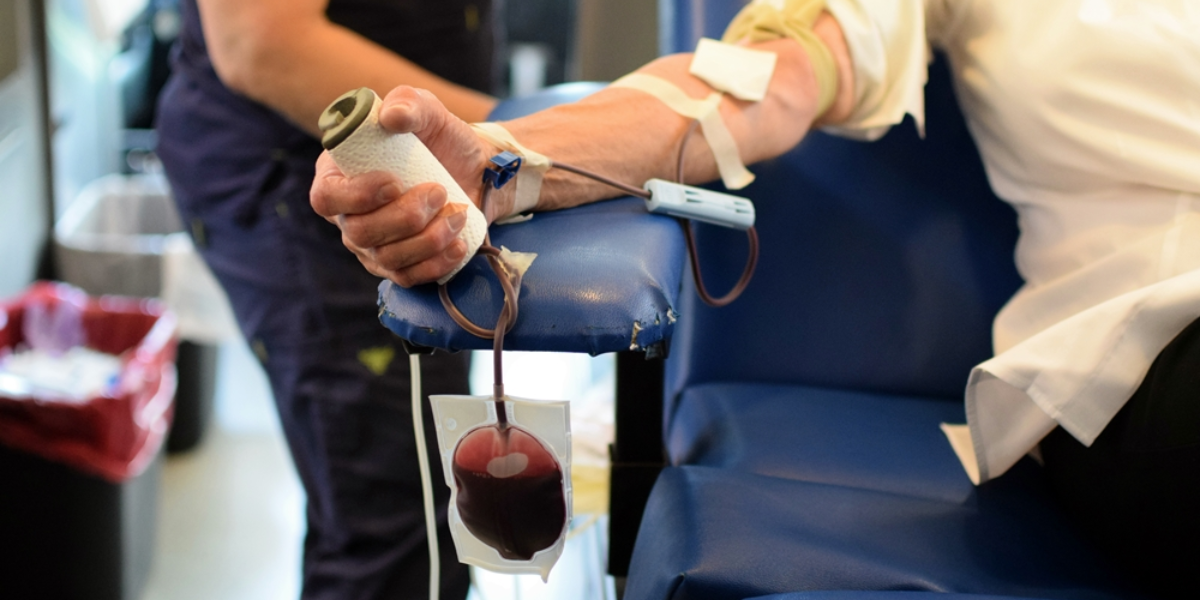
The proposed system is intended to make it possible to identify and track a donor.

Synopsis: The government is considering mandatory authentication of blood donors through ABHA/ABDM ID or Aadhaar-linked OTP verification. The move, recommended by DTAB, would link blood centres to e-RaktKosh and track blood collection, testing and issuance, while helping prevent high-risk or deferred donors from donating at multiple centres.
The government is considering a system that would require blood donors to authenticate themselves using their ABHA/ABDM ID or Aadhaar-linked OTP, as part of a proposed nationwide mechanism to track blood donations and improve donor follow-up.
The proposal was recommended by the Drugs Technical Advisory Board (DTAB), the government’s statutory technical advisory body on drugs, at its 94th meeting held on August 27, 2026.
The move is aimed at creating a system through which blood donors can be traced across blood centres and potentially prevent people who have been classified as high-risk or temporarily deferred donors from donating at multiple centres.
“The Board noted the importance of bringing an amendment which aims to enforce the mandatory authentication of all blood donors,” the DTAB minutes state.
The proposed authentication would use an ABDM (Ayushman Bharat Digital Mission) ID/ABHA or Aadhaar-linked OTP verification, according to the minutes.
Alongside donor authentication, DTAB has recommended making it mandatory for blood centres to register on the government’s e-RaktKosh portal and upload data related to blood collection, testing and issuance.
The Board was informed about directions issued during a national review meeting to develop a process that would allow “all Blood Centres to upload the various data of collection, testing, and issuance of Blood on the e-RaktKosh portal”.
The system would also be integrated with the ABDM ID or Aadhaar-linked OTP verification for donor traceability and follow-up.
DTAB said the proposed changes would enable “robust donor traceability” and “comprehensive post-donation follow-ups.”
It also said the system could “prevent high-risk or deferred donors from immediate multi-site donations”.
In simple terms, the proposed system is intended to make it possible to identify and track a donor when they approach different blood centres, particularly if the donor has previously been deferred or identified as high-risk.
The proposal was not introduced directly at the latest DTAB meeting. The issue had first been discussed as Agenda 4 of the 69th meeting of the Drugs Consultative Committee (DCC) on June 24, 2026.
The DCC had recommended “making necessary provisions under the Drugs Rules for mandating the registration of blood centres on the e-Raktkosh portal and uploading the data”.
It also recommended constituting a sub-committee to examine how biometric authentication of blood donors at blood centres and camps could be implemented.
The minutes state that the sub-committee subsequently recommended “Donor Authentication with ABDM (Ayushman Bharat Digital Mission) ID / ABHA or Aadhaar-linked OTP verification for traceability and follow-up”.
The matter was then placed before DTAB for consideration.
After deliberating on the proposal, DTAB recommended that the Drugs Rules, 1945 be amended to provide for two requirements.
The first is “mandating the registration of blood centres on the e-Raktkosh portal and uploading the data”.
The second is “Donor Authentication with ABDM (Ayushman Bharat Digital Mission) ID / ABHA or Aadhaar-linked OTP verification for traceability and follow-up”.
The proposal therefore does not describe Aadhaar as the only proposed identifier. It specifically mentions ABDM/ABHA as well as Aadhaar-linked OTP verification as the mechanisms for donor authentication.
The minutes also link the proposed authentication system directly to donor safety and monitoring, saying it would allow better traceability, follow-up after donation and help prevent high-risk or deferred donors from making immediate donations at multiple locations.
Also Read:
Bone marrow transplant: How half-match donors are expanding options for children in India
From a bus conductor to lifesaver: Blood Donors Kerala founder Vinod Bhaskaran dies at 48
(Edited by Fayisa CA)



