

Published Aug 31, 2026 | 9:00 AM ⚊ Updated Aug 31, 2026 | 9:00 AM

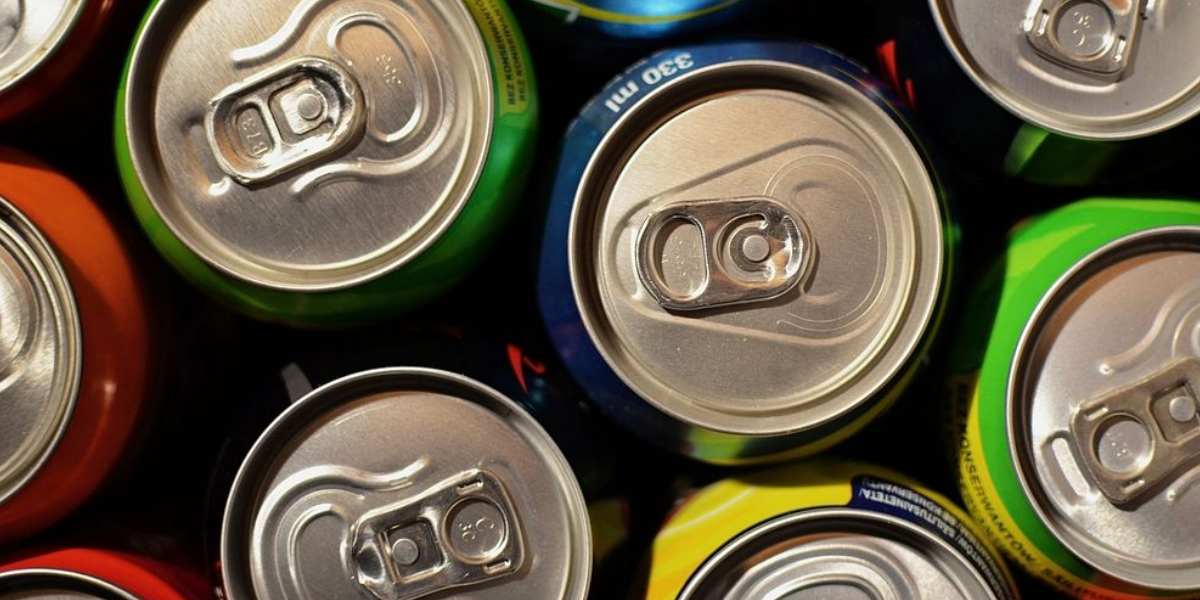
The FSSAI has proposed warnings such as “HIGH FAT”, “HIGH SUGAR”, “HIGH SALT” and “HIGHLY SWEETENED BEVERAGE”.

Synopsis: FSSAI has proposed red hexagonal front-of-pack warnings for packaged foods high in added sugar, fat and salt, following the Supreme Court’s intervention. The two-phase system would initially cover products high in two nutrients, with exemptions for certain foods. Public health advocates, however, have raised concerns over implementation and timelines.
India’s food regulator has proposed a red-coloured hexagonal warning label on the front of packaged food products high in added fat, sugar and salt, following a strong push from the Supreme Court to introduce clear warnings.
The Food Safety and Standards Authority of India (FSSAI), in a compliance affidavit filed before the Supreme Court, has proposed warnings such as “HIGH FAT”, “HIGH SUGAR”, “HIGH SALT” and “HIGHLY SWEETENED BEVERAGE”. The proposal would initially cover products high in two or more specified nutrients and later expand to products high in any one of them.
The proposal comes weeks after a SC bench of Justices JB Pardiwala and K Vinod Chandran questioned the Centre over its reluctance to introduce such labels and stressed that the issue concerned public health, particularly children. The court also questioned whether the government was succumbing to pressure from food companies.
Public health advocates have welcomed FSSAI’s move towards a warning-based system but have raised concerns over how the proposed system will work in practice.
“After years of advocacy and the Supreme Court direction, FSSAI has accepted the proposal for a front-of-pack warning. That fight is won for public health. The next fight is not whether there will be a label, but whether the label will tell the truth,” Dr Arun Gupta, paediatrician and Convenor, Nutrition Advocacy in Public Interest (NAPi), told South First.
Gupta questioned the proposal to trigger warnings only when two nutrients are high during the first phase, the use of added sugar instead of total sugar and the size of the proposed warning. He also called for a defined timeline for moving to the second phase.
“A warning that appears only when two nutrients are high, that counts ‘added’ sugar instead of total sugar, that is a very small font size is not a warning — it is a loophole,” he said.
“India already defined HFSS in the 2022 draft and already invited comments. Notify in ninety days. Do not restart the clock. Phase 1 can begin immediately and phase 2 after 12 months with nutrient profiles as done by Israel,” Gupta said.
According to the affidavit filed by Dr Kavitha Ramasamy, Joint Director, FSSAI, the regulator has prepared a proposal to provide information relating to added sugar, added fat and added salt in pictorial form on the front of food packs.
“FSSAI has prepared a proposal for providing information relating to added sugar, added fat and added salt in pictorial form on the Front-of-Pack (FoP). The proposal is intended to provide a simple, prominent and easily comprehensible warning to consumers regarding food products which are high in specified nutrients of concern,” Ramasamy said in the affidavit.
The proposed warning would be displayed in a red-coloured hexagonal shape for food products high in any two or more of the specified nutrients: added saturated fat, added sugar and salt.
The thresholds would be based on the Dietary Guidelines for Indians, 2024, issued by the ICMR-National Institute of Nutrition.
The warning would indicate the nutrient of concern through declarations including “HIGH FAT”, “HIGH SUGAR”, “HIGH SALT” and, where applicable, “HIGHLY SWEETENED BEVERAGE”.
FSSAI has also proposed that the warning be displayed in a font size one point larger than the font used in the nutrition information table on the back of the pack.
The regulator has framed the proposal as a consumer-awareness measure, particularly for children and vulnerable groups.
“The proposed approach is intended to address the need for an effective and consumer-friendly FoP labelling mechanism and to facilitate informed food choices, particularly in relation to children and other vulnerable groups of the population,” the affidavit said.
The move also represents a significant change from the position FSSAI had taken earlier in the proceedings, when it had proposed numerical nutritional information rather than interpretive warning labels.
The Supreme Court had questioned that approach and pushed the Centre to reconsider its position.
FSSAI has proposed a two-phase implementation of front-of-pack nutrition labelling.
Under Phase I, the warnings would cover products high in two or more specified nutrients, namely added fat, added sugar and salt, as well as specified sweetened beverages.
Under Phase II, the warning requirement would be extended to products high in any one of these nutrients.
The regulator said the phased approach would allow industry adequate time for reformulation and facilitate acceptance of the system.
“It is further proposed that FoPNL be implemented in phases to facilitate its consistent acceptance and provide industry adequate time for reformulation,” the affidavit said.
However, the affidavit does not specify when Phase II would begin.
Also Read: Oxygen bars promise clean air and wellness, but doctors say there is little evidence of benefit
FSSAI has proposed exemptions for single-ingredient food products and products that are inherently rich in fat, sugar or salt.
The affidavit specifically names ghee, edible oil, salt, sugar, jaggery and honey, subject to other applicable food safety and labelling requirements.
The exemptions are significant because the Centre had earlier argued before the Supreme Court that applying uniform warning thresholds could result in traditional Indian foods carrying red warnings.
Under FSSAI’s proposed framework, foods that are inherently rich in these nutrients would be treated differently from packaged products where high levels may be less apparent to consumers.
Despite the detailed proposal, consumers will not immediately see the red hexagon on food packets.
FSSAI has said the proposal will require amendments to the relevant regulations and must go through the prescribed regulatory procedure.
“A draft may be notified by way of an amendment in the respective regulations by following prescribed procedure,” the affidavit said.
The proposal therefore sets out the framework for the warning system but does not itself make the labels mandatory.
The next stage will depend on the regulatory amendment process and the final decision taken by the government.
(Edited by Fayisa CA)



