

Published May 15, 2026 | 7:00 AM ⚊ Updated May 15, 2026 | 7:00 AM

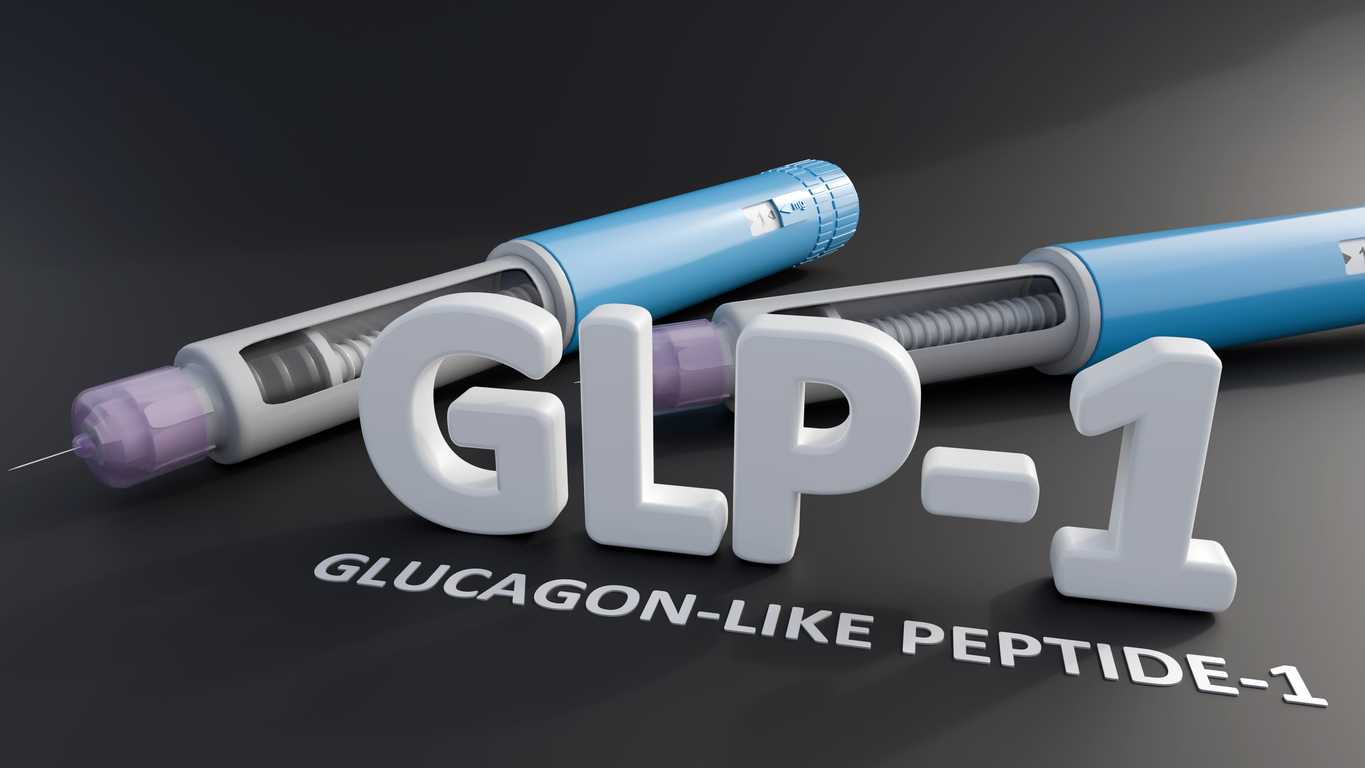
GLP-1 drugs. (iStock)

Synopsis: The Indian Association of Dermatologists, Venereologists and Leprologists published a comprehensive guide on weight-loss injections in May 2026, compiled specifically for skin doctors. The timing reflects a profession under pressure. IADVL’s document acknowledges that these drugs interact with skin cells in ways that could, in theory, help conditions like psoriasis. But it stops well short of endorsing that as a reason to prescribe. The science, it states, remains too early, with no large clinical trials and no treatment guidelines.
Pharmaceutical companies have started visiting skin clinics across India, pitching weight-loss injections as the next big opportunity in obesity treatment, and patients are walking in asking for the same drugs by name.
Sensing a danger, the country’s top dermatology body has now released a formal document telling its members what exactly their role is, and where it ends.
The Indian Association of Dermatologists, Venereologists and Leprologists (IADVL) published a comprehensive guide on these drugs in May 2026, compiled specifically for skin doctors. The timing reflects a profession under pressure.
These drugs, known as GLP-1 receptor agonists, with semaglutide being the most widely known, work by suppressing appetite and regulating blood sugar. Sold under brand names like Ozempic and Wegovy, they gained global attention for producing significant weight loss.
India’s market shifted sharply in March 2026 when cheaper, generic versions of semaglutide entered the market, bringing the monthly cost down from approximately ₹15,000 to as low as ₹1,000. That price crash, combined with the World Health Organisation (WHO) approval for obesity treatment, opened the floodgates.
Dr C Karishni, a Hyderabad-based skin doctor, describes what changed in her clinic. “Pharmaceutical companies have started approaching dermatologists more actively regarding semaglutide and other GLP-1 drugs. This has increased especially after generic and non-patented versions became available,” she told South First.
The patients who arrive at her door do not come purely for weight loss. Many carry skin conditions, such as dark patches caused by insulin resistance, that connect directly to metabolic problems.
“Most of the people asking about these drugs already have some associated skin or metabolic condition, especially psoriasis or acanthosis nigricans, where there is significant pigmentation linked to insulin resistance,” she said.
Pharma companies have identified a far wider target within dermatology. Clinics that already offer fat-reduction procedures, lasers, and body-shaping treatments are being told they can simply add weight-loss injections to the menu. A patient who walks in to reduce belly fat could, under this model, walk out with a weight-loss prescription too.
IADVL’s document acknowledges that these drugs interact with skin cells in ways that could, in theory, help conditions like psoriasis. But it stops well short of endorsing that as a reason to prescribe. The science, it states, remains too early, with no large clinical trials and no treatment guidelines.
Also Read: Mounjaro remains number one in India as Torrent captures 38% of the generic semaglutide market
At the heart of the confusion sits a regulatory silence. India’s drug regulator, the Central Drugs Standard Control Organisation (CDSCO), has not issued clear guidance on whether skin doctors can prescribe these drugs at all. Only endocrinologists and general physicians carry explicit authority to do so.

Dr Vinay Singh President IADVL
That gap, neither permitted nor prohibited for dermatologists, is precisely where pharma’s marketing finds room to operate.
Dr Vinay Singh, president of IADVL, explained how his association navigates this.
“We cannot form guidelines over and above the Drug Controller guidelines of India. The Drug Controller of India has not yet given permission to any other person apart from endocrinologists and physicians to use these medicines,” he told South First.
“What we are doing is using these medicines either along with an endocrinologist or physician, or in consultation with them. If the endocrinologist or physician says, ‘Yes, you can use it,’ then they prescribe it on their letterhead, and we use it. So far, we have not been given a free hand.”
In plain terms, skin doctors can assist, but they cannot lead.
The concern IADVL raises goes beyond prescribing rights. It points to a commercial drive to sell these drugs as cosmetic tools rather than medical treatments.
Dr E Ravi Shankar, a senior endocrinologist at Apollo Hospitals in Hyderabad, described how the pitch reaches clinics.
“Many aesthetic clinics already offer procedures related to body contouring, lipolysis, or fat reduction, and companies are suggesting that GLP-1 injectables can be integrated into those services. The idea being promoted is that patients who come for body contouring or aesthetic consultations could also be offered injectable weight-loss therapies under the same umbrella,” he said.
IADVL’s document draws a firm line here. It states that current evidence does not support prescribing these drugs to people who are not medically obese for cosmetic reasons, and that the risks remain disproportionate to the benefit for such patients.
Whether or not a skin doctor prescribed the drug, the consequences arrive at their door.
More than half of the people who use these drugs lose significant amounts of hair, typically two to four months after starting treatment, driven by nutritional stress from rapid weight loss.
Rapid fat loss also reshapes the face in ways patients do not always anticipate. The condition widely called “Ozempic face” produces sunken cheeks, hollow temples, deepened shadows under the eyes, and an appearance of accelerated ageing. Skin on the abdomen, arms, and thighs sags. Bone density declines.
Skin doctors who perform cosmetic procedures must also communicate a specific risk: These drugs slow digestion, which raises the danger of undigested stomach contents entering the lungs during sedation or anaesthesia.
And there is a consequence that most patients do not hear about before they start. When they stop taking the drug, most regain the weight they lost within approximately two years.
Dr Ravi Shankar drew the clearest boundary.
“These are powerful metabolic therapies, not simply ‘weight-loss injections,’ and they can significantly affect glucose control, gastrointestinal function, nutrition, muscle mass, and overall metabolic health,” he told South First.
“Proper evaluation of obesity-related complications, contraindications, diabetes status, thyroid and pancreatic history, kidney and liver function, nutritional status, and concurrent medications is essential before initiating treatment.”
He argued that obesity is a complex, chronic disease, not a cosmetic problem, and that only doctors trained in hormones and metabolism carry the knowledge to prescribe these drugs safely.
Also Read: Generic Semaglutide launches in India after patent expiry, prices drop sharply
The IADVL compendium points to a factor that complicates any simple prescribing threshold in India: The thin-fat phenotype.
Indian individuals develop higher visceral fat and insulin resistance at significantly lower BMI levels than Western populations. Indian guidelines set overweight at a BMI of 23 and obesity at 25, compared with 25 and 30 in Western frameworks.
A patient requesting cosmetic abdominal fat reduction at a BMI that appears modest by Western criteria may already carry significant cardiometabolic risk. The compendium states that waist circumference and body composition analysis must supplement BMI to distinguish aesthetic use from meaningful clinical intervention.
This distinction matters because pharma’s pitch to dermatologists leans heavily on that ambiguity. The line between aesthetic demand and medical need blurs, and companies operate in that blur.
The compendium closes with regulatory demands directed at CDSCO, carrying urgency after the generic launch.
IADVL calls for GLP-1 drugs to remain strictly prescription-only, with public advisories that prohibit misleading advertising, including social media and influencer marketing. It demands mandatory informed consent covering aesthetic consequences, rebound weight gain, and anaesthetic risk. It asks for standardised prescribing criteria, mandatory screening for eating disorders and body dysmorphic disorder, and severe penalties for pharmacies and clinics that supply the drugs without adequate indication.
Dr Singh flagged the body dysmorphia dimension directly. “Many patients who come to us are obese, or they are unhappy with their appearance. Even if they are not obese, they may not be happy with the shape of their nose and lips. So first we counsel them, and if that is not sufficient, then we ask them to seek professional help from a psychologist, or a psychiatrist if needed.”
The compendium also calls on IADVL itself to develop professional guidelines for aesthetic use, an acknowledgement that the document it just published marks a beginning, not a conclusion.
For now, dermatologists find themselves positioned between a market that moves faster than regulation and a regulator that has yet to tell them exactly where they stand.
(Edited by Muhammed Fazil.)



