

Published Oct 08, 2026 | 6:58 PM ⚊ Updated Oct 08, 2026 | 6:58 PM

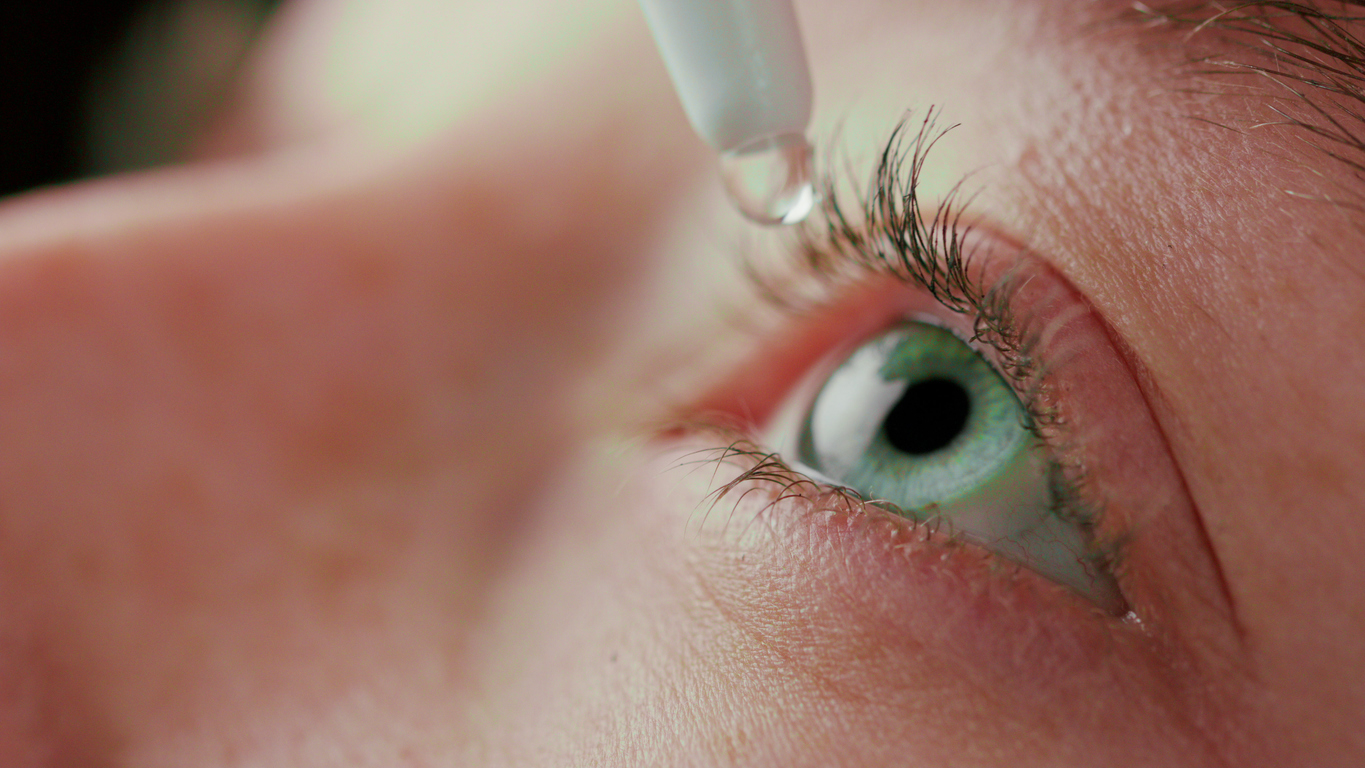
If you need drops more than four times a day, or you've needed them for more than a couple of weeks, it's time for an examination.

Synopsis: Dry eye is not caused by screens alone. Blocked oil glands, ageing, medications, contact lenses, environmental conditions, eyelid inflammation and medical conditions can also contribute. While blinking, warm compresses and lifestyle changes may help, persistent symptoms or frequent use of eye drops warrant an eye examination to identify and treat the underlying cause.
Almost every week, someone sits down in my clinic, rubs their eyes, and says, “I know, it’s my phone.” They arrive ready to be scolded about screens.
Screens do play a part. But if I could change one belief about dry eyes, it would be that screens are not the whole story. They are usually only one piece, and sometimes not the biggest one.
Your eyes are covered by a thin film of tears with three layers: an oily outer layer, a watery middle layer, and a thin mucus layer next to the eye. Each layer has a job. The oil stops the water from evaporating, the water keeps the surface moist, and the mucus helps everything stick evenly.
Dry eye happens when this system falters. You may not make enough tears, or the tears you make may be poor quality, or they may evaporate too fast. Often it’s a mix of all three.
Also Read: No weight-loss drugs or bariatric surgery for under-10s, WHO says in first global obesity guidelines
The most common cause I see is not a lack of tears at all. It’s blocked or lazy oil glands in the eyelids, called meibomian glands. When they clog, the oil layer becomes thin or thick like toothpaste, and tears evaporate quickly.
People with this problem are often surprised to hear it. Their eyes may feel gritty, burning, or tired, and yet they may be watering. That’s a classic sign. When the surface is irritated, the eye floods itself with watery tears, but those tears lack the oil to stay put and run down your cheek instead.
Screens contribute because we blink much less while staring at them, so the glands don’t get squeezed and cleared. But the gland problem often starts well before any screen habit does.
Age and hormones: Tear production tends to fall as we get older. Women are affected more often, especially around menopause, when hormone changes alter the tear film.
Medicines: Many common tablets can reduce tear production, including some antihistamines, decongestants, certain blood pressure medicines, antidepressants, and acne treatments. Never stop a prescribed medicine on your own, but do mention your eye symptoms to your doctor.
Contact lenses: Lenses sit in the tear film and can disturb it, especially if worn for long hours or slept in.
Air and environment: Air conditioners, heaters, fans, dust, smoke, and pollution all dry the eye surface. In a big city, this matters more than people think. Sitting directly under a ceiling fan or AC vent for hours is a common culprit.
Sleeping with eyes slightly open: Some people don’t fully close their eyelids at night and wake up with red, scratchy eyes. A partner can often notice this before you do.
Eye surgery: Procedures such as LASIK and even cataract surgery can temporarily reduce tear production or disturb the surface. For most people this settles, but it’s worth knowing about beforehand.
Medical conditions: Rheumatoid arthritis, thyroid disease, diabetes, and Sjögren’s syndrome can all cause dry eyes. Sometimes persistent dryness is the first clue to one of these, which is one reason I never treat it as a trivial complaint.
Eyelid inflammation: Redness and crusting along the lash line, called blepharitis, is closely linked with dry eye and tends to make it worse.
Also Read: Telangana SHRC intervenes after woman’s family alleges wrong-eye surgery at Sircilla hospital
Lubricating drops are a good starting point, and for mild cases they may be all you need. But I often meet people using drops ten or twelve times a day with little relief.
There are a few reasons. The drop may not match the real problem. If your oil glands are the cause, a watery drop gives only short relief. Some drops contain preservatives that can irritate the eye if used very often. And treating only the symptom ignores the cause, so the cycle continues.
If you need drops more than four times a day, or you’ve needed them for more than a couple of weeks, it’s time for an examination rather than another bottle.
You don’t need anything fancy to start:
Please don’t wait if you notice any of these: severe pain, sudden blurring of vision, marked redness, sensitivity to light, or discharge. These can point to something other than ordinary dryness, such as an infection or a corneal problem.
Also see an eye specialist if dryness persists despite home care. Treatment today goes well beyond drops. Depending on the cause, options include anti-inflammatory eye drops, medicines for lid inflammation, in-clinic procedures to unblock oil glands, and tiny plugs placed in the tear drainage channels to keep tears on the eye longer.
Dry eye is common, rarely dangerous, and completely treatable, but it’s rarely caused by just one thing. Cutting back on screens is sensible advice, yet if your eyes still burn and feel gritty after you’ve done so, the cause is probably somewhere else.
Listen to your eyes, adjust your habits, and don’t suffer in silence. A thorough eye check can often find the real reason and bring lasting relief.
(Edited by Fayisa CA)



