
Published Apr 25, 2026 | 7:00 AM ⚊ Updated Apr 25, 2026 | 7:00 AM

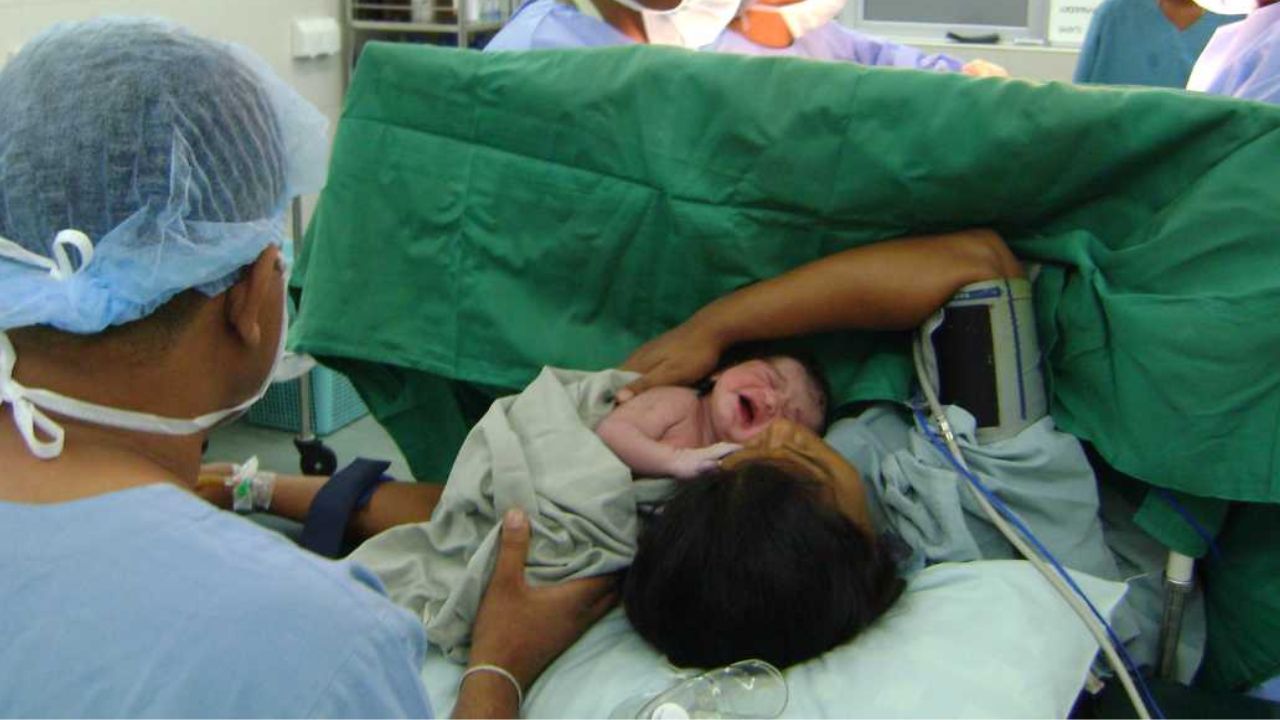
Study after study shows that women’s pain is not given the same weight as men’s in healthcare.

Synopsis: Twenty20 candidate for Thrikkakara Akhil Marar’s recent claims that childbirth was once “enjoyable” but has lately been made something be frightened of by hospitals has invited widespread anger in Kerala and elsewhere. But the remarks also point to a longstanding pattern of dismissing women’s labour and pain.
“Once upon a time, when people said ‘childbirth’, it was spoken of very casually. In the old days, you could even hear some people joking about it. They would say things like: that woman gave birth there, then went off somewhere else, and even pounded two kilos of rice and kept it there…” said Akhil Marar, a former winner of the Malayalam edition of the reality show Bigg Boss and an NDA candidate for Thrikkakara in the 2026 Assembly polls, in a recent interview.
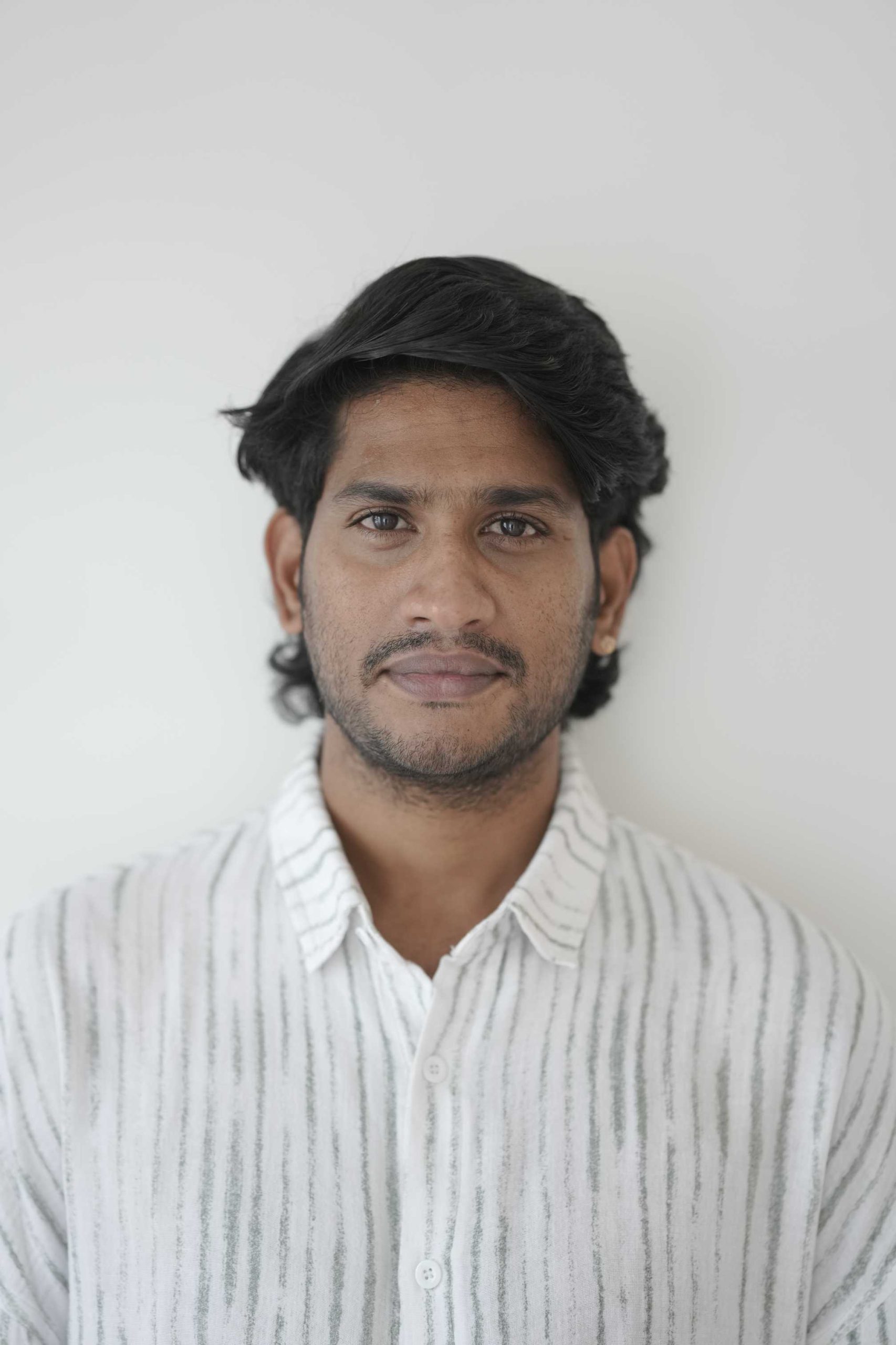
Akhil Marar.
He went on to complain that an earlier “enjoyable” process of natural childbirth has become something many women now fear, with most opting for caesareans.
“What was once such a simple process that women went through and even enjoyed. Now many hospitals here put a lot of pressure on the guardians. Along with that, they instil anxiety, making a pregnant woman feel as if she has some serious illness as soon as she becomes pregnant,” he said.
“They keep frightening her again and again throughout the nine months, until in the end she cannot even give birth normally, and it turns into a caesarean, making the whole thing very complicated.”
The comments have, unsurprisingly, drawn a torrent of backlash against the filmmaker-turned-politician. Reactions ranged from satirical memes mocking his lack of a uterus, and so his claim to speak on women’s issues, while others termed hims ignorant and dismissive.
But beyond the outrage, Marar’s comments point to a systemic issue: the trivialisation of women’s labour and pain.
Also Read: Unassisted, and on the edge: The dark side of Kerala’s growing home birth movement
Krishna Menon, a gynaecologist, in a post on Instagram said she has never seen women “enjoy” childbirth, even with epidurals. She described labour as physically, mentally and emotionally demanding.
“If it were truly enjoyable,” she added, “women would be delivering in parks or movie theatres.”
Menon also pointed to the fact that high maternal mortality rated used to be a regular feature of the “old days” that Marar is referring to.
Only in the last 40 years has it fallen by 50 percent in Kerala. Even so, the state is among those reporting the lowest rates because of better healthcare and institutional deliveries.
Dinu Veyil, a human rights activist and founder of Dhisha Kerala, told South First that comments about women immediately engaging in manual labour in the past were emblematic of the often repressive control they were subjected to.
Thus, “pounding rice” after childbirth comes from circumstances, not because women found the experience enjoyable.
“Patriarchy often operates by controlling women’s sexuality and reproductive choices,” Veyil said, adding that “decisions around childbirth and medical support should not be dictated by the cisgender.”
He said romanticising natural birth overlooks that it was often the only available option, and that maternal and infant mortality rates were far higher earlier because access to care was limited.
“My grandmother gave birth to eight children under extremely harsh conditions, and only three survived,” he said. “The idea of choice did not exist for many women in such circumstances.”
Study after study shows that women’s pain is not given the same weight as men’s in healthcare. A 2025 study in Women’s Health found that women’s pain is more often downplayed, treated as exaggerated, or attributed to emotional causes than men’s with similar symptoms.
In 2025 Harvard Medical School found that clinicians in the US often tell women their pain is “normal”, “part of ageing”, or “just hormonal”, which dismisses it as non-serious even when serious conditions are later found.
Emergency departments are less likely to give women strong pain medication even when they report the same pain scores as men, according to a report in Science.
Nandini M, a clinical psychologist from Bengaluru, said this trivialisation survives because it is often dismissed as “just talk”.
“It tells women what kind of disrespect they are expected to absorb. It tells men how easily they can reduce lived realities to throwaway lines. Each comment shows that the problem is not only what is said, but the attitude that makes saying it feel normal,” she told South First.
Also Read: Indian women report more sickness than men but spend 32% less in hospital
Suja Susan George, a writer and social activist, said Marar’s remarks were not surprising given his pattern of behaviour and expressed concern about his entry into politics.
“What worries me is not whether he wins or loses, but the fact that someone with this kind of public track record is even being fielded in the political arena,” she told South First.
“This is not the first time he has made comments that go viral. He appears to know what will be “picked up” and amplified, and stays in the spotlight whether the attention is positive or negative.”
She said the comments were emblematic of a philosophy that denied women ownership of womanhood.
“There is an idea that womanhood is incomplete without motherhood and that if you are born a woman, you are expected to go through this as a duty,” she said.
“Only in recent times have men started entering labour rooms to support their partners during childbirth. We have heard [previous] statements like wearing jeans affecting childbirth or fertility, and these are part of the same pattern of misinformation.”
However, she welcomed the reaction to Marar’s comments.
“A large section, including influencers, professionals and doctors, have responded critically. Kerala is actively engaging with and questioning such statements,” she added.
The controversy has forced leaders of the NDA to distance themselves from Marar’s comments.
BJP Kerala state vice-president Dr J Pramila Devi said it showed that Marar was lacking in “structured political training”.
“He does not have a politically active background, and merely contesting elections does not give an understanding of what should be said. Such statements can have unintended consequences,” she said.
“Senior leaders like MT Ramesh and K Surendran would not make such remarks.”
Twenty20 Party chief Sabu M Jacob told South First that the remarks were “a personal opinion and not the party’s official stance”, adding that the party would review the matter internally.
At the same time, Marar claimed his remarks were “misrepresented” and claimed that his comments were meant to highlight issues in the medical system, not dismiss maternal care.
“What I said is being cut and circulated to create a narrative,” he said.
He also cited World Health Organization guidelines, saying caesarean section rates are ideally between 10–15 percent and claimed his wife “wants to have five children and says she wants to give birth again”.
(Edited by Dese Gowda)



