

Published Jul 15, 2026 | 2:52 PM ⚊ Updated Jul 15, 2026 | 2:52 PM

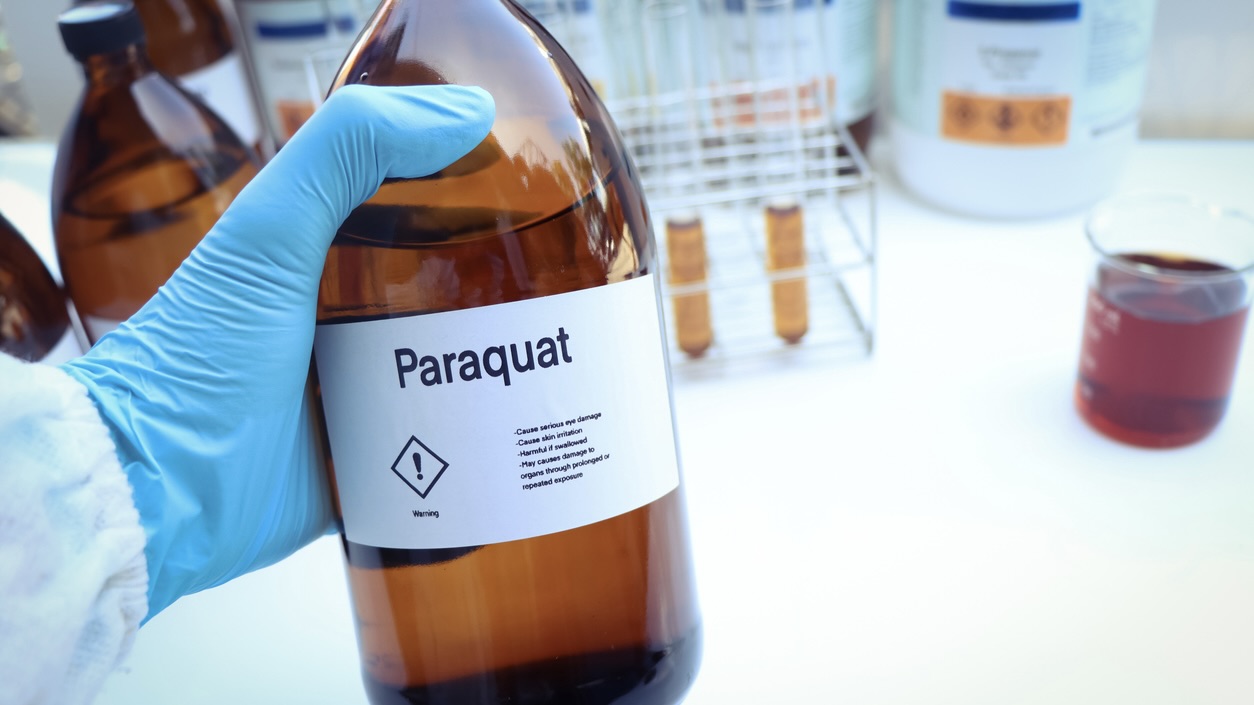
Paraquat accumulates in the lungs, triggers irreversible fibrosis, and causes acute respiratory failure, kidney failure, and liver injury.

Synopsis: The Union government has published a Gazette notification proposing a nationwide ban on paraquat dichloride, citing high fatalities, documented health risks and the lack of a specific antidote. Backed by scientific studies and years of advocacy, the move could prohibit the herbicide’s manufacture, sale, transport, distribution and use across India after consultation.
Years after doctors, researchers, and lawmakers warned that paraquat dichloride had become one of India’s deadliest agricultural chemicals, the Union Ministry of Agriculture and Farmers Welfare has published a Gazette notification proposing a nationwide ban on the herbicide, citing repeated poisoning deaths, documented health risks and the absence of a specific antidote.
The notification, the draft Banning of Paraquat Dichloride Order, 2026, issued on 10 July, proposed prohibiting the import, manufacture, transport, distribution, sale and use of paraquat across India under the Insecticides Act, 1968. The Centre has invited objections and suggestions within 30 days before issuing the final order.
The move came after months of growing pressure from clinicians treating paraquat poisoning, scientific studies documenting mortality rates approaching 80%, appeals from public representatives and families of victims, and temporary restrictions imposed by Telangana and Andhra Pradesh.
The ministry said it had constituted an Expert Committee on 14 January 2026 to examine whether paraquat should continue to remain registered in India. The committee submitted its report on 12 June, after which the Registration Committee constituted under the Insecticides Act reviewed the available studies, safety data and toxicological evidence before recommending a complete prohibition.
According to the Gazette notification, the Registration Committee noted that “Paraquat Dichloride has been banned or severely restricted in more than 70 countries.”
It also identified “documented adverse health effects; continued history of poisoning incidents and reported high fatalities; the absence of a specific antidote, among others.”
Based on those findings, the committee recommended “complete prohibition of Paraquat Dichloride in India, i.e. an immediate ban on the manufacture, import, transport, distribution, sale, and use of Paraquat Dichloride under the Insecticides Act, 1968.”
Accepting the recommendations, the ministry said it was “satisfied that the use of Paraquat Dichloride insecticide is likely to involve risk to human beings and animals as to render it expedient or necessary to take immediate action.”
If the proposed order is finalised after the consultation period, all registrations granted for paraquat will be cancelled. Manufacturers and registration holders will have three months to surrender their certificates, while state governments will be required to enforce the prohibition.
Also Read: Andhra Pradesh bans paraquat sale amid rise in suicides
Paraquat is a non-selective herbicide approved in India as a 24% soluble liquid formulation for weed control in nine crops. Once swallowed, it rapidly accumulates in the lungs, kidneys and liver, generating reactive oxygen species that trigger irreversible tissue damage.
Researchers from Christian Medical College (CMC), Vellore, described it as a herbicide that remains widely available in India despite being prohibited elsewhere.
Their study noted that “Despite being banned in over 70 countries, PQ is still frequently misused in India for suicidal and homicidal poisoning.”
The authors explained that ingesting paraquat causes acute respiratory failure, kidney injury, liver damage and progressive pulmonary fibrosis, while “its availability and continued use in the country raise serious public health concerns.”
They added that “the high fatality rate, widespread misuse, and limited treatment options underscore the urgent need for better clinical understanding and policy intervention.”
Unlike many other pesticides, paraquat has no specific antidote. The lack of treatment has repeatedly been highlighted by clinicians and lawmakers.
On 26 March, actor Rahul Ramakrishna, known for films including Arjun Reddy, Ala Vaikunthapurramuloo and RRR, revealed on X that he had lost his brother after paraquat poisoning.
“Lost my brother today to paraquat poisoning,” he wrote.
“It’s terrifyingly lethal and widely misused for self-destruction. Shocked by how easily it is available everywhere. Doctors are overwhelmed by the number of cases. Please ban it ASAP. Save lives,” he added.
Honourable Sirs @TelanganaCMO @PMOIndia,
Lost my brother today to Paraquat poisoning. It’s terrifyingly lethal and widely misused for self-destruction. Shocked by how easily it is available everywhere. Doctors are overwhelmed by the number of cases.Please ban it ASAP-save lives🙏🏽— Rahul Ramakrishna (@eyrahul) March 26, 2026
His appeal drew nationwide attention to an issue emergency physicians across South India had been warning about for years.
The following day, Warangal MP Dr Kadiyam Kavya raised the issue in Parliament.
Calling paraquat “an internationally recognised most acutely toxic herbicide,” she said, “even a minimum exposure can cause hazardous effects on the human body, including lung, kidney and liver failure and finally death.”
“The sad thing is there is no antidote for this dangerous poison, which is frequently used by poor farmers,” she said, urging the Centre to prohibit paraquat across India.
Also Read: Actor Rahul Ramakrishna loses brother to paraquat
By the time the issue reached Parliament, Indian researchers had already begun documenting the scale of paraquat poisoning.
One of the largest studies, published in the Indian Journal of Critical Care Medicine in February this year, analysed 166 paraquat poisoning patients treated over a decade at CMC Vellore.
The researchers found that the number of paraquat poisoning cases increased dramatically between 2015 and 2024, rising from just one patient in 2015 to 53 cases in 2024. Of the 166 patients, 109, or 65.7%, came from neighbouring Andhra Pradesh, with Kadapa and Chittoor accounting for nearly three-quarters of those cases.
The clinical outcomes were equally alarming.
The study reported that acute kidney injury occurred in 92.2% of patients, lung injury in 57.6%, while the overall survival rate was only 20.5%, meaning nearly four out of every five patients did not survive. The median survival after admission was just five days.
The researchers concluded that “High morbidity and mortality associated with PQ poisoning in India have been highlighted in our study.” They added that although combination therapy showed promise in selected patients, “delayed presentation with multiorgan system involvement points toward a poor prognosis” and called for further research to guide “policy interventions to limit PQ use and enhance outcomes.”
A parallel study from Gandhi Hospital in Hyderabad reached many of the same conclusions.
Published in the Indian Journal of Nephrology, the retrospective review analysed 400 patients with paraquat-associated acute kidney injury treated between 2014 and 2024, making it one of the largest Indian studies on the condition. Researchers found that of the 1,342 patients admitted with paraquat poisoning during the study period, nearly 30% developed acute kidney injury requiring nephrology care. Overall mortality was 75%, with deaths strongly associated with the quantity consumed, multiorgan failure and delays in reaching the hospital.
The profile of patients closely resembled that seen in the CMC study.
More than 90% had consumed paraquat in suicide attempts, while accidental poisonings largely occurred after people mistakenly drank the herbicide, especially under the influence of alcohol. Most patients were young adults, with an average age of just over 30 years.
The researchers in Hyderabad pointed to one factor that repeatedly surfaced in poisoning cases.
“PQ is a readily available and unrestricted weedicide,” they wrote while describing the circumstances surrounding many of the admissions.
The study also highlighted how delays in seeking treatment reduced the chances of survival. Patients reached medical care after an average of 1.28 days, while referral to nephrology services took more than three days. By then, nearly four out of five patients had progressed to Stage 3 acute kidney injury, and many had developed acute respiratory distress syndrome or multiorgan dysfunction.
The authors concluded that “PQ-AKI is an important contributor to AKI in this region and is associated with high mortality,” adding that the quantity consumed, multiorgan failure and delays in seeking medical care were the strongest predictors of death.
While doctors have experimented with multiple treatment strategies, including activated charcoal, steroids, cyclophosphamide, dialysis and antioxidants, survival remains poor once severe poisoning has occurred.
The CMC study identified a combination of N-acetylcysteine, ascorbic acid, cyclophosphamide and steroids, known as NACS, as one of the few interventions associated with improved survival. Patients who received the regimen had significantly better outcomes than those who did not.
However, the researchers cautioned that treatment options remained limited because most patients reached the hospital too late.
The study observed that only 12.6% of patients arrived within six hours of consuming paraquat, while 44% sought medical attention only after 24 hours.
Ultimately, the authors argued that preventing access to the poison would save more lives than relying on medical intervention.
“Our study highlighted a concerning trend in the increasing use of PQ as a deliberate agent for self-poisoning, they wrote. “Although many countries have prohibited the use of PQ because of its high toxicity and absence of a specific antidote, India still reports increasing cases. This calls for immediate national policy interventions to limit or prohibit its use in agriculture and heighten the public awareness of its risks.”
The demand for a nationwide prohibition gained momentum over the past year, with doctors’ organisations, researchers and public representatives arguing that temporary state-level restrictions were insufficient.
Telangana imposed restrictions on paraquat in March, while Andhra Pradesh followed with a 60-day prohibition after the Director General of Police flagged a rise in suicides involving the herbicide.
Former Lok Sabha MP Boyinapalli Vinod Kumar welcomed the Centre’s Gazette notification, saying it vindicated the efforts of doctors, social organisations and the Indian Medical Association, which had campaigned for a nationwide ban.
He said the Centre’s decision had brought relief to those who had been demanding action for the past year and noted that Telangana’s earlier restrictions had also emerged from sustained advocacy. Thanking the Union government, Vinod Kumar said a nationwide prohibition would benefit farmers and the public.
(Edited by Majnu Babu).



