

Published Jun 30, 2026 | 8:35 PM ⚊ Updated Jun 30, 2026 | 8:35 PM

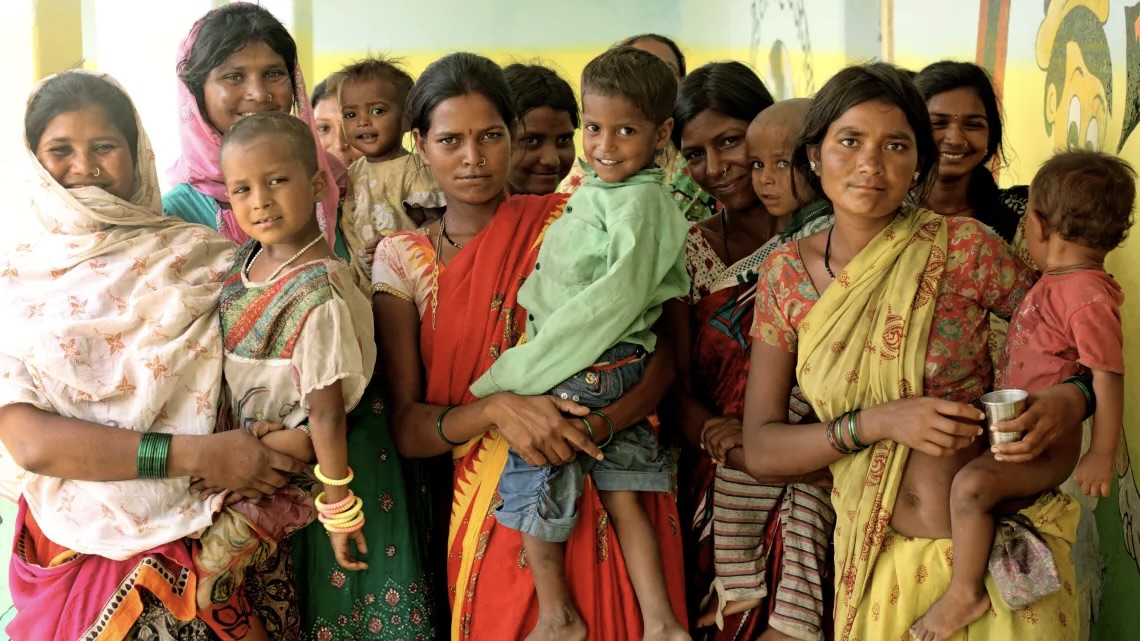
Probiotic use did not emerge as a significant factor in any model. (Credit: Unicef)

Synopsis: Researchers at ICMR-NIN Hyderabad tested whether probiotics could accelerate anaemia recovery in young children when added to iron-folic acid treatment. A 90-day trial involving 248 children found iron-folic acid alone reduced anaemia by 80 percent. Probiotics added no measurable benefit to iron status, gut health or recovery.
Scientists set out to test a promising idea: that giving children beneficial bacteria alongside their iron supplements could speed up recovery from anaemia.
The logic had some basis in science. Iron supplements, while effective, can disturb the gut’s bacterial environment. Unabsorbed iron reaches the colon, where it feeds harmful bacteria and suppresses beneficial ones. This triggers inflammation, which raises levels of hepcidin, a hormone that blocks the body from absorbing more iron.
Probiotics, scientists reasoned, could break that cycle: reduce gut inflammation, lower hepcidin and improve iron absorption. A handful of earlier studies had shown exactly that, at least in adults and women of reproductive age. The question was whether the same held true for young children in India, where anaemia remains stubbornly common.
According to national surveys, four in 10 children under five in India have some form of anaemia. Decades of iron supplementation programmes have reduced the number, but only slowly. Researchers wanted to know whether probiotics could accelerate what iron alone had struggled to achieve.
A year-long trial in Hyderabad has now provided the answer, though not the one many had hoped for: iron-folic acid alone reduced anaemia by 80 percent. Probiotics added no measurable benefit to iron status, gut health or recovery.
The study, conducted by researchers at the ICMR-National Institute of Nutrition (NIN) and published in the European Journal of Clinical Nutrition, enrolled 248 children under five living in Hyderabad’s urban slums. All had mild to moderate anaemia.
The team screened 825 children attending pre-primary schools across two urban slum areas in Hyderabad between November 2022 and October 2023. Of these, 282 tested anaemic. Eight children with severe anaemia were referred immediately to a local health centre and did not enter the trial.
The remaining 248 children with mild to moderate anaemia were enrolled in the 90-day intervention.
Every child received iron-folic acid syrup at a therapeutic dose of 3 mg of elemental iron per kg of body weight per day, in line with the guidelines of India’s Anaemia Mukt Bharat programme. Researchers also dewormed every child with albendazole before the intervention began.
One group received a probiotic sachet alongside the syrup, containing 10 billion colony-forming units of the bacterial strain Lactobacillus plantarum UBLP40. The other group received an identical-looking placebo sachet. Parents did not know which one their child received.
Study staff supervised supplementation on school days and followed up with parents by telephone on weekends and holidays. Children whose families planned to travel received their supplements in advance. This helped keep compliance above 84 percent in both groups, a figure the researchers describe as unusually high for a community-based trial.
Both groups recovered. Significantly, and almost identically.
Average haemoglobin levels rose by roughly 2 grams per decilitre in each group. Anaemia prevalence fell by around 80 percent. Iron deficiency dropped by more than 95 percent. Iron deficiency anaemia, where a child has both low haemoglobin and depleted iron stores, was eliminated entirely among children who completed the study.
The probiotic and placebo groups produced results so similar that no statistically significant difference emerged between them on any measure. Haemoglobin, iron stores, gut inflammation markers, intestinal damage indicators and side effects including diarrhoea, vomiting, fever and abdominal pain all tracked together.
Neither group showed persistent disruption to gut health from iron supplementation, which itself surprised the researchers. Earlier studies had identified iron as a potential trigger for gut inflammation, particularly in children living in settings with a high burden of infectious disease. The Hyderabad data did not support that over the 90-day study period.
Researchers ran regression models to identify what predicted improvements in haemoglobin. One variable stood out: how low a child’s haemoglobin was at the start of the study. Children who entered the trial with more severe anaemia made the largest gains by the end.
Gender also played a role. Girls recorded greater haemoglobin gains than boys, which the researchers attribute partly to lower baseline levels and slightly higher iron doses relative to body weight.
Probiotic use did not emerge as a significant factor in any model, whether analysed alone or alongside age, weight, iron dose and inflammatory markers.
“While iron-rich foods remain important for long-term prevention, therapeutic iron-folic acid supplementation was the key factor behind the sharp reduction in anaemia observed in the study,” said Dr Ravindranadh Palika, the lead author.
Also Read: Fertility runway: How women are being prescribed weight-loss drugs before conception
The findings reinforce what India’s Anaemia Mukt Bharat strategy already recommends: screen children early, identify anaemia before it becomes severe, treat promptly with iron-folic acid, and supervise the process closely enough to ensure children actually take the medicine.
“The intervention relied on iron-folic acid syrup provided through public health programmes, not on families purchasing medicines themselves. We ensured high compliance of over 80 percent by supervising supplementation and regularly following up with parents,” said Dr Teena Dasi, the corresponding author and NIN scientist.
The authors caution against routinely adding probiotics to iron-folic acid therapy to improve anaemia outcomes. The trial found no measurable advantage, at least in this age group, in this setting and at therapeutic iron doses.



