

Published Jul 19, 2026 | 10:23 AM ⚊ Updated Jul 19, 2026 | 10:23 AM

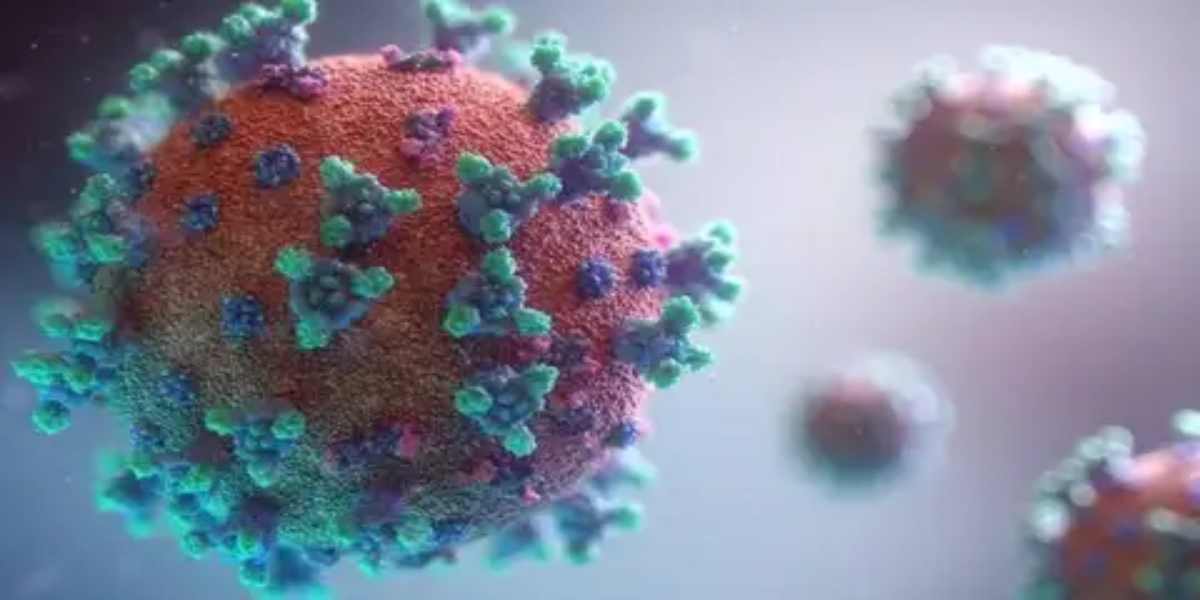
KP.1 and KP.2 are a subvariant of Omicron with heightened infectiousness. (Representational pic/Creative Commons)

Synopsis: Andhra Pradesh has detected the Omicron RF.5 sub-lineage in four COVID-19 samples from Kadapa, prompting continued surveillance after four deaths and 16 reported cases. While officials say the variant is not more severe than other Omicron strains, the state has strengthened hospital preparedness, testing, and genome sequencing, urging vigilance without panic.
The Andhra Pradesh government on Saturday said that labs have detected Omicron RF.5 sub-lineage in four COVID-19 positive samples from Kadapa district. Health authorities have stressed that there is no evidence the variant is more severe than other Omicron strains and urge the public to remain vigilant without panicking.
The four samples, collected from COVID-19 patients in Kadapa district, were sent to the National Institute of Virology (NIV), Pune, for genome sequencing. The results, received on Saturday (July 18), confirmed the presence of the RF.5 sub-lineage. Health Minister Y Satya Kumar Yadav reviewed the findings with senior officials.
The minister said the state’s health infrastructure remains fully prepared to deal with any increase in cases.
“COVID-19 cases in the state continue to be sporadic. Hospitals have been kept fully prepared according to the prevailing situation. Teaching hospitals are setting up dedicated isolation wards with sufficient beds, and the required testing kits and other infrastructure are being made available,” Satya Kumar said in a statement.
The latest sequencing results come amid heightened surveillance after Andhra Pradesh reported four COVID-19-related deaths over the past few weeks.
The first two deaths were reported from Kadapa and Rajampeta in Annamayya district, where two patients with severe underlying illnesses later tested positive for COVID-19.
The Kadapa patient, a 43-year-old man admitted to the Rajiv Gandhi Institute of Medical Sciences (RIMS) with bilateral pneumonia, fever and breathlessness, tested positive after his condition deteriorated and died on July 7. Health authorities traced 28 contacts, with several subsequently testing positive and remaining under home isolation.
In the second case, a 52-year-old man from Rajampeta who had been undergoing treatment at Christian Medical College (CMC), Vellore, for lung infection and bilateral kidney disease died on June 28. He was also diabetic and hypertensive and later tested positive for COVID-19.
Subsequently, two more COVID-19-related deaths were reported from Visakhapatnam and Srikakulam, prompting the state to intensify surveillance and send positive samples for genome sequencing to determine the circulating variant.
Following these developments, the Health Department issued a statewide preparedness advisory directing all districts to strengthen surveillance for Influenza-Like Illness (ILI) and Severe Acute Respiratory Infection (SARI), enhance testing, maintain dedicated isolation wards and ensure adequate stocks of RT-PCR kits, oxygen, personal protective equipment (PPE) and essential medicines.
According to the Health Department, 16 COVID-19 cases have been reported in Andhra Pradesh so far, including 12 cases detected up to July 16.
According to the Health Department, RF.5 is a sub-lineage of the Omicron variant of SARS-CoV-2 that evolved naturally from the JN.1 lineage through LF.7 and PY.1.1.1, and is not a recombinant variant.
Director of Medical Education Dr Vishnuvardhan said the World Health Organization (WHO) is monitoring RF.5 as part of routine genomic surveillance.
“The World Health Organization is monitoring RF.5 as part of routine genomic surveillance. Cases have been reported from Singapore and a few countries in Southeast Asia,” he said.
However, he emphasised that current evidence does not indicate that the variant is more dangerous than other Omicron sub-lineages.
“Based on the scientific evidence available so far, there is no indication that RF.5 is more dangerous than other Omicron variants. Therefore, there is no need for the public to panic,” Dr Vishnuvardhan said.
The Director of Medical Education said RF.5 presents with symptoms similar to those associated with other Omicron variants.
These include:
Health officials advised people with symptoms, particularly the elderly and those with underlying illnesses, to seek medical care promptly if their condition worsens.
The latest genome sequencing results reinforce the state’s ongoing surveillance strategy, health officials said.
Earlier this month, Andhra Pradesh directed all districts to strengthen monitoring of ILI and SARI cases, increase COVID-19 testing among eligible patients, report all confirmed cases through the Integrated Health Information Platform (IHIP), and ensure hospital preparedness, including isolation wards, ICU beds, oxygen support and ambulance services.
Officials have also been asked to investigate clusters of respiratory illness, transport positive samples for genome sequencing wherever required and intensify public awareness on respiratory hygiene while avoiding unnecessary panic.
With the identification of RF.5, Andhra Pradesh joins a growing number of regions reporting the Omicron sub-lineage. However, health authorities maintain that the current situation does not warrant alarm and have urged people to follow basic preventive measures while the state continues enhanced surveillance and genomic monitoring.
(Edited by SF Desk)



