

Published May 13, 2026 | 8:00 AM ⚊ Updated May 13, 2026 | 8:00 AM

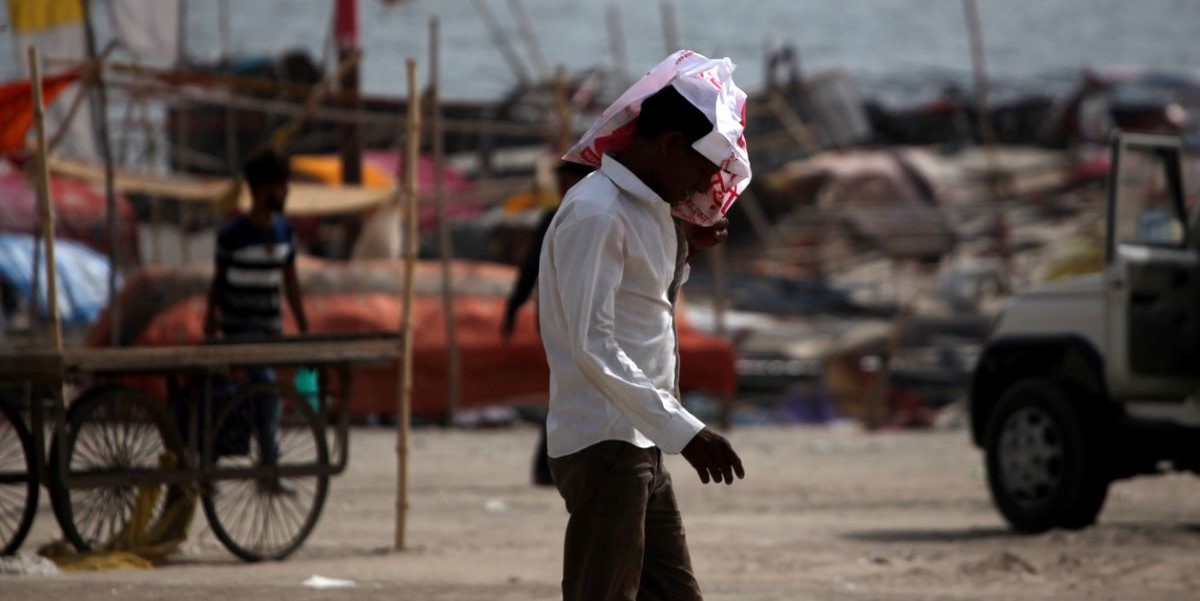
Heat wave. (iStock)

Synopsis: Telangana reported 116 heat stroke and sunstroke deaths in NCRB data for 2024, but the state’s own Heatwave Action Plan recorded only 10 deaths for the same period. The gap comes from how heat deaths are counted, with police records, hospital data and strict verification rules producing sharply different figures. As heatwave deaths rise across India, the discrepancy points to a wider problem in tracking deaths linked to extreme heat, especially among poor and vulnerable communities.
When the Ministry of Home Affairs recently released National Crime Records Bureau (NCRB) data for 2024, Telangana reported 116 deaths due to heat stroke and sunstroke.
At the same time, Telangana’s Heatwave Action Plan 2026, prepared by the Revenue (Disaster Management) Department, stated that only 10 people died due to heatwaves in the state in 2024.
Two official datasets. Two government systems. A difference of 106 lives.
The contradiction sits at the centre of India’s growing heatwave crisis and raises a larger question: how exactly are heatwave deaths counted in the country?
The NCRB, which functions under the Ministry of Home Affairs, records deaths based on police data. If a death is reported at a police station and heat stroke or sunstroke is listed as the cause, it enters the national database.
The Telangana government follows a much stricter process before officially recognising a heat-related death. Under the state’s protocol, a medical officer must certify the death, a post-mortem examination must confirm heat stroke as the cause, and officials must record the temperature at the place and time of death.
Authorities must also gather witness accounts or verbal autopsy reports and obtain verification from local officials.
Also Read: Every 36 minutes, mental illness claims a life by suicide in India; Bengaluru tops cities
A health department official familiar with the process explained that the discrepancy largely comes from how different departments document deaths.
“What happens when a person dies due to heat stroke? There are two aspects to it,” the officer said.
“One is when someone goes into the field, gets heat stroke, remains at home and dies. Then police come, visit and see that the person has died due to natural forces and not by any external means. So the police record that death in their documentation. This is one way of looking at death.”
“The other aspect is from the hospital side. Usually what happens is that a person who gets heat stroke visits a hospital, gets admitted and then dies there. The hospital records that death and sends it to the Disaster Management Department in the state. Then the state government records it.”
“So the difference comes from that part, that area, and that is why recording heatwave deaths often becomes an issue while counting the numbers,” the officer added.
A farm worker collapsing alone in a field may not have a nearby temperature record. A family unable to afford a post-mortem may never complete the process. A slum resident dying at home may leave behind no medical documentation that satisfies the protocol. An elderly person with an undiagnosed heart condition who dies during a heat event may receive a cardiac cause of death, not a heat stroke classification. The heat reached them. The protocol did not.
The result is two estimates of the same crisis. One system counts deaths that reach the police. The other counts only deaths that survive a multi-layered verification process. Somewhere between those two systems, deaths disappear from the official record.
The discrepancy becomes more striking because Telangana is not lacking in heat data.
The state operates 1,091 automated weather stations that generate hourly readings on temperature, humidity, wind speed and wind direction. The Telangana State Development Planning Society issues heat alerts through SMS, WhatsApp, LED display boards and the TS-Weather mobile application.
Its Heatwave Action Plan identifies 590 of the state’s 612 mandals as vulnerable to heatwaves. Around 1.6 crore people live in zones categorised as severe, critical or semi-critical heat-risk regions.
The plan identifies Nalgonda, Suryapet, Mancherial, Peddapalli, Jagtial, Khammam, Warangal, Karimnagar and Mahabubabad as the districts most vulnerable to extreme heat in 2026. Nalgonda alone recorded more than 80 heatwave days in 2024. Khammam frequently experiences temperatures above 46 degrees Celsius alongside humidity-driven heat stress. Adilabad touched 45.5 degrees Celsius in April 2025, the highest temperature recorded in Telangana that year.
The state knows where the heat hits hardest. It has detailed forecasts, colour-coded alerts and a 91-page action plan dedicated entirely to heatwaves. Yet its official death toll remains at 10.
Also Read: ‘This is not the next Covid,’ Dr Rajeev Jayadevan on the Andes hantavirus outbreak aboard MV Hondius
The action plan identifies the groups most exposed to extreme heat: outdoor labourers, sanitation workers, transport workers, children, elderly people, pregnant women and poor urban communities.
It notes that slum residents often live in homes built with tin sheets or tarpaulin roofs that trap heat while lacking ventilation, drinking water and access to healthcare.
The document also acknowledges a structural problem in counting heat deaths that goes beyond paperwork. People with undiagnosed heart disease, kidney disease or respiratory conditions may die during extreme heat events, but officials classify those deaths as cardiac or respiratory failure rather than heat stroke.
The heat triggers the death. The death certificate records something else. That gap means the true toll of extreme heat may be far higher than official figures can capture, however carefully they are counted.
Across India, the crisis is accelerating.
According to NCRB data, heat stroke and sunstroke deaths rose 127.9 percent nationwide in 2024, increasing from 804 deaths in 2023 to 1,832 in 2024. Bihar recorded 422 heat-related deaths. Uttar Pradesh recorded 352. Punjab recorded 183. Odisha recorded 139.
Bihar does not operate 1,091 automated weather stations or publish a 91-page heatwave action plan. Telangana does both, yet reported 10 deaths.
The India Meteorological Department has already warned that 2026 could bring an “above-normal number of heatwave days” across several regions, including Telangana. IMD Hyderabad issued orange alerts across multiple districts in March and April, before summer formally arrived.
The impact is already being felt in hospitals.
Health Minister Damodar Rajanarasimha recently directed government hospitals to install fans and coolers, repair faulty air conditioners, ensure an uninterrupted drinking water supply and create temporary cooling shelters within hospital premises.
“Increasing temperatures and humidity cause discomfort to patients, attendants, doctors and hospital staff,” the minister said.
The Heatwave Action Plan separately instructs hospitals to reserve beds for heat stroke patients, stock ORS and IV fluids, and activate emergency services during periods of extreme heat.



