

Published Jan 17, 2024 | 12:00 PM ⚊ Updated Jan 17, 2024 | 12:00 PM


Hampi was the last capital of the last Hindu Kingdom of Vijayanagara. (Arjuun Sethuraman)
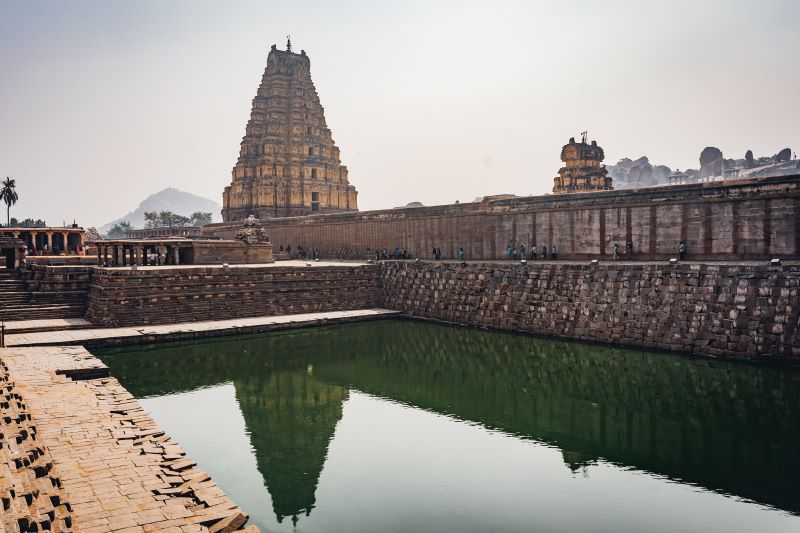
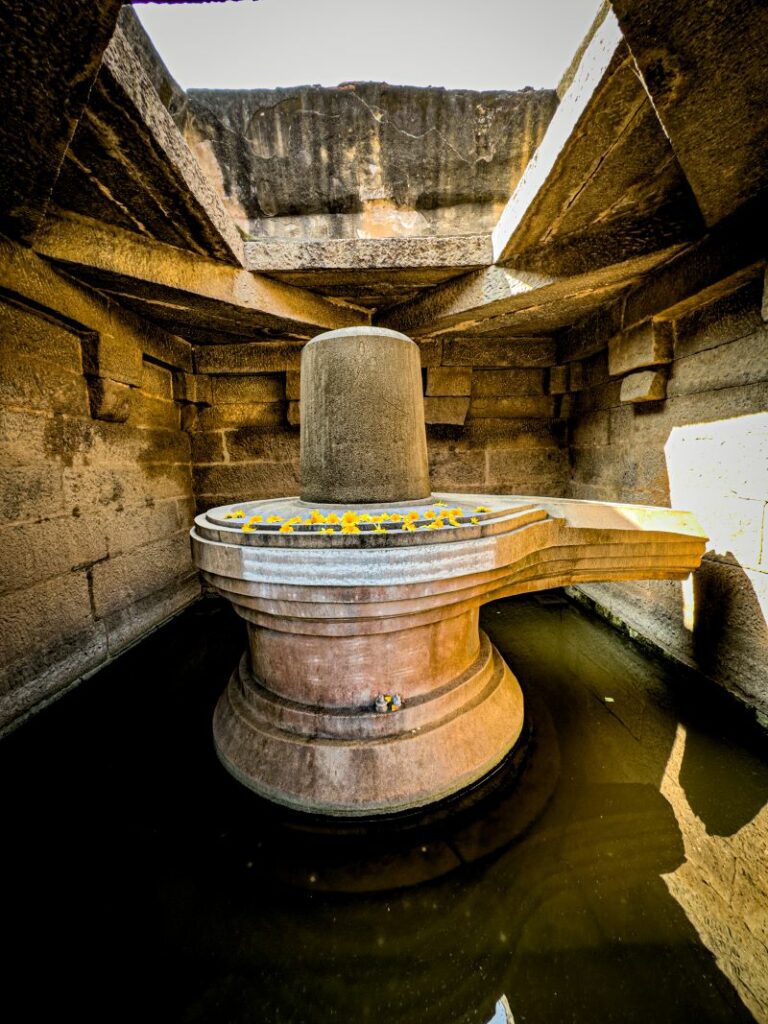
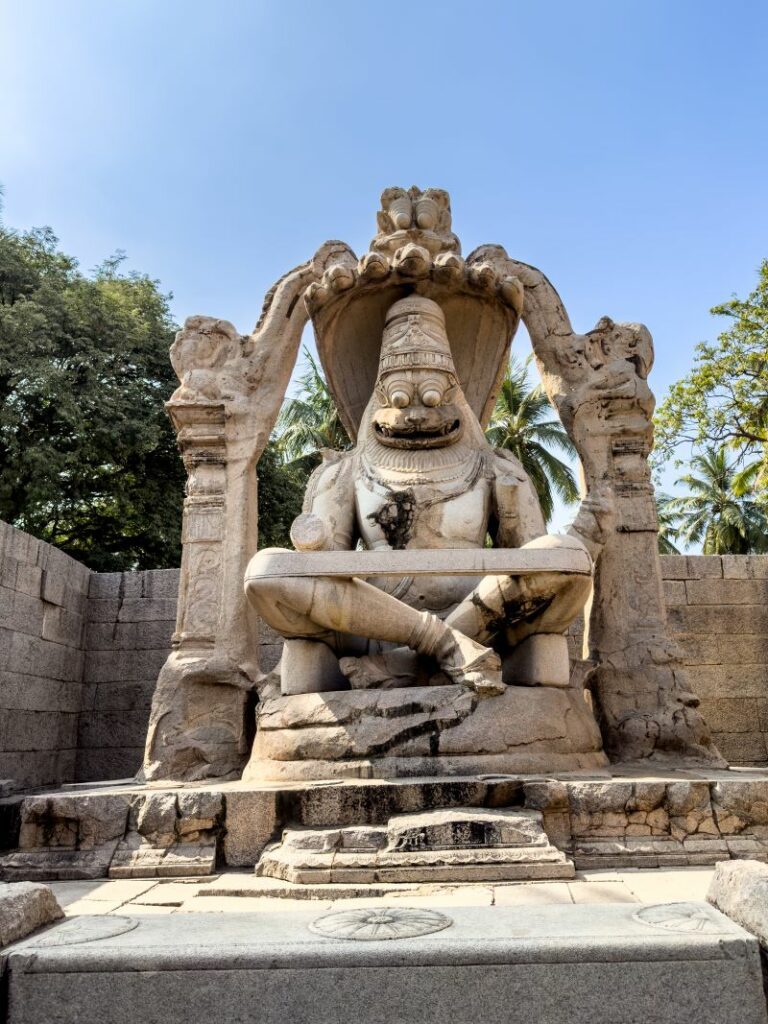
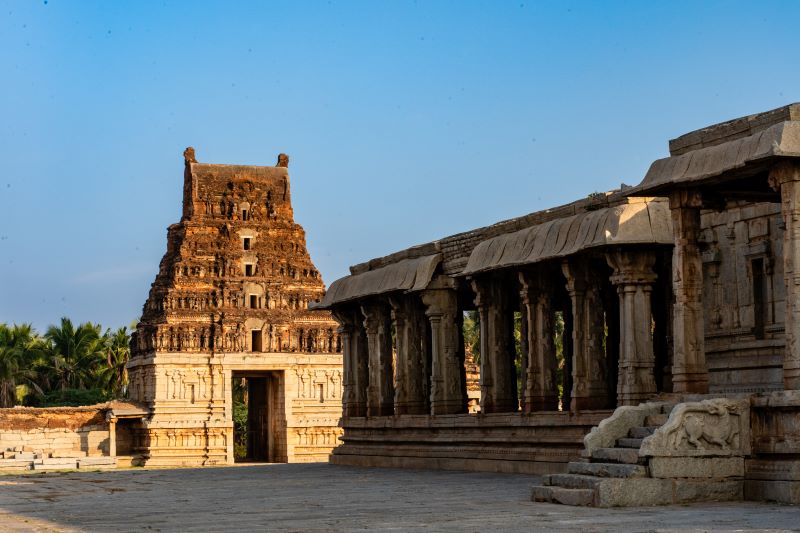
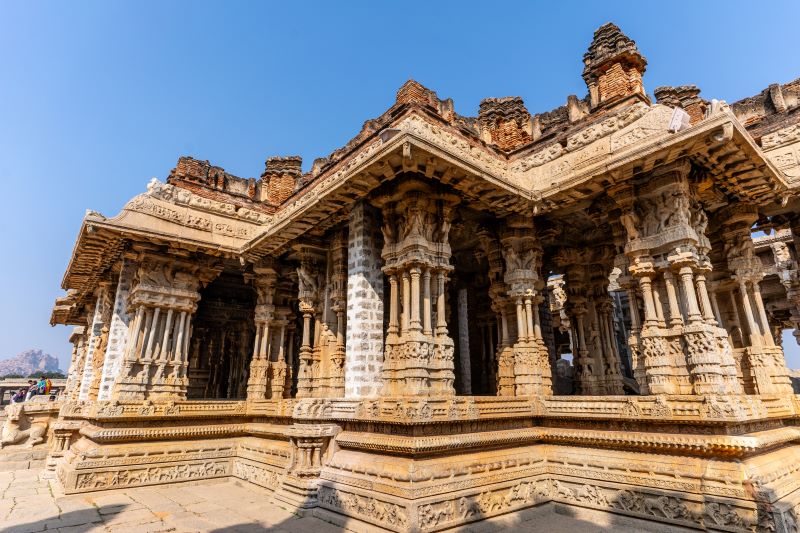
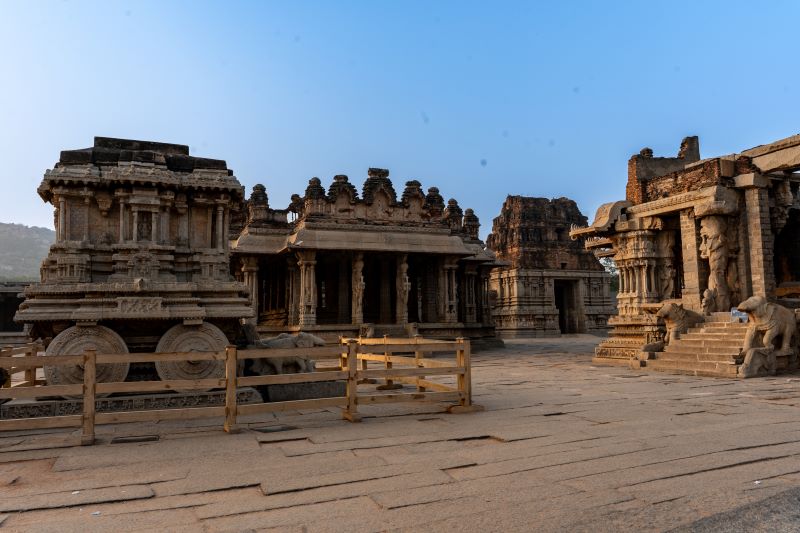
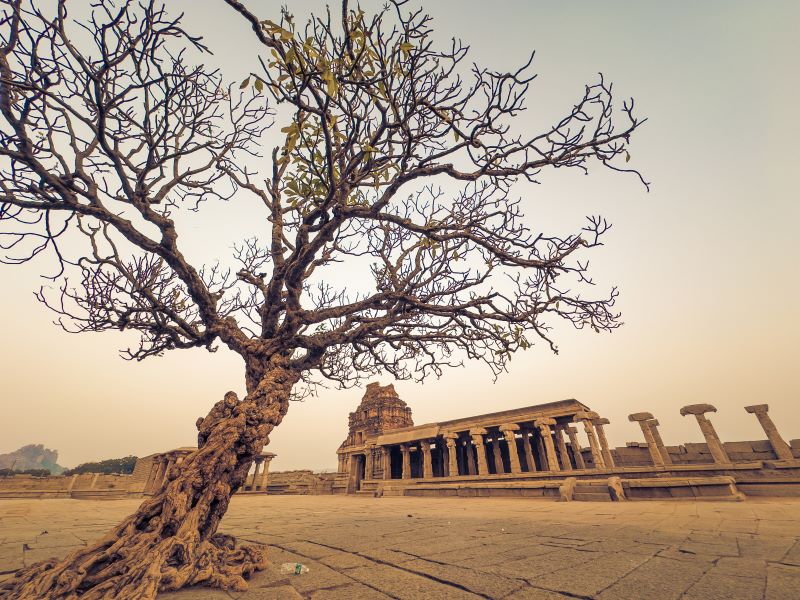
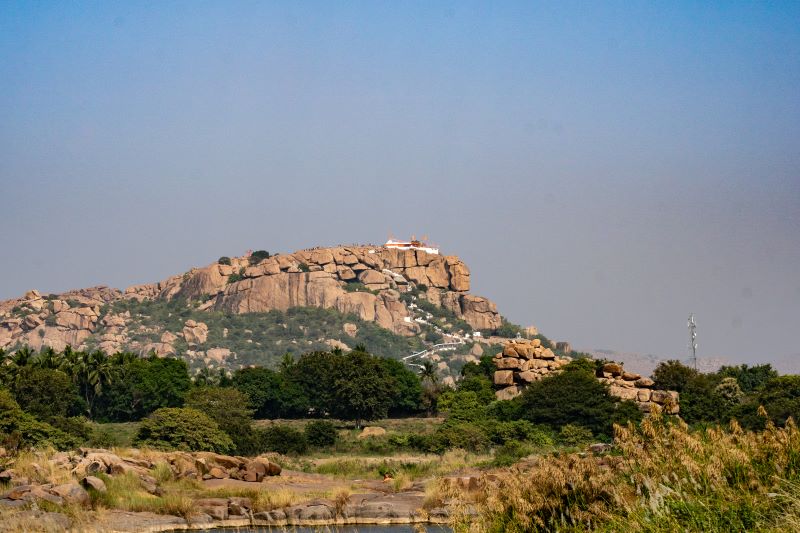
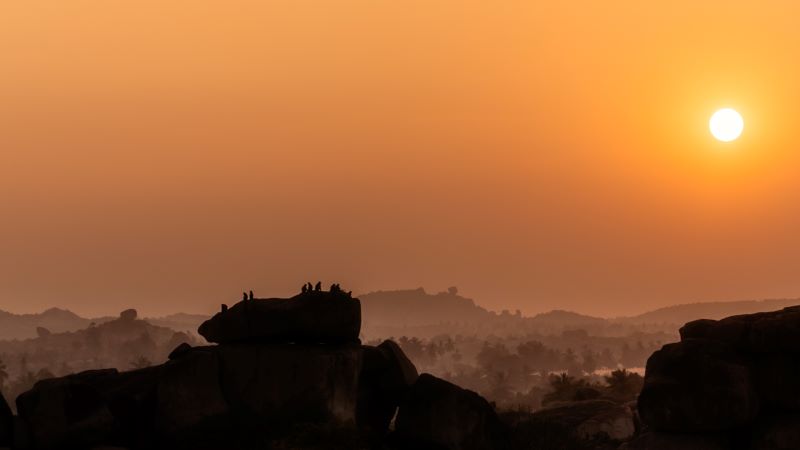
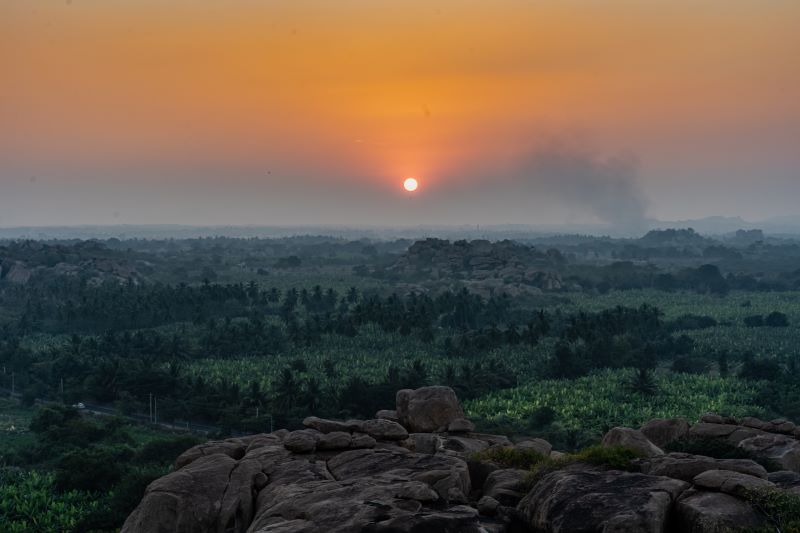
On his maiden trip to Hampi, a UNESCO World Heritage Site, Chennai-based IT professional and photographer Arjuun Sethuraman is enamoured by Karnataka’s timeless history. Walking along the banks of the Tunghabadra River, Sethuraman finds the magical allure of a bygone era in every frame.
Every sight, he says, invites one to soak in the deft stone carvings, relief sculptures, monoliths, murals, and panoramic views. The past and the present emerge in every frame as Sethuraman immerses himself in the architectural marvel of Hampi.
It is well-connected with railway stations near the city.
Hospet Junction: The nearest railway station to Hampi is Hospet Junction, situated at a distance of approximately 13 kilometres. Upon arrival, you can hire a taxi, auto-rickshaw, or take a local bus to reach the destination.
Hubli Junction: Hubli is well-connected to major cities in India, and you can find regular trains from cities like Mumbai, Pune, Chennai, and New Delhi. From Hubli, you can opt for a taxi or a bus to complete the remaining journey.
Although the historic place does not have its own airport, you can access the city by flying to nearby airports.
Hubli Airport: Located around 160 kilometres away, Hubli Airport is the closest air gateway to Hampi. Several domestic airlines operate regular flights to Hubli from cities like Bengaluru, Mumbai, and Hyderabad. After landing, you can hire a taxi or take a bus to cover the remaining distance to Hampi.
Belgaum Airport: Approximately 270 kilometres from Hampi, Belgaum Airport is another option. Domestic flights from cities like Bengaluru, Mumbai, and New Delhi are available to Belgaum. Once you arrive, you can proceed to Hampi by taxi or bus.
The UNESCO site is well-connected by road, making bus travel a convenient and budget-friendly option. State-run and private buses operate from various cities and towns to Hampi regularly.
Bengaluru to Hampi:
The journey usually takes around 7 to 9 hours, depending on the type of bus and the route.
Goa to Hampi:
If you are coming from the coastal state of Goa, there are direct buses, covering a distance of about 330 kilometres. The journey may take around 8 to 10 hours.
Hyderabad to Hampi:
From Hyderabad, you can find buses, with a travel distance of around 370 kilometres. The journey usually takes around 8 to 10 hours.
Travelling to Hampi by car offers the flexibility to explore at your own pace and enjoy scenic drives through the picturesque landscapes of Karnataka.
Bengaluru to Hampi: Take the NH48 route from Bengaluru to reach Hampi, covering approximately 340 kilometres. The journey takes around 6 to 7 hours, depending on the traffic and road conditions.
Hyderabad to Hampi: Drive via NH44 and NH50 for around 370 kilometres to reach Hampi from Hyderabad. The journey may take around 7 to 8 hours.
Goa to Hampi: Cover a distance of about 330 kilometres by taking NH748 and NH67. The journey usually takes around 7 to 8 hours.
Mumbai to Hampi: Although a longer drive, you can take NH48 and NH52 for around 650 kilometres to reach Hampi from Mumbai. The journey may take approximately 11 to 12 hours.


