

Published Mar 15, 2026 | 3:03 PM ⚊ Updated Mar 15, 2026 | 3:03 PM

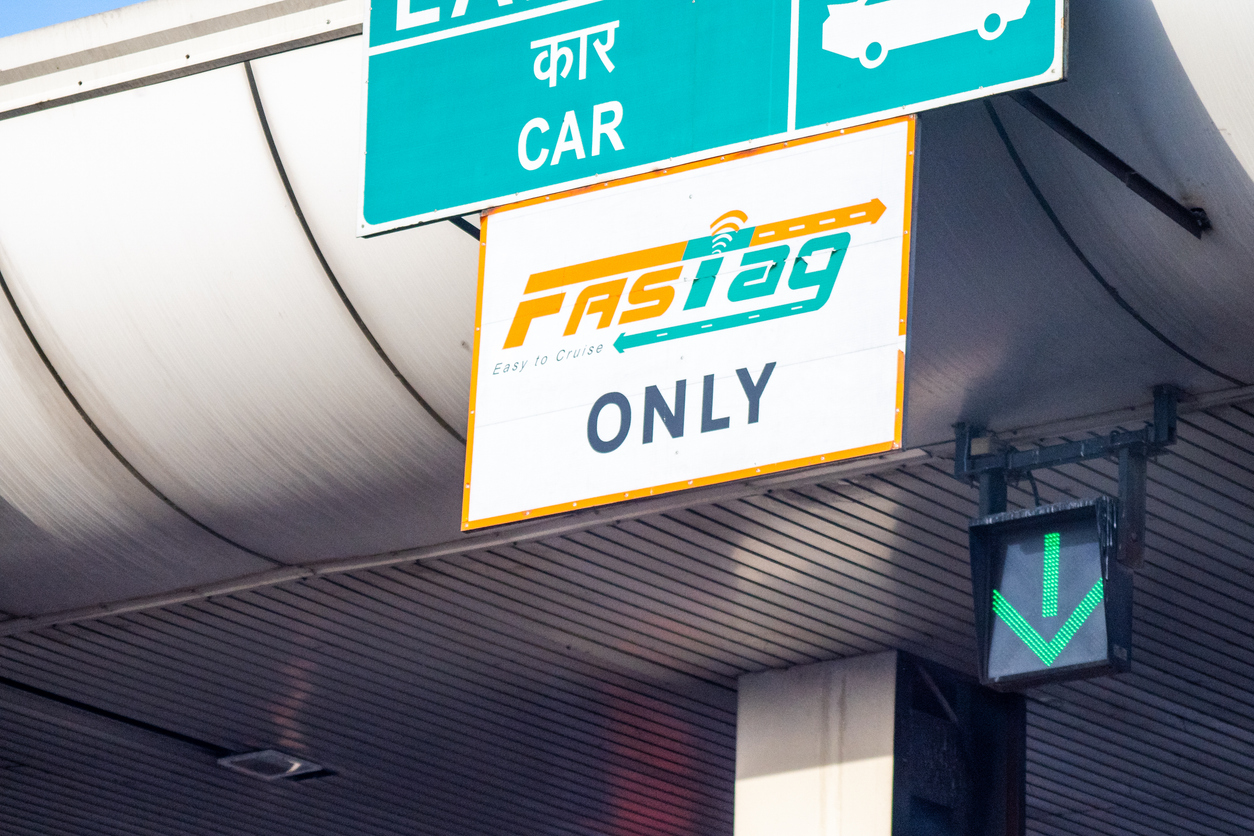
Representational image. Credit: iStock
Synopsis: NHAI has marginally increased the FASTag Annual Pass fee for non-commercial vehicles from ₹3,000 to ₹3,075, effective 1 April 2026. Launched in 2025, the scheme allows 200 toll crossings or one year’s validity. Over 50 lakh motorists use it, reflecting FASTag’s dominance in digital toll collection.
The National Highways Authority of India (NHAI) has announced a revision to the FASTag Annual Pass fee for FY 2026–27.
According to an order issued on 12 March, the cost for non-commercial vehicles will rise marginally from 1 April. Private car, jeep and van owners will now pay ₹3,075, up from the previous ₹3,000.
Introduced on Independence Day 2025, the FASTag Annual Pass was designed to ease highway travel for frequent commuters, cutting down repeated toll payments and promoting digital tolling across the national network.
The pass is available to private, non-commercial vehicles fitted with FASTag. Once activated, it allows up to 200 toll crossings or remains valid for one year, whichever comes first, regardless of the toll fee at individual plazas.
The Ministry of Road Transport and Highways (MoRTH) reports strong uptake, with over 50 lakh motorists now using the scheme. Around 28 percent of toll transactions by private cars on National Highways are conducted through the annual pass.
Since its launch in 2016, FASTag has become India’s dominant toll payment system. Government figures show 11.86 crore FASTags issued, with 5.9 crore active.
Currently, more than 98 percent of toll revenue at NH plazas is collected via FASTag.


