

Published Feb 08, 2026 | 10:59 PM ⚊ Updated Feb 11, 2026 | 3:43 PM

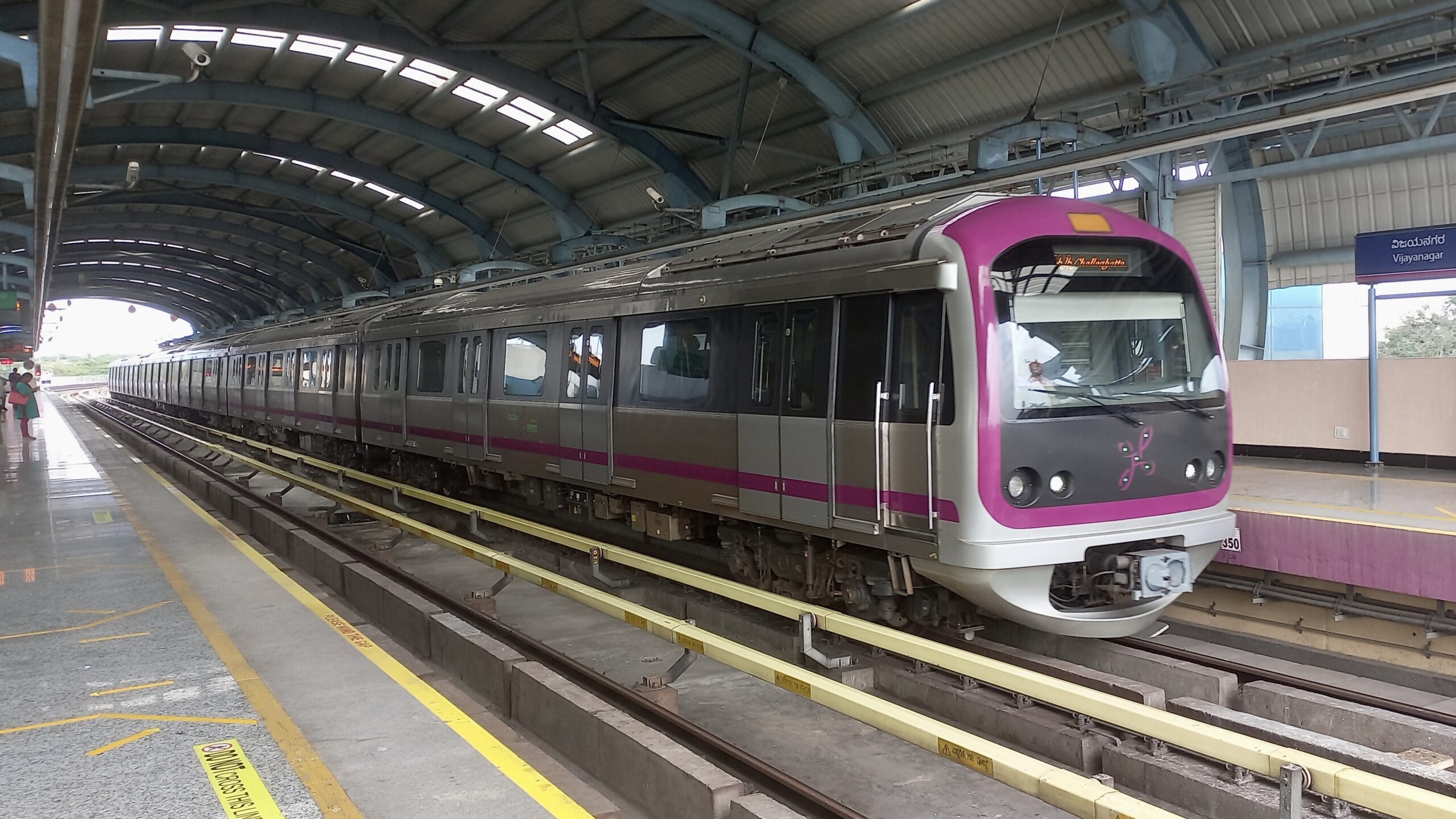
Bengaluru Metro.
Synopsis: The Bangalore Metro Rail Corporation Limited has put a proposed annual fare hike of five percent, earlier scheduled for 9 February, on hold, saying a final decision will be taken after a review by its Board. This follows intense criticism from commuters, students and civil society groups, who termed it a “betrayal of public trust”.
The Bangalore Metro Rail Corporation Limited (BMRCL) said a proposed annual fare hike of five percent, earlier scheduled for Monday, 9 February, has been put on hold.
In a statement on Sunday, BMRCL said “the Annual Fare Revision has been kept on hold till further orders” and that a “decision on the revised fare would be communicated after the Board’s review.”
The decision comes amid widespread criticism from commuters, students and civil society groups, as well as a war of words between the ruling Congress and the opposition BJP in Karnataka, with each blaming the other for the hike.
The Save Bangalore Committee and the Bengaluru Metro Commuters’ Association said the move was a “betrayal of public trust” at a time when citizens are grappling with persistent inflation and economic strain.
The proposed hike was based on recommendations made by the First Fare Fixation Committee (FFC) in 2024.
BMRCL earlier said the committee noted that the previous fare revision, carried out after a gap of 7.5 years, led to an average increase of 51.55 percent.
To prevent such steep hikes in future, the committee recommended a shift to an annual fare revision mechanism.
For many commuters who own private vehicles, the metro remains the preferred mode of transport in Bengaluru, which was ranked the second most congested city in the world in 2025.
According to congestion data released that year by Netherlands-based location technology firm TomTom, the city recorded an average traffic speed of 16.6 km per hour, with motorists spending an average of 15 minutes to travel 4.2 km.
(Edited by Dese Gowda)


