

Published Mar 15, 2026 | 7:00 AM ⚊ Updated Mar 15, 2026 | 7:00 AM

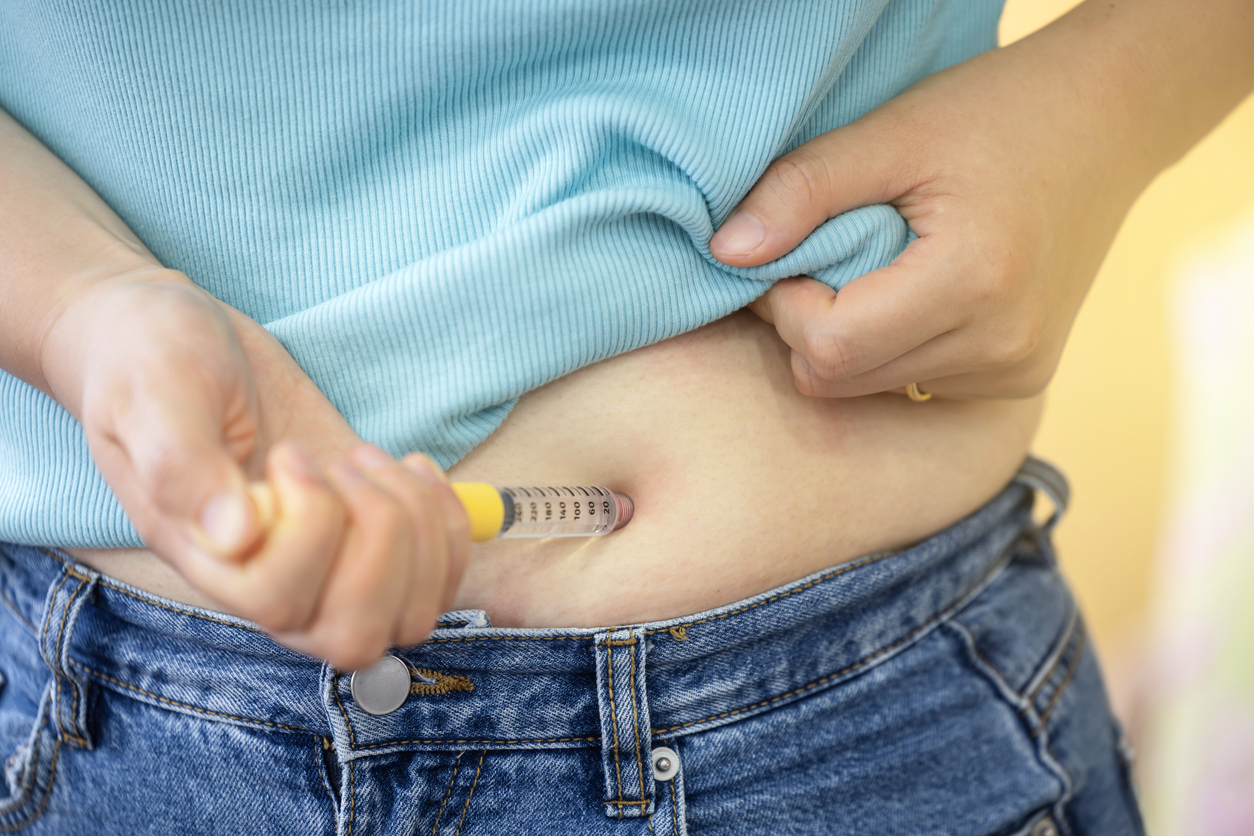
Representational image. Credit: iStock
Synopsis: Mounjaro’s rise in India’s weight management space has sparked concern after Eli Lilly warned against compounded tirzepatide products. Lab tests revealed unknown impurities when tirzepatide was mixed with additives like vitamin B12, raising safety risks. While FDA-approved Mounjaro remains safe, patients must confirm prescriptions come from licensed pharmacies and consult doctors if unsure about altered formulations.
Mounjaro has become one of the most talked-about medicines in India’s rapidly growing weight management conversation. Available here on prescription and dispensed through local pharmacies, tirzepatide, the active ingredient in Mounjaro, has attracted significant interest from patients looking to manage obesity and type 2 diabetes.
But a serious warning from Eli Lilly, the drug’s manufacturer, is raising questions that Indian patients and their doctors need to hear.
Lilly issued a stark public alert on 12 March, following its own laboratory testing of compounded tirzepatide products, versions of the drug that have been mixed with other substances outside of a regulated manufacturing process. What the company found should give pause to anyone who has sourced tirzepatide from anywhere other than an authorised pharmacy dispensing the approved product.
Compounding refers to the practice of mixing, altering, or combining medicines, typically carried out by a pharmacy. In some cases it serves a legitimate medical purpose,for instance, preparing a lower dose for a patient who cannot tolerate a standard one. However, it becomes problematic when it is done at scale, without regulatory oversight, or when untested substances are added to complex molecules like tirzepatide.
While the mass compounding of tirzepatide is primarily a concern in the United States, Indian patients are not entirely insulated from the issue. With demand for GLP-1 medicines outpacing formal supply in many parts of the world, and with informal procurement channels, including cross-border online pharmacies and unregulated preparations, increasingly accessible, the risk of encountering non-standard tirzepatide formulations is real. Even within legitimate pharmacy settings, patients should be asking questions about exactly what they are being given.
The problem is not simply that an unwanted substance has been detected. It is that nobody knows what that substance does inside the human body.
“Nothing is known about its short- or long-term effects in humans,” Lilly said in its statement, noting that the potential impact on the drug’s interaction with the GLP-1 and GIP receptors, the biological targets that make tirzepatide work, is also completely uncharacterised.
Its toxicity, the immune responses it might trigger, and how it is absorbed, distributed, and eliminated by the body are all unknown quantities.
That uncertainty is made more serious by the fact that the companies producing these combination products are not legally required to monitor patients or report adverse events. In other words, if something goes wrong, there may be no mechanism to detect it, investigate it, or warn others.
Lilly’s testing focused specifically on compounded tirzepatide products mixed with vitamin B12, an additive that appears on labels under names such as methylcobalamin, hydroxocobalamin, or cyanocobalamin. Methylcobalamin, in particular, is extremely familiar to Indian patients and doctors, widely prescribed here for nerve health and nutritional deficiency.
That familiarity may be precisely why it is being added to compounded tirzepatide formulations. It sounds reassuring. It is a known supplement. But Lilly’s findings suggest the combination is anything but straightforward.
“The impurity caused by the interaction between B12 and compounded tirzepatide is concerning because nothing is known about its short- or long-term effects in humans,” the company said, noting that the potential impact on the drug’s interaction with its biological targets, its toxicity, the immune responses it might provoke, and how the body processes it are all completely uncharacterised.
In plain terms: a new, unknown substance is being created when these two ingredients are mixed, and nobody knows what it does.
Some compounders market these combination products as personalised formulations, implying that the additions are tailored to the individual patient’s needs. Lilly pushes back on this firmly.
“Most sellers put the same untested additives in all their tirzepatide knockoffs,” the company said. “In reality, these products are not ‘personalised’ at all.”
B12 is just one of several additives being used. Lilly has also found compounders mixing tirzepatide with glycine, pyridoxine, niacinamide, carnitine, and other chemicals, none of which have been through clinical trials in combination with tirzepatide, and none of which have any proven clinical benefit for patients taking the drug. Beyond the impurity question, Lilly says it has also found bacterial contamination and high endotoxin levels in some compounded products.
For Indian patients taking Mounjaro as prescribed,the FDA-approved, Lilly-manufactured product dispensed through a licensed pharmacy, this warning is not a reason for alarm. The approved medicine has been through rigorous clinical testing, and its safety profile, while including considerations around thyroid health, pancreatitis, gastrointestinal side effects, and blood sugar management, is well understood and disclosed.
The concern is for anyone who may have received a version of tirzepatide that has been compounded, altered, or combined with additional ingredients. If you are unsure whether your medicine is the standard approved product or a modified formulation, the most important step is to ask your doctor or pharmacist directly.
If you have been taking a preparation that contains tirzepatide alongside methylcobalamin or any other additive, raise it with your physician before your next dose. Lilly’s advice is to discuss alternative treatment options with your healthcare provider.
India’s enthusiasm for GLP-1 medicines is understandable. Obesity and type 2 diabetes are significant public health challenges here, and medicines like Mounjaro represent a genuine clinical advance for many patients. But that enthusiasm also creates conditions in which shortcuts can take hold,particularly when demand is high, costs are significant, and patients are eager for access.
Lilly’s warning is a reminder that not everything labelled as tirzepatide is the same, and that additions which appear harmless,even beneficial,on the surface may introduce risks that are not yet understood. The science of GLP-1 medicines is still evolving. The science of what happens when you mix them with untested additives is, by definition, nonexistent.
If you have any doubts about what you are taking, your doctor is the right person to ask.
(Edited by Amit Vasudev)


