

Published Nov 07, 2026 | 12:55 PM ⚊ Updated Nov 07, 2026 | 12:55 PM

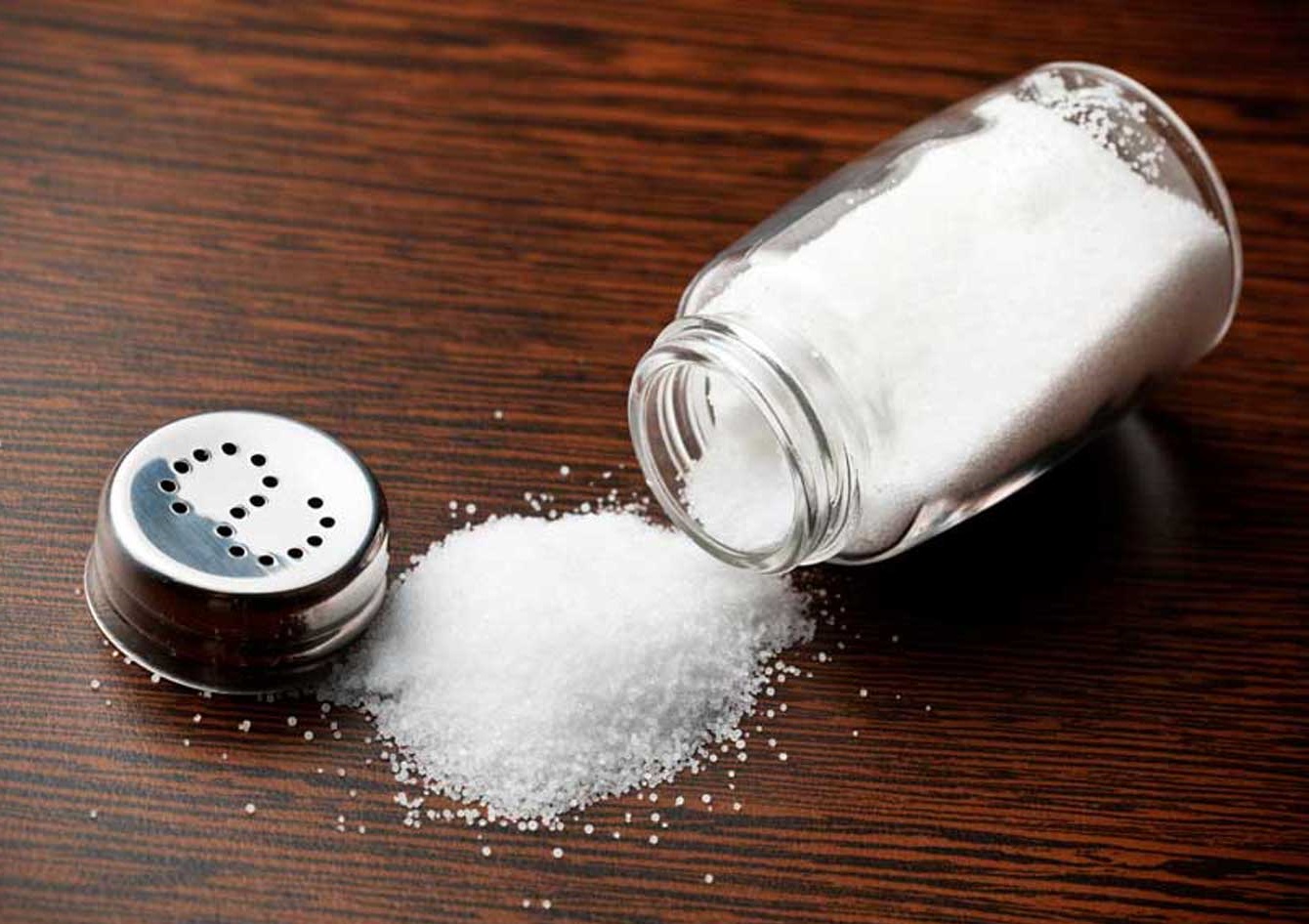
Researchers assessed the potential health benefits of replacing regular salt with potassium-enriched alternatives

Synopsis: A global study estimates that replacing regular table salt with potassium-enriched alternatives could prevent nearly four lakh deaths and 15.2 lakh new cases of cardiovascular and kidney diseases annually in India. Researchers say the switch could lower blood pressure by reducing sodium and increasing potassium intake, but warn that patients with advanced kidney disease need precautions.
India could prevent nearly 4 lakh deaths and 15.2 lakh new cases of cardiovascular and kidney diseases every year by replacing regular table salt with potassium-enriched salt, according to a new global study published in Nature Health.
The study estimated that such a nationwide shift could avert nearly 19.3 lakh fatal and non-fatal health events annually in the country.
Researchers from The George Institute for Global Health assessed the potential health benefits of replacing regular salt with potassium-enriched alternatives across 193 countries. Their modelling study estimated that a complete global switch could prevent nearly three million deaths and 10.17 million new cases of cardiovascular disease (CVD) and chronic kidney disease (CKD) every year.

India accounts for an estimated 3,99,884 preventable deaths annually, alongside 15,28,494 new cases of cardiovascular and kidney diseases. China has the highest projected gains, with 10.82 lakh deaths and 36.14 lakh new cases prevented each year.
The researchers said their findings highlight an opportunity to reduce the burden of cardiovascular disease through a relatively inexpensive dietary intervention rather than relying exclusively on drug-based treatments.
“Consuming too much sodium and not enough potassium are well-established causes of high blood pressure, a major risk factor for life-threatening conditions like strokes, heart attacks and kidney disease. Switching to potassium-enriched salt addresses both these dietary issues at the same time, with substantial health benefits,” Bruce Neal, Senior Professorial Fellow at The George Institute, said in a statement.
“While a global shift from regular salt to a potassium-enriched substitute is aspirational, this is a starting point to get countries thinking about the opportunity, with much greater potential and at a much lower cost than many drug-based treatments,” he added.
Also Read: Why are experts riled up over India’s double-fortified salt plan to fight anaemia?
Potassium-enriched salt is produced by replacing a portion of sodium chloride, the principal component of regular table salt, with potassium chloride. The substitute looks, tastes and cooks like conventional salt, but reduces sodium intake while increasing potassium consumption.
The study modelled a salt composition containing 75% sodium chloride and 25% potassium chloride, the formulation for which the researchers said there is the strongest evidence of clinical benefits and acceptability.
Excess sodium consumption increases blood pressure, while adequate potassium intake helps regulate it. High blood pressure, in turn, is a major modifiable risk factor for cardiovascular and kidney diseases.
The researchers noted that global sodium consumption remains substantially above recommended levels. Average daily sodium intake worldwide stands at 4.3 grams, more than twice the World Health Organisation’s recommended maximum of two grams. Meanwhile, average potassium consumption is 2.3 grams a day, below the WHO’s recommended minimum of 3.5 grams.
The study authors said efforts to reduce sodium consumption have faced resistance because consumers and the food industry are reluctant to accept less salty food.
“The key challenge with current efforts focused on cutting sodium intake is that they require acceptance of a less salty taste and this has proved largely insurmountable for consumers and the food industry worldwide,” the researchers noted.
“By contrast, switching to potassium-enriched salt simultaneously lowers sodium intake and increases potassium intake and can be done with no detectable effect on taste for most people and excellent overall acceptability,” they added.
The World Health Organisation endorsed the use of potassium-enriched salt substitutes in 2025 to help reduce blood pressure and cardiovascular disease risk.
Also Read: Indians pay more for pink salt that social media influencers promote
The researchers examined five possible intervention scenarios, including replacing all regular salt used in households and processed foods, replacing only household salt, replacing only salt used in processed and restaurant foods, and targeting people diagnosed with or treated for hypertension.
Replacing both household and non-household salt with potassium-enriched alternatives offered the greatest projected health benefits, preventing 2.96 million deaths and 10.17 million new cases of cardiovascular and kidney diseases annually worldwide.
Even a partial transition could produce substantial gains.
Replacing only regular table salt used in households could prevent an estimated 1.85 million deaths and 6.19 million new cases of cardiovascular and kidney diseases annually.
Replacing salt used in processed and restaurant foods alone could prevent 1.56 million deaths and 5.46 million new cases.
The researchers estimated that replacing household salt for people diagnosed with hypertension could prevent 5.9 lakh deaths globally each year. Restricting the intervention to people already receiving treatment for hypertension could prevent 4.8 lakh deaths.
The findings suggested that even targeted interventions among people with diagnosed hypertension could offer significant benefits, particularly where a broader shift in food production and consumption patterns may take longer.
Also Read: What you can use instead of regular salt
Despite the projected benefits, the researchers flagged a potential risk of hyperkalaemia, a condition in which potassium levels in the blood become excessively high.
People with advanced kidney disease may be unable to remove excess potassium efficiently, increasing their risk of complications. Certain medications can also raise blood potassium levels.
However, the study estimated that the cardiovascular benefits would outweigh the potential risks, even among people with advanced kidney disease.
Among people with stage 3 to 5 chronic kidney disease, a global switch to potassium-enriched salt was projected to prevent approximately 7.5 lakh cardiovascular deaths annually, while potentially causing around one lakh deaths due to hyperkalaemia.
This translates to more than seven cardiovascular deaths prevented for every death potentially caused by elevated potassium levels in this population.
“People with serious kidney disease and those taking medications that significantly raise blood potassium levels need to take precautions. Risks for this group can be managed effectively through patient education, product labelling, and clinical oversight,” nephrologist Professor Vivek Jha, Senior Professorial Fellow at The George Institute in India, said in a statement.
The researchers suggested better screening for kidney disease, standardised warning labels on potassium-enriched salt products and clear disclosure of potassium content in packaged foods as possible safeguards.
They also suggested that people with advanced kidney disease should receive clinical guidance before using these substitutes.
Also Read: Like too much salt in your diet?
The researchers said the benefits of potassium-enriched salt would depend on how countries approach its adoption, particularly because the sources of sodium consumption vary across regions.
In countries where most salt intake comes from household cooking, replacing regular table salt could deliver substantial benefits. However, in Europe and North America, more than 70% of sodium intake comes from processed and restaurant foods, making food-industry participation essential.
“To realise the maximum benefits from switching to potassium-enriched salt, we need to see the food industry in Europe and North America, where over 70% of salt intake comes from processed and restaurant foods, get on board. This would also require investigating ways to scale up the production of potassium chloride to meet demand,” Neal said.
The researchers cautioned that a global transition would take considerable time. Potassium-enriched salt currently costs, on average, twice as much as regular salt, partly because potassium chloride is more expensive and the product is marketed as a specialised health alternative.
They said increasing production, achieving economies of scale, improving retail availability and bringing prices closer to conventional salt would be important to encourage wider adoption.
The study, which used published data and modelling across 193 countries, also acknowledged limitations, including gaps in country-specific information on sodium consumption from household versus processed foods.
The researchers said the estimates represent potential health gains rather than immediately achievable outcomes. They called for country-specific implementation strategies and further research to determine how to introduce the intervention across different food systems.
The study’s estimates are based on mathematical modelling and should not be interpreted as observed reductions in deaths or disease cases following an actual nationwide switch.
(Edited by Majnu Babu).



