

Published Nov 11, 2026 | 7:00 AM ⚊ Updated Nov 11, 2026 | 7:00 AM

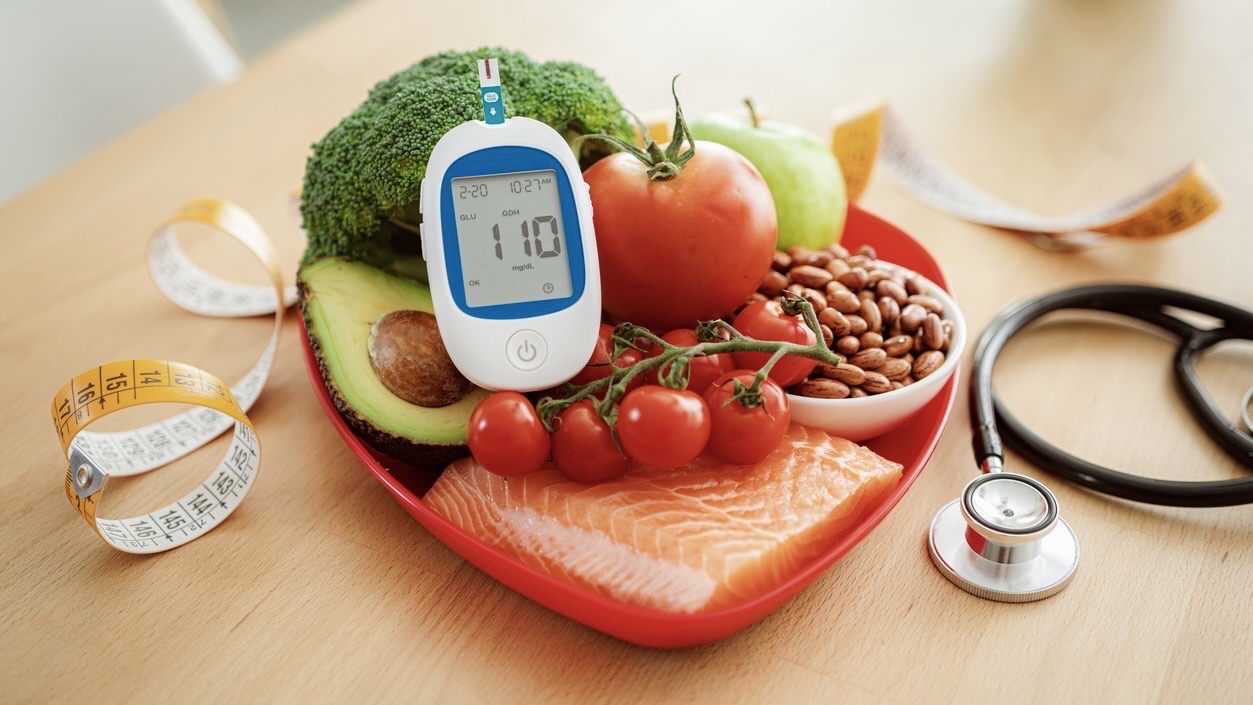
India has an estimated 101 million adults living with diabetes, while another 136 million have prediabetes.

Synopsis: A review published in Diabetes Therapy highlights the two-way relationship between diabetes and cancer, finding associations with 21 of 24 common cancers. It also examines South Indian evidence linking type 2 diabetes with oral cancer and warns that cancer treatments can trigger diabetes, calling for integrated metabolic monitoring and cancer care.
Diabetes may increase the risk of several cancers, including pancreatic, liver, colorectal, breast and endometrial cancers, while cancer and its treatment can also lead to diabetes, according to a review published in Diabetes Therapy.
The review, titled The Bidirectional Relationship Between Diabetes and Cancer: Mechanistic Insights, Epigenetic Intermediaries, and Therapeutic Approaches, examines how the two diseases influence each other through shared metabolic, inflammatory and molecular pathways.
The researchers cite a nationwide analysis involving nearly five million people, which found an increased incidence of 21 of 24 common cancers among people with diabetes. The relative increase in risk ranged from 11 percent for non-Hodgkin lymphoma to more than 200 percent for liver cancer.
The review also highlights evidence from South India linking type 2 diabetes with oral cancer, while warning that some cancer treatments can disrupt glucose metabolism and increase the risk of developing diabetes.
India has an estimated 101 million adults living with diabetes, while another 136 million have prediabetes, according to the ICMR-INDIAB study cited in the review.
The authors describe the relationship as complex and caution against assuming that diabetes directly causes every cancer associated with the condition.
“Although the term ‘bidirectional relationship’ is widely used to describe the diabetes–cancer axis, the interactions between these conditions are heterogeneous and should be interpreted within their distinct biological and clinical contexts,” the authors said.
The review identifies pancreatic and liver cancers as having some of the strongest associations with diabetes. Other cancers associated with higher incidence among people with type 2 diabetes include colorectal, breast, endometrial, bladder, kidney, gallbladder, thyroid, stomach and ovarian cancers.
However, the association varies according to cancer type and individual risk factors. The review notes that diabetes has been associated with a lower incidence of prostate cancer in men, potentially because of lower testosterone and prostate-specific antigen levels, as well as differences in cancer detection.
The authors also cite evidence that women with breast cancer and coexisting diabetes had higher all-cause mortality. The association was particularly pronounced among women with obesity, with a reported hazard ratio of 2.49.
The review explains that diabetes and cancer share several risk factors, including ageing, obesity, physical inactivity and chronic inflammation. These factors can contribute to the development of both conditions.
“Importantly, diabetes and cancer share several common antecedent risk factors, including aging, adiposity, sedentary lifestyle, and chronic inflammation, that contribute to their frequent coexistence,” the authors said.
Also Read: A schoolgirl and a fit marathon runner: What is behind sudden cardiac deaths in the young?
The review highlights studies conducted at tertiary diabetes and cancer care centres in South India that reported a higher prevalence of diabetes among people with oral cancer. Other studies found an increased frequency of self-reported oral cancer among people with type 2 diabetes.
Poor blood sugar control was also associated with worse clinical outcomes among patients living with both conditions.
The researchers point to changes in insulin and insulin-like growth factor signalling, particularly alterations in the IGF-1/IGFBP pathway and activation of the WNT pathway, as possible mechanisms connecting metabolic dysfunction with oral cancer development and progression.
“India bears one of the highest global burdens of oral cancer, and emerging evidence suggests a clinically meaningful association between T2D and oral malignancies,” the review said.
The authors added that poor glycaemic control could adversely influence outcomes among people with both diabetes and oral cancer, underlining the importance of monitoring metabolic health during cancer care.
The review identifies four major biological mechanisms that could connect diabetes with cancer: persistently high blood sugar, insulin resistance, chronic inflammation and altered cellular energy metabolism.
Persistent high blood sugar can increase the production of reactive oxygen species and advanced glycation end-products. These contribute to oxidative stress and DNA damage, potentially leading to mutations and changes that encourage cancer development.
Insulin resistance, a characteristic of type 2 diabetes, can also lead to persistently elevated insulin levels. This can activate insulin and insulin-like growth factor 1 signalling pathways, encouraging cell proliferation and tumour growth while reducing programmed cell death.
Chronic low-grade inflammation is another possible link. The review explains that inflammatory molecules such as interleukin-6 and tumour necrosis factor alpha can activate pathways involved in cancer development and progression.
The authors also examine epigenetic changes, which affect how genes function without changing the underlying DNA sequence. DNA methylation, histone modifications and non-coding RNAs can influence genes involved in insulin signalling, inflammation, cell growth and tumour suppression.
However, the authors caution that evidence linking changes in gut bacteria and sex-specific epigenetic signatures directly to cancer risk remains limited. Much of the available evidence comes from laboratory experiments and observational studies.
The relationship works in the opposite direction as well. The review estimates that diabetes affects approximately 8 percent to 18 percent of cancer patients worldwide.
A pooled analysis of 13 cohort studies cited by the authors found that cancer survivors had a 39 percent higher risk of developing diabetes than people without cancer.
Pancreatic cancer can disrupt glucose metabolism by damaging insulin-producing cells. Surgery or radiotherapy involving the pancreas can also contribute to secondary diabetes.
Certain cancer treatments may further increase the risk. Glucocorticoids such as dexamethasone, commonly used alongside chemotherapy, can increase insulin resistance and stimulate glucose production in the liver.
The review also identifies mammalian target of rapamycin (mTOR) inhibitors and PI3K/AKT inhibitors as treatments that can interfere with insulin signalling and glucose regulation. Immune checkpoint inhibitors can trigger autoimmune diabetes resembling type 1 diabetes in some patients.
Androgen deprivation therapy, used to treat prostate cancer, has also been associated with insulin resistance and a higher risk of diabetes.
The authors said these treatment-related effects make metabolic monitoring important during cancer care.
Also Read: Ask an AI chatbot for a medicine, and you may get the same brand again and again, study finds
The review calls for closer coordination between diabetes and cancer services, arguing that the relationship between the two conditions remains under-recognised in routine clinical practice.
The authors suggest that diabetes clinics could help identify warning signs of cancer, particularly among patients reporting unexplained weight loss, anaemia, jaundice or persistently elevated inflammatory markers.
Similarly, cancer patients receiving treatments that can affect glucose metabolism may benefit from periodic blood glucose assessments.
“From a translational perspective, diabetes clinics may provide a valuable opportunity for early cancer detection, particularly in individuals presenting with unexplained weight loss, anemia, jaundice, or persistent inflammatory markers,” the authors said.
They also identify physical activity and dietary modification as approaches that could improve insulin sensitivity and reduce inflammation. The review discusses the potential of metformin, an established diabetes medication, in influencing cancer-related pathways, but does not establish it as a cancer-prevention treatment.
The authors emphasise the need for further clinical research to establish whether epigenetic markers can help predict cancer risk among people with diabetes and whether these pathways can be targeted through treatment.
(Edited by Dese Gowda)



