

Published Oct 11, 2026 | 11:38 AM ⚊ Updated Oct 11, 2026 | 11:38 AM

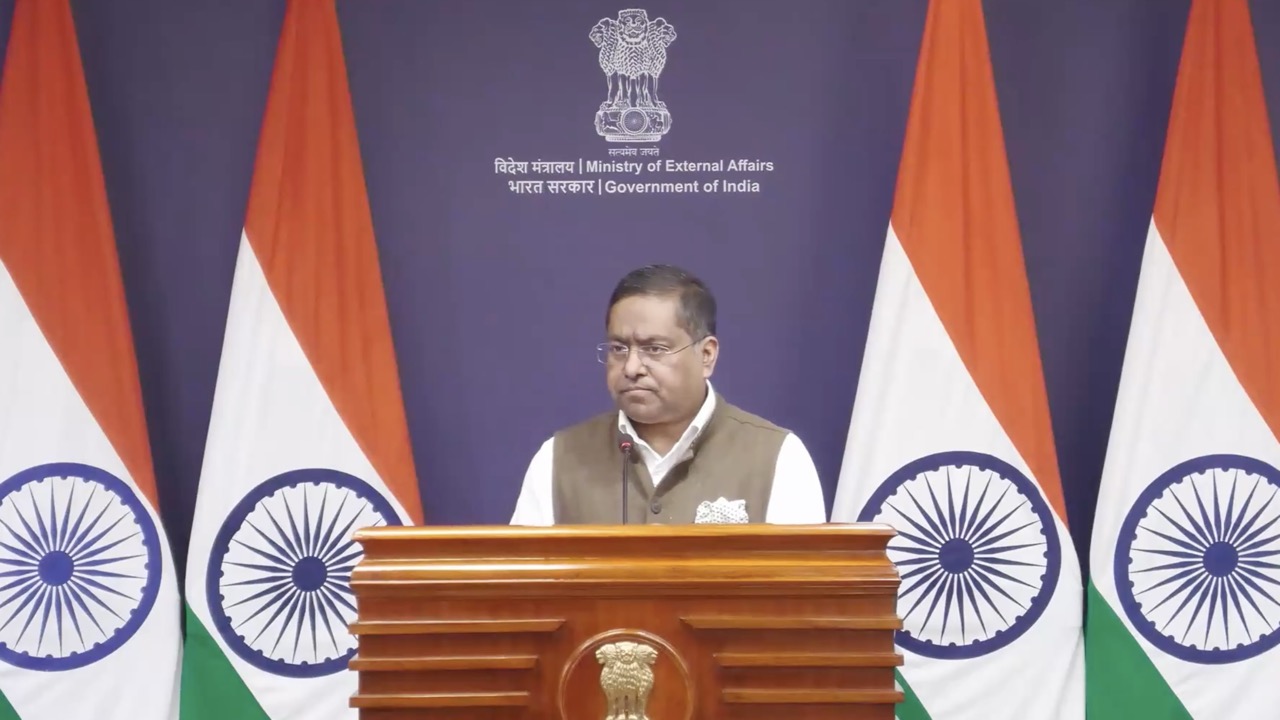
Ministry of External Affairs spokesperson Randhir Jaiswal.

Synopsis: The Ministry of External Affairs has rejected the UN human rights body’s concerns over mass detentions during anti-SIR protests in Delhi, calling them “unwarranted” interference in India’s internal affairs. The OHCHR has urged the authorities to uphold the right to peaceful assembly, release those arbitrarily detained and engage in dialogue, after the Delhi police detained more than 3,000 people on Saturday.
The Ministry of External Affairs (MEA) has termed the United Nations human rights body’s concerns over the mass detention of protesters in Delhi during the anti-SIR protests on Saturday “unwarranted” and an “unacceptable interference in the internal affairs of India”.
In a statement issued on 11 October in response to remarks by the Office of the United Nations High Commissioner for Human Rights (OHCHR), the MEA accused the body of applying different standards to protests and law enforcement actions in different countries.
“As in every democracy, Indian citizens exercise this right subject to the maintenance of public order and safety. Our law enforcement authorities act strictly in accordance with the law, and our courts remain available to all for the redressal of any grievances. The OHCHR’s concerns are therefore unwarranted and constitute an unacceptable interference in the internal affairs of India,” the Ministry said.
“We also note that the OHCHR has an approach of extreme selectivity when it comes to public positions. Violent responses to protests in our neighbourhood have gone uncommented, as indeed have law enforcement actions in its own vicinity. Such double standards only erode the credibility of its standing and contribute to the loss of faith in multilateralism.”
Statement on remarks made by the Office of the High Commissioner for Human Rights
🔗 https://t.co/9ytpGDUgqR https://t.co/KfFqYpenrG
— Randhir Jaiswal (@MEAIndia) October 11, 2026
The response came a day after the OHCHR expressed concern over reports of mass detentions in India of demonstrators, protest leaders, members of civil society organisations, lawyers and journalists during protests called by the CJP, with support from Left organisations, demanding the resignation of Chief Election Commissioner Gyanesh Kumar and the scrapping of the contentious Special Intensive Revision (SIR) of electoral rolls.
Also Read: Woman alleges sexual assault by police officer during anti-SIR protest in Chennai
Delhi was placed under its biggest security lockdown since the COVID-19 pandemic ahead of the protests. More than 26,000 police personnel were deployed across the city, barricades were erected at several locations and the police prepared 12 detention centres, which began filling up as the day progressed.
By Saturday evening, around 3,000 people had been taken into custody. Protesters travelling by train were also detained.
The restrictions extended across the capital. Forty-five Metro stations were shut, internet services were suspended, student neighbourhoods were barricaded and police personnel were deployed outside major campuses. Bus services and cab movement into Connaught Place were severely curtailed. Authorities also regulated long-distance trains arriving in Delhi and promulgated prohibitory orders.
Among those detained was former Kerala Chief Minister and senior Communist Party of India (Marxist) leader Pinarayi Vijayan. CPI(M) general secretary M.A Baby and several others accompanying him were also taken into custody.
Before CJP founder Abhijeet Dipke was detained, several CPI(M) central committee members staying at Kerala House, on the same road as Jantar Mantar, attempted to march towards the protest site.
The protests were called to demand Kumar’s resignation and the withdrawal of the SIR, which Opposition parties have alleged has deprived crores of citizens of their right to vote.
The Congress has called for a mass mobilisation in Delhi on Monday, 12 October.
(Edited by Dese Gowda)



