

Published Nov 06, 2026 | 2:00 PM ⚊ Updated Nov 06, 2026 | 2:00 PM

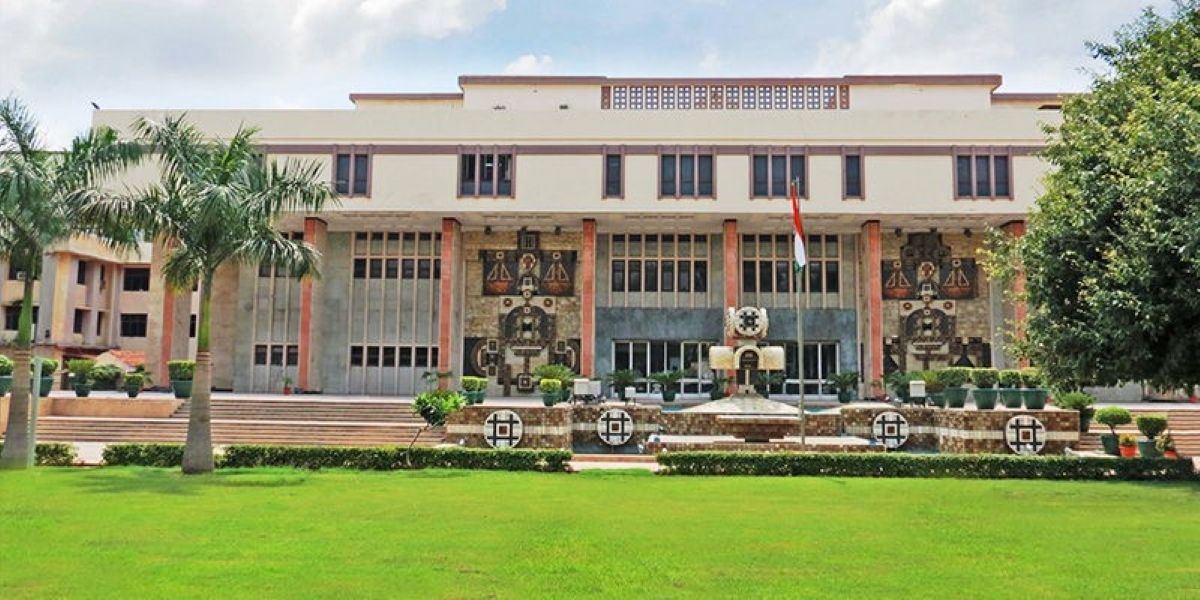
Delhi High Court. (Creative Commons)

The social media platform X, told the Delhi High Court on Friday, 6 November, that the notices directing it to block the handles of Internet Freedom Foundation (IFF) and Software Freedom Law Centre (SFLC) were sent by an imposter and not Delhi Police.
According to Bar and Bench, the submission was made before Justice Amit Mahajan during the hearing of petitions moved by IFF and SLFC challenging the notices stated to have been issued to X by Delhi Police.
The counsel representing X informed that the social media handles of IFF and SFLC will not be taken down, and stated to the court: “It was an imposter. We have done an internal investigation and it turn out this was an imposter. We have filed a complaint with Delhi Police.”
Following which, the Court disposed of both petitions in those terms, with liberty to the petitioners to approach the Court afresh if any action is taken.
X submitted that, on an internal investigation, the email from which the reports were submitted appears to be fake, that it has filed a complaint with the Delhi Police, and that it is not likely to take action on the reports at this stage. On Mr Sibal’s submission, the Court recorded X’s statement and disposed of both petitions in those terms, with liberty to the petitioners to approach the Court afresh if any action is taken. (9/10)
— Internet Freedom Foundation (IFF) (@internetfreedom) November 6, 2026
The IFF shared on X, that On 29 October 2026, an email from a Proton Mail address reached IFF,
SFLC and the operator of geoblockedindia.
“It enclosed a “Legal Notice” said to be issued on behalf of the Rashtriya Swayamsevak Sangh, calling on the three to stop publicly opposing Government directions under the IT Act, to stop documenting restricted content, and to confirm compliance within seven days. The notice named no advocate, carried no enrolment number and cited no provision of law. We published it and our reply the next day.”
Noting that neither Delhi Police or Home Ministry wrote to them, IFF said, “Our petition argued that defamation under Section 356 BNS is a non-cognizable offence that proceeds only on a complaint by the person aggrieved, before a Magistrate, and that a police officer cannot decide it through a web form. It also argued that a public reporting form is not a lawful intimation under Rule 3(1)(d), which requires a reasoned written order from an officer specially authorised by the appropriate Government.”
Our petition argued that defamation under Section 356 BNS is a non-cognizable offence that proceeds only on a complaint by the person aggrieved, before a Magistrate, and that a police officer cannot decide it through a web form. It also argued that a public reporting form is not a lawful intimation under Rule 3(1)(d), which requires a reasoned written order from an officer specially authorised by the appropriate Government. (7/10)
— Internet Freedom Foundation (IFF) (@internetfreedom) November 6, 2026
The IFF further raised questions.
The organisation asked how someone was able to submit two reports to X in the name of a serving Special Commissioner of Police, using an email address in the Delhi Police’s domain, and three organisations and sixteen users were placed under a three-hour removal threat on that basis.
“A false report in a public servant’s name, made to procure the removal of lawful speech, is itself an offence. X’s complaint is now before the Delhi Police, and it is for the Delhi Police to investigate who made the reports and to say so publicly. The Delhi Police did not respond to our notice of 3 November, and has made no public statement about reports submitted in the name of one of its most senior officers; we hope that X’s complaint will prompt one,” it added.
The organisation further advised, “The episode also carries a lesson for every platform that receives requests from Government and law enforcement: a request from an official-looking email address is not the same thing as a lawful intimation under Rule 3(1)(d), and the safeguards in that Rule, including a reasoned order from a specially authorised officer, exist precisely so that requests can be tested before they are acted upon”
Also Read: Gangsters vs protesters: Abhijeet Dipke questions differential treatment of Delhi Police
(Edited by Sumavarsha)



