

Published Nov 27, 2026 | 6:34 PM ⚊ Updated Nov 27, 2026 | 6:34 PM

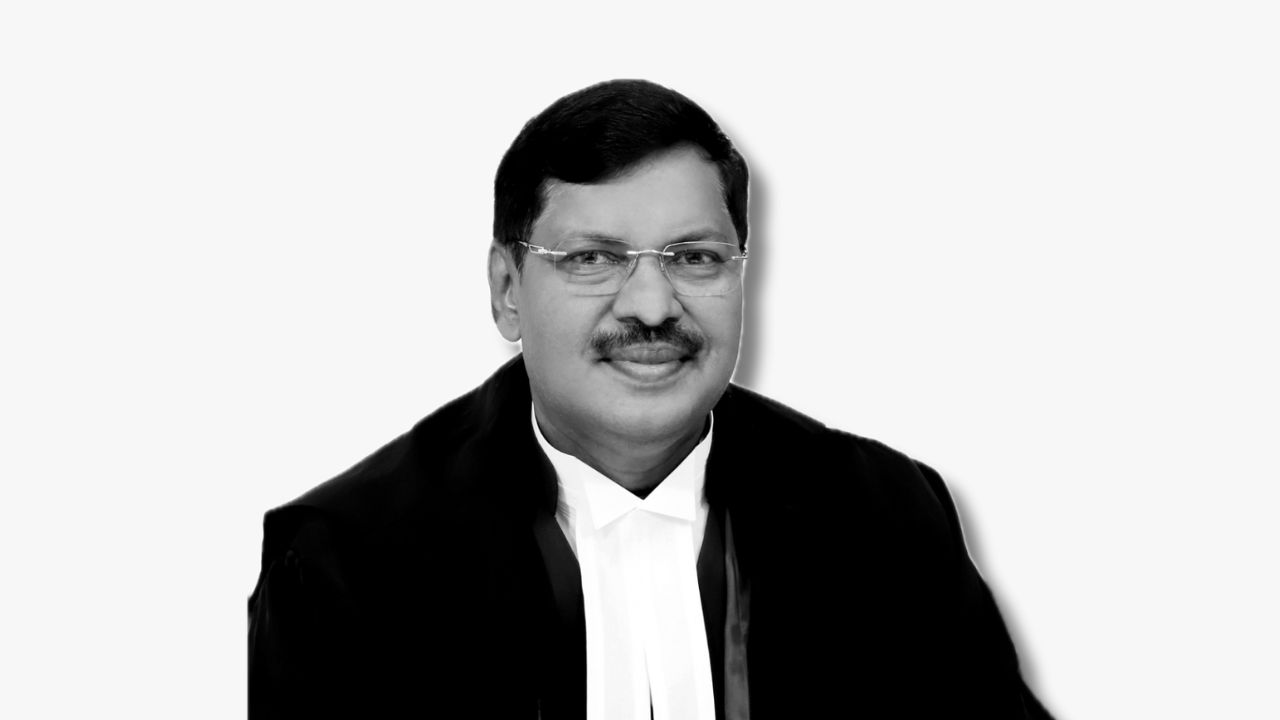
Former CJI BR Gavai.

Former Chief Justice of India BR Gavai on Friday, 27 November, wrote to President Droupadi Murmu, seeking her intervention to end disregard for inclusivity and diversity in judicial appointments.
In a letter addressed to the President, Justice Gavai wrote: “I do not write lightly, nor write in anger. I write with a sense of responsibility to highlight to your good office a worrying trend that has emerged and requires immediate remedial measures by all stakeholders.”
“When I was a part of the collegium and was Chief Justice of India, I always followed the principles of diversity and inclusion. Adequate representation was ensured to different sections of the society, including those belonging to the forward sections of the society and also to the marginalised sections of the society including scheduled castes, tribes, other backward classes, minorities and women, while considering candidates for recommendation for elevation to High Court and Supreme Court.”
“However, in the recent past, disturbing events have unfolded, showing complete disregard for principles of merit and inclusivity. Candidates belonging to one particular section of the society are being favoured for recommendation/elevation to the exclusion of everyone else, including marginalised communities including scheduled casts, tribes, other backward classes, minorities, women and even persons from forward sections of the society who are not from a particular community,” he noted.
#BREAKING : Former Chief Justice of India BR Gavai writes to President Droupadi Murmu seeking her intervention in judicial appointments and transfers, alleging that recent Collegium recommendations favour a particular community at the expense of merit, diversity and inclusivity.
In a strongly worded three-page letter, former CJI Gavai alleges:
• A community comprising less than 5% of India’s population has had over 40% representation in the Supreme Court.
• Judges previously transferred on punitive considerations are now being rewarded with appointments as Chief Justices of prominent High Courts.
• A meritorious and hardworking Chief Justice has been transferred to a smaller High Court to accommodate another judge.
• Recent recommendations have sidelined marginalised communities, minorities, women and even members of other forward communities.
Gavai asserts that the primacy of Collegium recommendations does not make the Collegium unaccountable or absolve the President of her constitutional duties.
“I am constrained to voice my dissent and disappointment,” he writes.
The letter also marks copies to Prime Minister Narendra Modi and Union Law Minister Arjun Ram Meghwal.
#SupremeCourt #Collegium #Judiciary
— Bar and Bench (@barandbench) November 27, 2026
According to Bar and Bench, the three-page letter also alleged that, “A community comprising less than 5% of India’s population has had over 40% representation in the Supreme Court.”
“I may not be misunderstood as being opposed to any section of the society in so far as the candidates belonging to forward sections are duly considered and my endeavour has always been to strike a balance between all the sections. However, now there (are) compelling circumstances which support the perception that increasingly recommendations are being made with a focus on appeasing and rewarding a single community,” the letter further read.
Further, according to Livelaw, in the letter, Justice Gavai also referred to data cited by Union Law Minister Arjun Ram Meghwal in the Rajya Sabha in March 2025, according to which, of the 715 High Court judges appointed since 2018, 22 belonged to Scheduled Castes, 16 to Scheduled Tribes, 89 to Other Backward Classes and 37 to minorities.
He has noted that roughly three out of every four appointees came from the general category.
Gavai has further cited figures concerning appointments between January 2021 and January 2026, observing that the share of judges belonging to forward communities was close to 80 per cent, while representation of Other Backwards Classes may have been around 40 to 50 per cent of the population but had received less than 14 per cent representation among appointments.
Raising concerns over transfers and elevations of judges, Justice Gavai referred to a recommendation involving a Chief Justice who was transferred from a High Court to another smaller High Court and was subsequently recommended for appointment as Chief Justice of a prominent High Court. Justice Gavai has highlighted that, at the same time, a meritorious and hard-working Chief Justice was transferred to a smaller High Court to make way for the appointment.
Also Read: Why the NDA hit pause on women’s reservation and the delimitation bill
Referring to Article 124(2) of the Constitution, Gavai said that although the Collegium’s recommendations hold importance, this does not mean it is free from accountability or that the President has no role to play.
He said the executive is an equal partner in the appointment and transfer of judges to constitutional courts.
He also urged President Murmu to step in as she considers appropriate to ensure fair representation of all sections of society in the judiciary, which he described as a key pillar of Indian democracy.
(Edited by Sumavarsha.)



