

Published Oct 15, 2026 | 2:52 PM ⚊ Updated Oct 15, 2026 | 2:58 PM

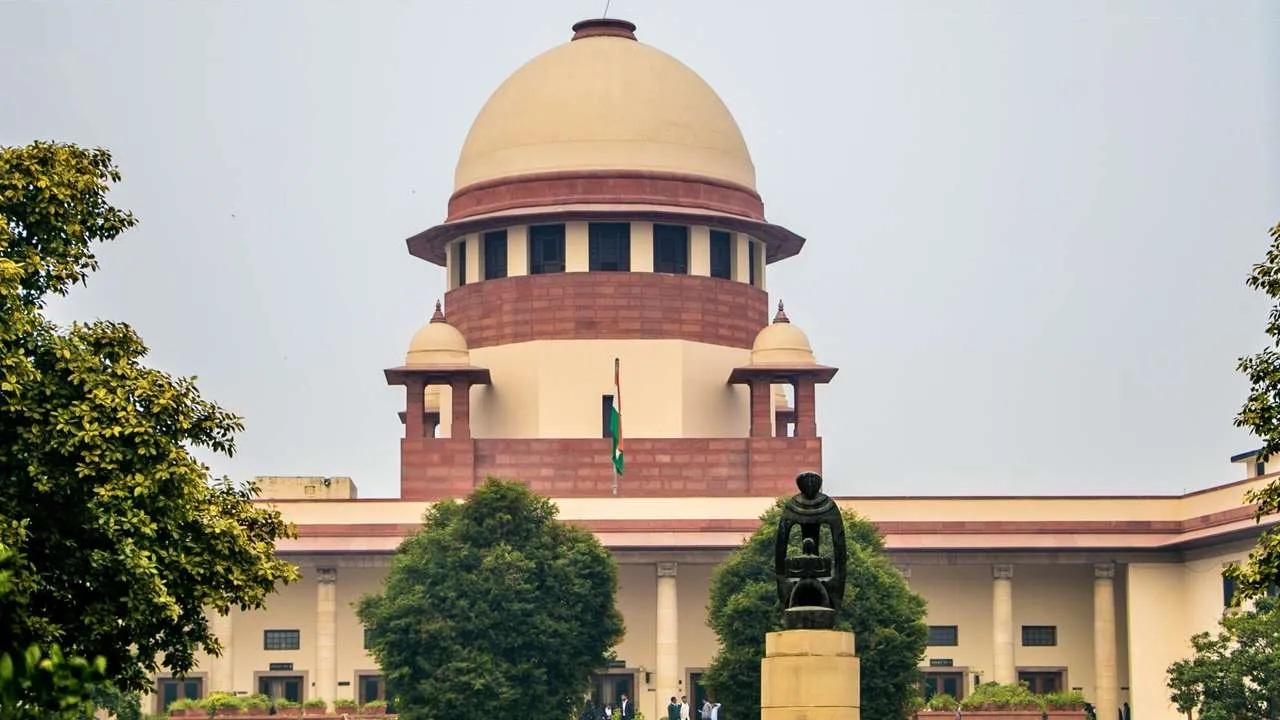
Supreme Court

Synopsis: Union Home Secretary Govind Mohan and Delhi Police Commissioner Anurag Kumar tendered unconditional apologies to the Supreme Court over alleged non-compliance with orders concerning the October 10 protests. While defending the restrictions on Metro, train and internet services and detentions as necessary security measures, Kumar claimed that the detainees were not mistreated.
The Union Home Secretary and the Delhi Police Commissioner have tendered unconditional and unqualified apologies to the Supreme Court in response to contempt notices over alleged violations of the court’s order restricting curbs on train and metro services during the Cockroach Janta Party’s (CJP) protests against Chief Election Commissioner (CEC) Gyanesh Kumar.
In separate affidavits submitted to the apex court on Thursday, October 15, Home Secretary Govind Mohan and Delhi Police Commissioner Anurag Kumar defended the curbs on Metro, train and internet services during the October 10 protests.
Mohan told the court that the restrictions were imposed at the Delhi Police’s request and were “proportionate” to the situation.
“The request was duly processed and considered in accordance with law and was found to be a proportionate measure, having regard to the magnitude of the situation and the need to prevent any disturbance of public order in the national capital,” Mohan said in the affidavit.
On the suspension of internet services, Mohan said that it applied only to cellular internet services and did not cover non-cellular internet services or telecommunication services. He stated that it was a “recognised” measure to maintain law and order.
“I state and submit that the suspension of internet services for a limited period and within a defined geographical area, subject to the applicable statutory safeguards, is a recognised measure that may be considered for maintaining public order in appropriate circumstances,” he said.
The Home Secretary also requested the top court to modify its October 11 order to permit the suspension of internet services “in situations of necessity.”
“I therefore respectfully pray that this court may be pleased to modify its order dated October 11 to the extent necessary to permit the suspension of internet services in situations of necessity, strictly in accordance with law and subject to the applicable statutory requirements and safeguards,” the affidavit said.
Also Read: Interview | ECI’s SIR ‘whodunnit’: Anjali Bharadwaj on collapse of accountability under BJP
In the affidavit filed before the top court, Delhi Police Commissioner Anurag Kumar defended the restrictions imposed on transport and internet services and the alleged illegal detention of people during the protests. Kumar described the CJP as an organisation with a “recent history of mob violence.”
“No police administration can permit any breach of public order in the national capital, particularly when a call is given by an organisation with a recent history of mob violence, and incidents resulting in injuries to several individuals and the subsequent events of Oct 6, 7,8,” the affidavit claimed.
Alleging that the gatherings were “aggressive,” Kumar claimed that some people “under the cover” of freelance journalism physically harassed policemen.
“The gatherings were very aggressive, fuelled by persons adoring cover of ‘freelance journalism’, who were physically harassing policemen; some miscreants were misbehaving with lady police personnel, resulting in injuries to over a dozen police personnel,” the affidavit claimed.
Kumar also claimed that the people detained during the protests were let go after a few hours and served “hot meals” while in custody. He also claimed that political leaders who were detained during the INDIA bloc protests were treated with “dignity.”
“All those detained for attempting to protest in violation of prohibitory orders were released after a few hours and were kept in makeshift centres, not police lock-ups. Police provided them with hot, fresh and good meals and were permitted to leave after the requirement of detention ceased to exist,” Kumar claimed.
“The political leaders removed from illegal protest were requested to sit in the chambers of SHOs and were provided with tea, coffee, meals and other refreshments while fully maintaining the dignity of the office they held or holding,” he claimed.
Notably, the Delhi Police has been accused of “brutally” assaulting the protesters and illegally detaining over 7000 people, including journalists. Female protesters and journalists have accused senior police officials of sexual harassment during the protests. A plea on this matter is pending in the top court.
The police also used force and allegedly assaulted parliamentarians, including CPI(M) Rajya Sabha MP John Brittas, who had to be hospitalised after he was dumped on the road following his detention by the police.
The affidavits were filed in response to the contempt notices issued by the SC on October 11. The notices were issued by a two-judge bench of the top court, comprising Justices Joymalya Bagchi and V. Mohan, during an urgent hearing of a contempt petition filed by advocate Shailendra Mani Tripathi.
(Compiled by Fayisa CA)



