

Published Oct 27, 2026 | 12:05 AM ⚊ Updated Oct 27, 2026 | 12:05 AM

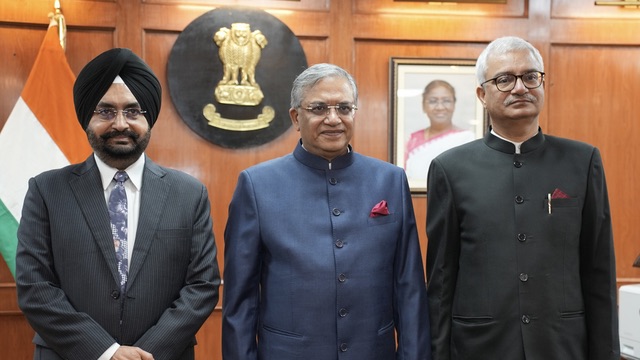
Chief Election Commissioner Gyanesh Kumar flanked by Election Commissioners Sukhbir Singh Sandhu (L) and Vivek Joshi.

Synopsis: The ECI submitted its counter-affidavit to the Supreme Court in response to a writ petition challenging the functioning of Chief Election Commissioner (CEC) Gyanesh Kumar and the legality of certain Commission decisions. It refuted charges that the CEC unilaterally took decisions on SIR, ignoring the objections raised by the other two commissioners, Sukhbir Singh Sandhu and Vivek Joshi.
The Election Commission of India (ECI) has said that it unanimously took all decisions on the Special Intensive Revision (SIR) of electoral rolls.
The ECI made the submission in its counter-affidavit filed before the Supreme Court, in response to a writ petition challenging the functioning of Chief Election Commissioner (CEC) Gyanesh Kumar and the legality of certain decisions of the Commission. It refuted charges that the CEC unilaterally took decisions on SIR, ignoring the objections raised by the other two commissioners, Sukhbir Singh Sandhu and Vivek Joshi.
Rakesh Kumar filed the writ petition against the backdrop of a report in The Indian Express alleging that Kumar unilaterally took 14 decisions in 10 months, overlooking Sandhu and Joshi’s objections.
Also Read: SC didn’t approve modified Form 6: CJI discredits Election Commission’s claim
In the counter-affidavit, Deputy Election Commissioner Bhanu Prakash Yeturu said all three SIR-related orders, dated 24 June 2025, 27 October 2025 and 14 May 2026, were unanimous decisions.
The ECI argued that the petition was not maintainable since the petitioner had relied only on a newspaper report and did not verify the claims with the defendants. It further submitted that it had not released or authorised the release of any internal note to the media. The Commission further said that notes, queries, suggestions or observations made by the CEC or the two commissioners do not constitute its decisions.
The counter-affidavit clarified that the files usually move between the commissioners before reaching the CEC. It also noted that Section 18 of the Chief Election Commissioner and Other Election Commissioners (Appointment, Conditions of Service and Term of Office) Act, 2023, requires the ECI to decide unanimously or, if not, by majority.
The ECI further refuted the allegation that it had amended Form 6, saying only the central government could amend the form under the Registration of Electors Rules, 1960. However, it acknowledged that the online display of the declaration on the application platform might have given the impression that the form had been amended.
The Bench of Chief Justice Surya Kant will further hear the case on Tuesday, 27 October.
(Edited by Majnu Babu).



