

Published May 07, 2026 | 7:48 PM ⚊ Updated May 07, 2026 | 7:48 PM

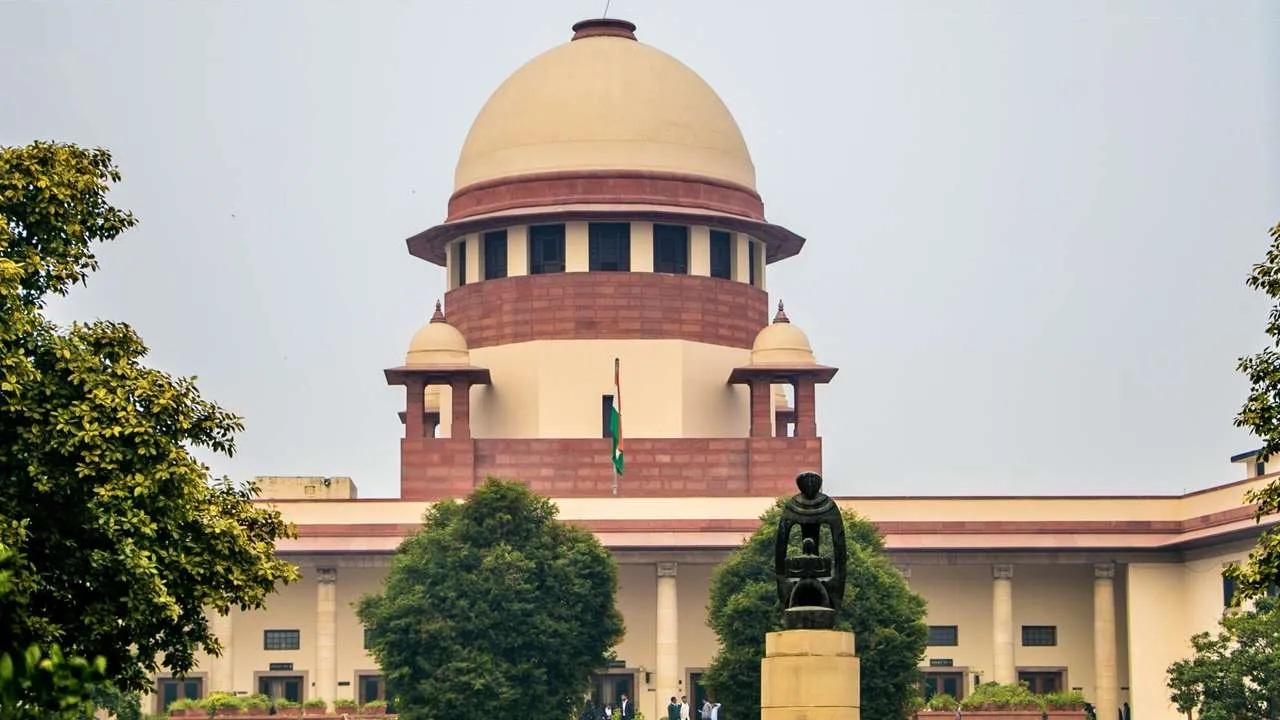
Supreme Court

Synopsis: The Supreme Court on Thursday continued hearing petitions challenging the practice of Female Genital Mutilation in the Dawoodi Bohra community, with Justice Ahsanuddin Amanullah describing it as an “aberration to the human”.
Supreme Court Justice Ahsanuddin Amanullah on Thursday described the practice of Female Genital Mutilation as an “aberration to the human” anatomy as the apex court, hearing petitions challenging the practice in the Dawoodi Bohra community and concerning women’s rights at religious places, continued proceedings before a Bench led by Chief Justice Surya Kant.
Senior advocate Yusuf Muchhala Pasha, appearing in the matter, said the procedure was symbolic in nature, or “hoodectomy”, and compared it to male circumcision.
He submitted that there were no worldly or temporal consequences for those who did not follow the practice and said it was not grounds for excommunication within the community.
Justice Amanullah, however, strongly objected to the comparison with circumcision and observed that circumcision was not mandatory in Islam.
He asked the counsel not to use the analogy loosely and stressed the need for factual accuracy in submissions before the court.
Also Read: ‘That PIL should have been thrown in the dustbin,’ SC on Sabarimala case; hearing to continue
Justice Joymalya Bagchi also intervened and said there was a clear distinction between circumcision and genital mutilation from a public health perspective.
Justice Bagchi sought clarification on whether a father refusing to subject his minor daughter to the practice would face consequences within the community.
The counsel replied that there were no temporal punishments or disciplinary consequences for non-adherence.
Referring to religious obligations, he said even failure to offer prayers does not automatically invite worldly punishment.
Chief Justice Surya Kant pointed out that legal consequences could still arise under existing laws and previous Supreme Court rulings.
Also Read: Courts can intervene in witchcraft cases: Supreme Court in Sabarimala row
The Bench also heard submissions from senior advocate Sidharth Luthra, who raised concerns about access to justice for minors and vulnerable persons who may be unable to approach courts because of fear of social consequences.
During the proceedings, Justice Nagarathna said India remains a civilisation despite its vast diversity and pluralism.
She said one of the enduring features of Indian society was the close relationship between people and religion, adding that courts must carefully balance reform with long-standing social and cultural traditions.
She further observed that the court was grappling with difficult questions on whether religious practices should be reformed internally within denominations, through state intervention, or through judicial decisions.
The judge said any ruling delivered by the Supreme Court in the matter would have wider implications for India’s social and civilisational framework.
(Edited by Dese Gowda with inputs from Sreelakshmi Soman)



