

Published May 07, 2026 | 5:12 PM ⚊ Updated May 07, 2026 | 5:12 PM

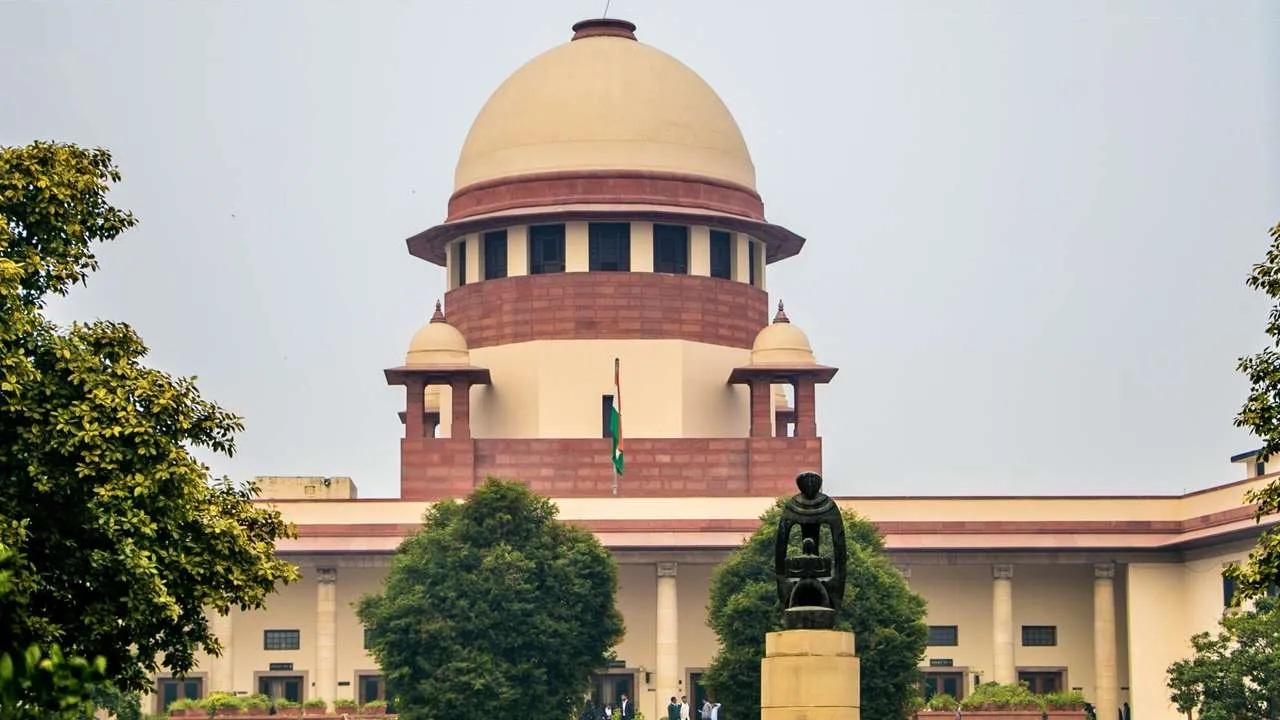
Supreme Court

Synopsis: A nine-judge Constitution Bench of the Supreme Court is continuing the hearing on the entry of women to the Sree Dharmasastha Temple at Sabarimala. The court strongly questioned the basis of the 2006 PIL filed by the Indian Young Lawyers Association, asking why a lawyer’s body had taken up the issue.
A nine-judge Constitution Bench of the Supreme Court, led by Chief Justice of India Surya Kant, is continuing the hearing on the review of a 2018 judgement allowing the entry of women of childbearing age to the Sree Dharmasastha Temple at Sabarimala in Kerala’s Pathanamthitta district.
During the hearing on Wednesday, 6 May, the court strongly questioned the basis of the 2006 PIL filed by the Indian Young Lawyers Association challenging the ban on entry of women of menstruating age into the Sabarimala Temple.
The bench observed that the petition ought not to have been entertained at all and criticised the reliance on newspaper reports and unverified material, with the CJI remarking that such documents should have been thrown in the dustbin.
Justice BV Nagarathna also warned about the misuse of public interest litigation, saying PILs were increasingly turning into private, publicity, paisa and political interest litigation.
The bench further questioned the locus and intent of the petitioners, asking why a lawyer’s body had taken up the issue.
Besides the Chief Justice and Justice Nagarathna, the Bench also includes justices MM Sundresh, Ahsanuddin Amanullah, Aravind Kumar, Augustine George Masih, Prasanna B Varale, R Mahadevan and Joymalya Bagchi.
Also Read: Temple entry restrictions rooted in faith, not gender bias
Senior advocate RP Gupta, appearing for the original petitioners, argued that denial of entry into places of worship could violate fundamental rights under Articles 25 and 26 of the Constitution.
However, the judges expressed reservations about allowing people without faith in a deity to claim unrestricted entry into religious spaces. Justice Nagarathna remarked that those who do not follow the customs and norms of a temple cannot automatically claim such rights.
The original 2018 judgment, delivered by a five-judge Bench in a 4:1 verdict, had struck down the ban on women aged 10 to 50 entering Sabarimala, holding that devotion cannot be subjected to gender-based exclusion.
In 2019, a review Bench referred broader questions on women’s entry into places of worship across religions to a larger Bench, including issues related to mosques, dargahs and Parsi fire temples.
Currently, 67 petitions are before the court.
Senior advocate K Parameswaran has been appointed amicus curiae. Krishan Kumar Singh is the nodal counsel for the review petitioners. Advocate Shivam Singh will assist the amicus curiae.
Senior advocate V Giri will represent temple tantri (priest) Kandararu Rajeevaru. Senior advocate Abhishek Manu Singhvi will appear for the Travancore Devaswom Board.
On the other side, senior advocates Indira Jaising, Menaka Guruswamy, Shahdan Farasat, Vijay Hansaria, K Radhakrishnan and Sanjay Hegde are expected to defend the 2018 verdict.
The Kerala government, which had supported the 2018 judgment, has now taken a U-turn and is opposing the entry of women into the temple.
(With inputs from Sreelakshmi Soman.)



