

Published Jun 26, 2026 | 6:20 PM ⚊ Updated Jun 26, 2026 | 6:20 PM

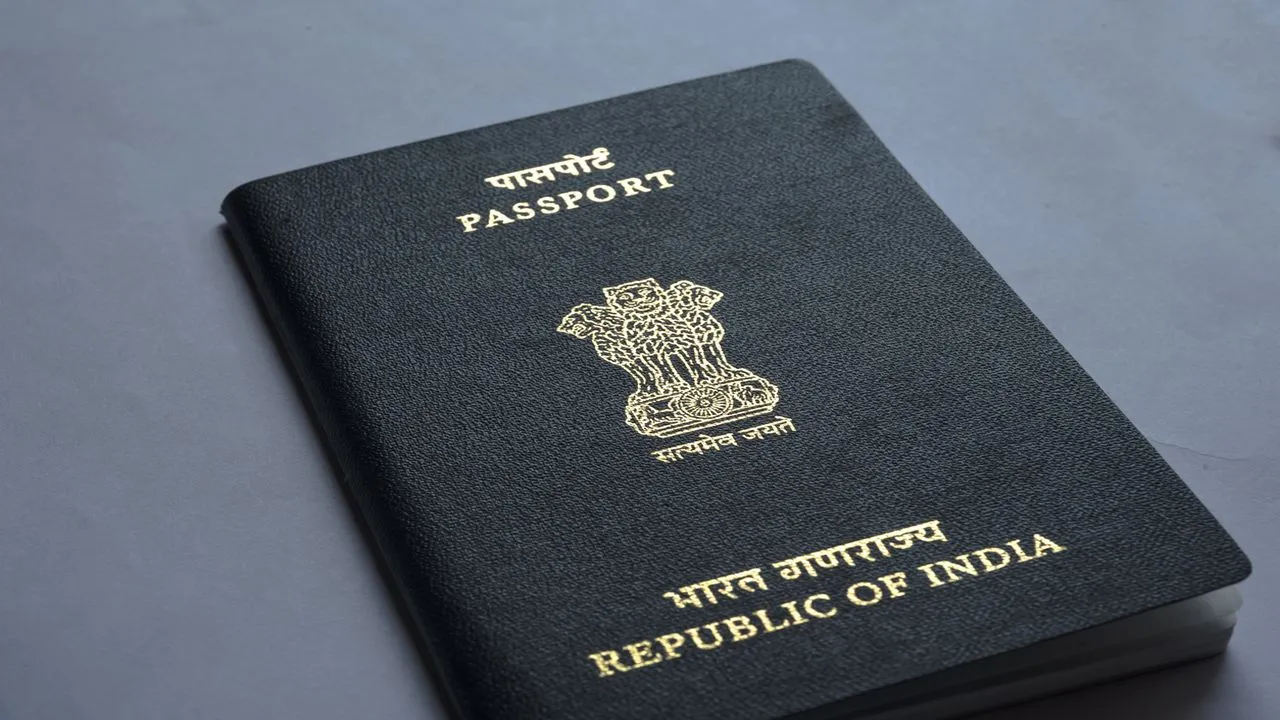
Indian passport.

Synopsis: Government records from 2010 show that Indian diplomatic missions abroad accepted copies of Indian passports as proof of citizenship for applications under the Right to Information (RTI) Act, contradicting the Centre’s recent claim that a passport has never been treated as evidence of citizenship.
Ministry of External Affairs records from 2010 show that Indian diplomatic missions abroad accepted an Indian passport as documentary proof of Indian citizenship for applications filed under the Right to Information (RTI) Act, 2005, contradicting the Centre’s recent assertion that a passport has never been treated as proof of citizenship.
The documents, obtained through the RTI Act by transparency activist Commodore Lokesh Batra (Retd.) and shared on X by Nitin Sethi, Founding Editor of The Reporters’ Collective, include an official communication sent by the Indian Embassy in Washington DC to the Ministry of External Affairs (MEA) on 9 June 2010.
The communication, forwarded by Rahul Chhabra of the Embassy’s Press and Information Wing to the MEA’s Joint Secretary handling RTI matters, outlined the Embassy’s existing practice for processing RTI applications from Indians residing abroad.
“Indian Missions abroad are currently accepting applications under the RTI Act only from Indian Citizens abroad. An applicant is required to provide documentary proof of Indian citizenship – like copy of personal particulars pages of the Indian passport,” the document reads.
Whoopie: When Indian government accepted a passport as proof of Indian citizenship, not just the right to travel from India. Documents through RTI by transparency activist @CommodoreBatra pic.twitter.com/TwExYS6OVZ
— Nitin Sethi (@nit_set) June 26, 2026
The communication surfaced days after the Ministry of External Affairs issued an extraordinary clarification stating that an Indian passport is a travel document and not, by itself, proof of Indian citizenship.
On Thursday, 25 June, the Union government doubled down, maintaining that no change had been made by the Narendra Modi government since 2014.
The Centre said its position flowed from the provisions of the Passport Act, 1967, under which passports may, in certain circumstances, also be issued to non-citizens.
The clarification has, however, triggered criticism from Opposition leaders, public figures and commentators, who questioned how citizens were expected to establish their nationality if even a passport, issued by the Government of India after police verification and other checks, was not regarded as proof of citizenship, particularly after the Centre had consistently maintained that documents such as Aadhaar, voter identity cards and PAN cards were likewise not proof of citizenship.



