

Published Jul 31, 2026 | 10:26 AM ⚊ Updated Jul 31, 2026 | 10:26 AM

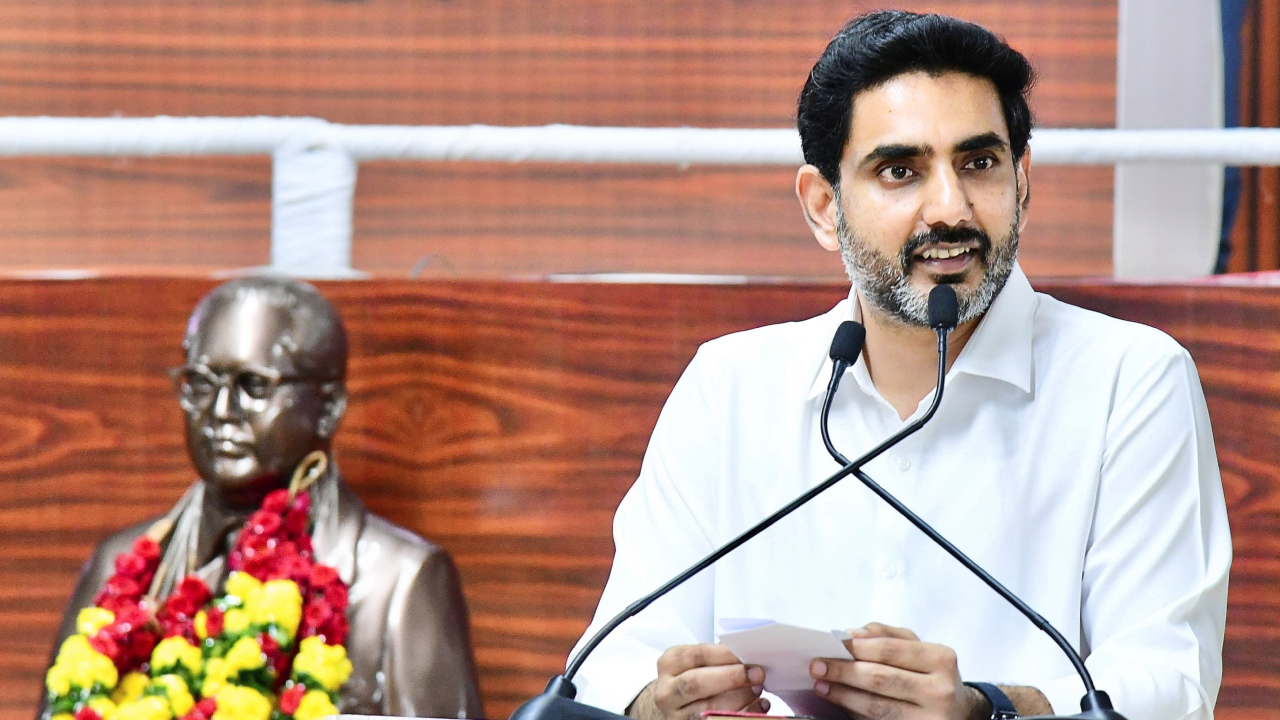
The loss of an over Rs 6000-crore project raises questions for Lokesh and his team. (Photo | Special Arrangement)

Synopsis: The relocation of Tata Power’s proposed ₹6,675-crore ingot-and-wafer manufacturing project to Odisha raises important questions for Nara Lokesh and his team. While Andhra Pradesh has many natural advantages, it needs to undertake a benchmarking exercise that can help it avoid such misses in the future.
Amid intense efforts to secure fresh investments in Andhra Pradesh, the State recently suffered a major setback when Tata Power, a constituent of India’s largest conglomerate, decided to relocate its Ingot plant to Odisha.
Just days after, the state witnessed the groundbreaking ceremony for another Tata Group project.
On July 30, the foundation for an 800 MW renewable energy project of Tata Power Renewable Energy Ltd in Kurnool district was laid in the presence of IT Minister Nara Lokesh. The project comprises a 400 MW wind energy unit in Anantapur and another 400 MW solar power capacity in Kurnool, with an estimated potential to generate direct/indirect employment for 4,000 persons.
However, this moment had been preceded by a setback in the form of Tata Power relocating its proposed ₹6,675-crore, 10 GW ingot-and-wafer manufacturing project to Gopalpur in Odisha.
The project was originally proposed in Nellore district of Andhra Pradesh and the State Government even issued orders in January 2026 providing various incentives, including investment subsidy and reimbursement of power tariff at the rate of Rs 1.5 per unit for a period of 10 years.
The project was cleared by the State Investment Promotion Board, and 200 acres at IFFCO Kisan Special Economic Zone in Nellore were earmarked, with 120 acres for the initial phase and 80 acres for expansion. The project was expected to create around 1,000 direct jobs, apart from substantial indirect employment.
Why has Tata Power now preferred Odisha over Andhra Pradesh? Readily available land already acquired by Tatas in Gopalpur was cited as the main reason.
“Tata Power already has land in Gopalpur SEZ. So, they preferred to execute the project on their own land rather than acquire land afresh in Andhra Pradesh,” an official of AP government said on condition of anonymity.
But this is just one factor. Tata Power CEO and MD Praveer Sinha said availability of land apart, the type of incentives offered—lower cost of power and other benefits—have also prompted the company to consider Odisha.
The question, therefore, is whether this is merely the loss of one investment proposal or does it raise more fundamental questions on why Andhra has failed to retain an investment that was announced.
Odisha appears to have offered a combination of:
• substantial capital investment support;
• lower power costs/power tariff support;
• long-term electricity-duty benefits;
• ready-to-use land;
• existing Tata land at Gopalpur;
• faster project execution and infrastructure support.
Reports indicate that Odisha’s package includes a 30% capital investment subsidy, ₹2 per unit power tariff subsidy (as against Rs 1.5 per unit offered by AP), and 100% electricity-duty waiver for 20 years, besides other support.
This underlines an important reality of modern industrial competition. While MoUs are often signed at investment summits, companies finally compare the total cost of doing business—incentive package, availability of land, power, infrastructure and the speed at which a project can actually become operational.
Andhra Pradesh has several natural advantages—ports, coastline, renewable-energy potential, industrial corridors, logistics connectivity and a large workforce. If another State can provide ready land, competitive power, fiscal incentives and time-bound approvals, AP can lose projects despite having an excellent location.
Therefore, the episode raises questions for Lokesh and his team. What was the full package offered to Tata Power by Andhra Pradesh, and what did Odisha come up with as an alternative?
Apart from looking into whether the land offered by AP was genuinely ready-to-build, experts say the government should also do a benchmarking exercise evaluating capital subsidy, electricity tariff and duty, cost of land, stamp duty and registration, besides employment incentives and approval timelines.
Unless this exercise is done, the State risks losing more projects for which announcements were already made, but execution is yet to begin.
Also Read | Finally, take-off time: The story behind the Bhogapuram International Airport
(Edited by R Rajesh Kumar.)



